Every year on 1 March, the African Union marks the African Day of School Feeding (ADSF), a moment to celebrate and reinforce the transformative role of school meals across the continent.
In this article, we highlight the diversity of school meal practices implemented by MUFPP’s cities in Africa, drawing on practices from the latest Milan Pact Awards (October 2025). Featured initiatives include practices from cities in the AfriFOODlinks project, from Champion Mayors of the Cities Feeding the Future Initiative, and other outstanding practices recognised through the Milan Pact Awards.
Since 2016, the African Day of School Feeding has provided a platform for governments, civil society, private sector, academia, and development partners to promote home-grown school feeding, strengthen local food systems, support smallholder farmers, and improve livelihoods. This year’s celebration focuses on how school meals contribute not only to nutrition, but also to hygiene, health, and educational outcomes for children and their communities.
With over 20 million more children benefiting from school meals in just the last two years, governments across Africa are working to secure sustainable financing, improve infrastructure, and integrate education, health, nutrition, agriculture, and water policies. Today, 44 African countries are part of the School Meals Coalition, and more than 60 governments have made national commitments, making school feeding a key contributor to the African Union’s Agenda 2063.
On this African Day of School Feeding, the Milan Urban Food Policy Pact celebrates the dedication of cities across the continent and reaffirms its commitment to supporting cities as leaders driving the transition towards more sustainable urban food systems and to ensuring that every child receives a nutritious meal by 2030.
Champion Mayors: leading the way
Champion Mayors are city leaders from MUFPP cities in countries that are members of the School Meals Coalition, acting as pioneers of school meal programmes and political ambassadors of the Cities Feeding the Future Initiative.
Led by the MUFPP, the Cities Feeding the Future Initiative supports cities in implementing effective school meal programmes while strengthening connections between local and national governments. One of its three main areas of action is Advocacy: identifying Champion Mayors and organizing national policy dialogues, events and technical exchanges to promote political commitment and highlight best practices worldwide.
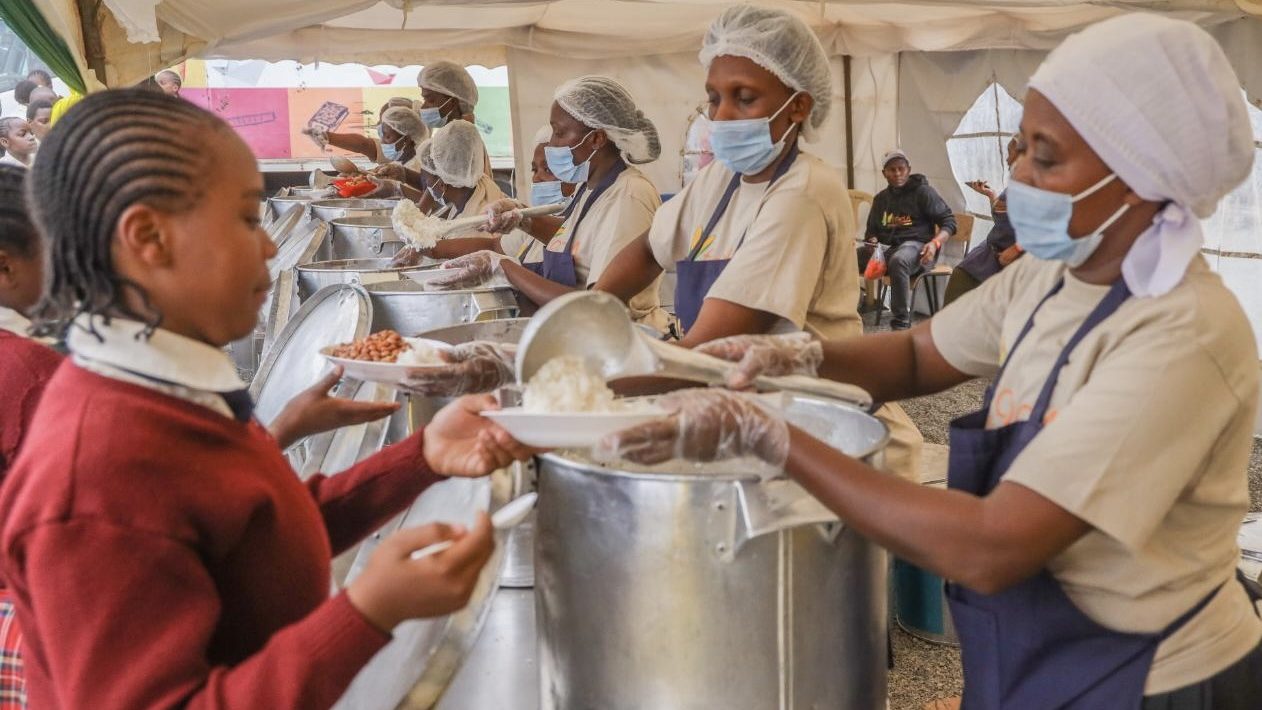
The first cohort of Champion Mayors was launched at the First Global Summit of the School Meals Coalition in Paris in October 2023. Among them is Governor Johnson Sakaja of Nairobi (Kenya), recognized for Nairobi’s government-led School Feeding Programme. Through a hub-and-spoke kitchen model, the city provides standardized and nutritious meals to public schools. The innovative “Tap2Eat” system, including smart wristbands for students, enables real-time monitoring of meals, improves planning and transparency, and allows parents to digitally contribute to school meal payments. The impact is significant: 318,751 children reached daily across more than 230 public schools; +34% school enrolment; over 2,000 jobs created.
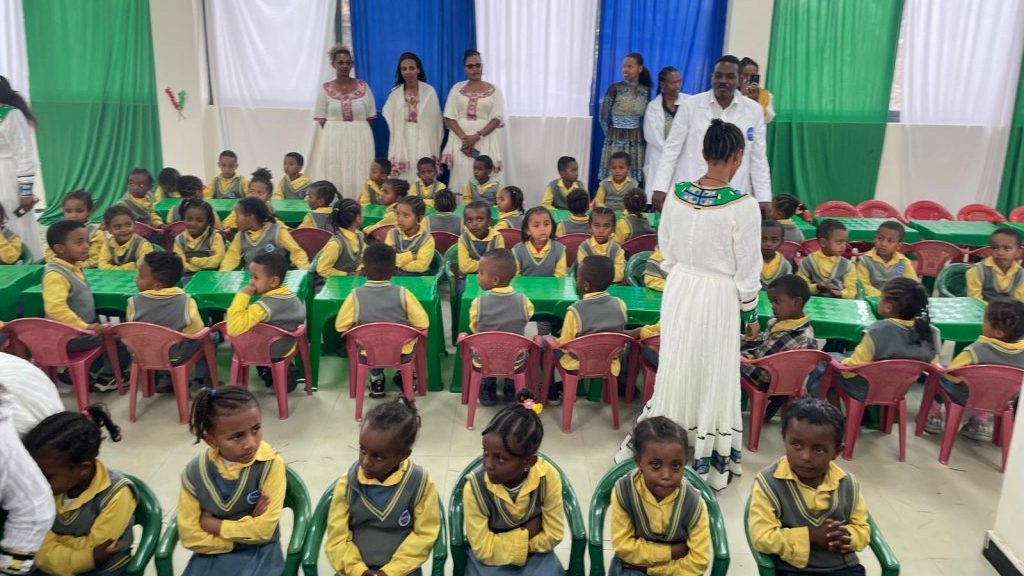
Also part of the first cohort is Mayor Adanech Abebe of Addis Ababa (Ethiopia), whose school feeding programme reaches 801,000 children across 255 public primary schools, providing both breakfast and lunch. The programme has generated 16,000 new jobs, prioritising women’s empowerment, and 171 schools have introduced school-based horticulture. Mayor Adanech Abebe previously received an award at the Milan Pact Awards 2022 for this impactful practice.
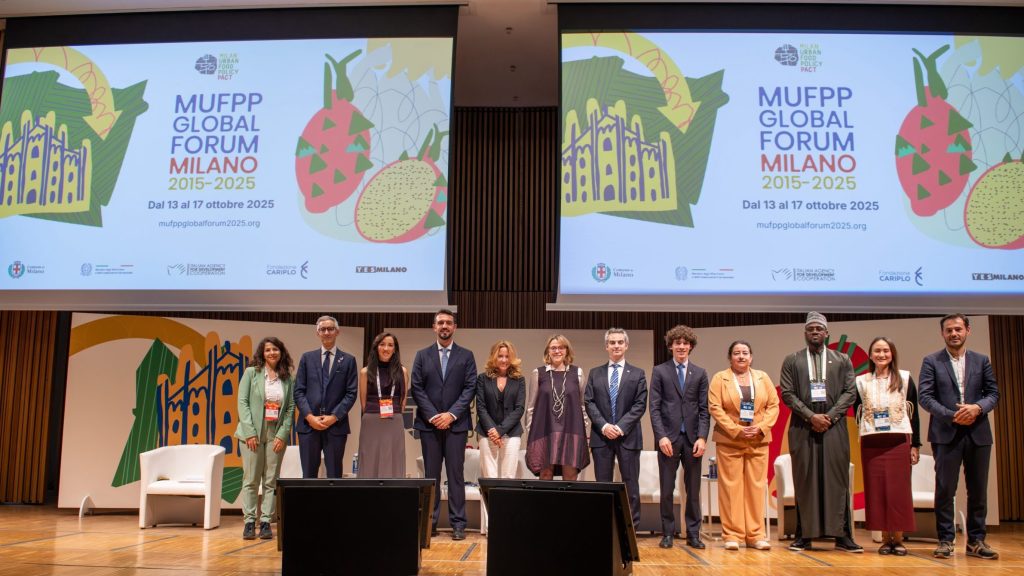
In October 2024, Addis Ababa hosted the 6th MUFPP Regional Forum in Africa on School Meals Programmes for Healthier and Sustainable African Cities, bringing together 50 participants from 14 African cities.
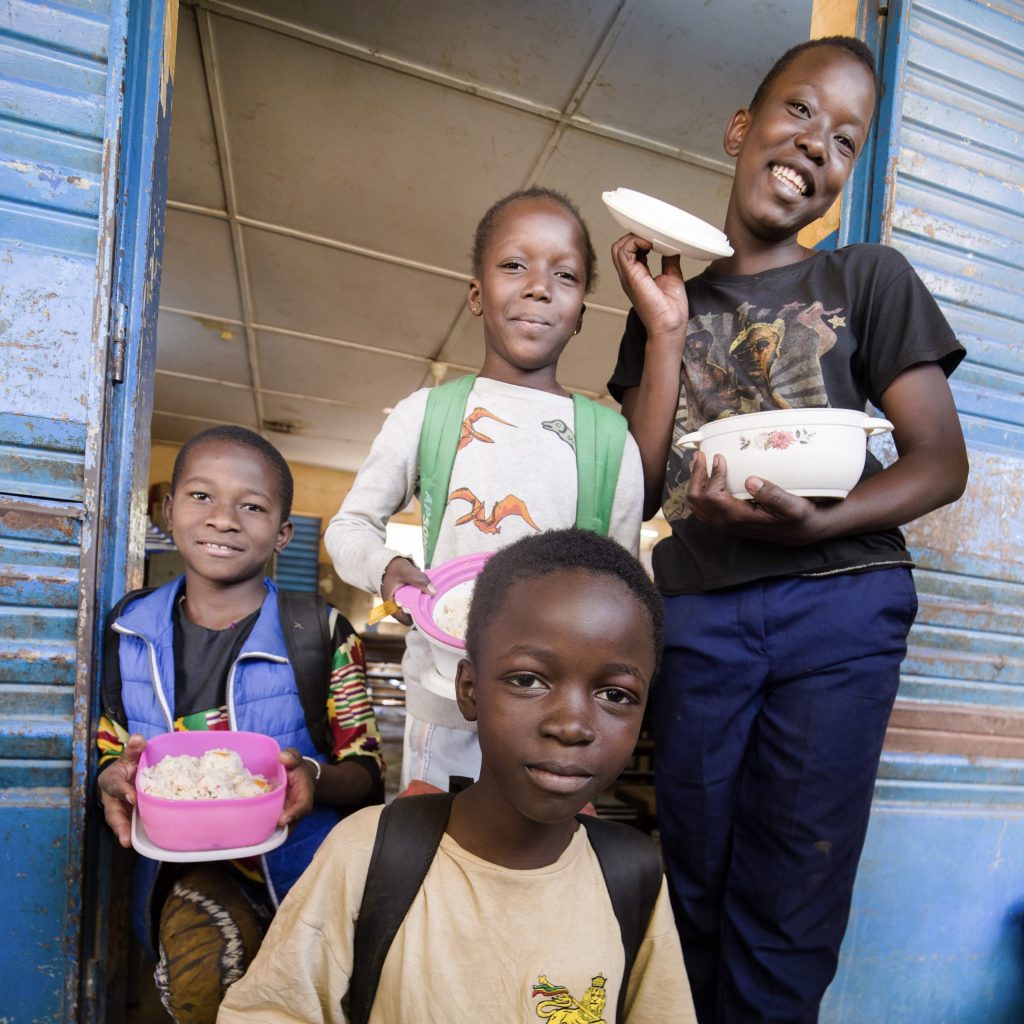
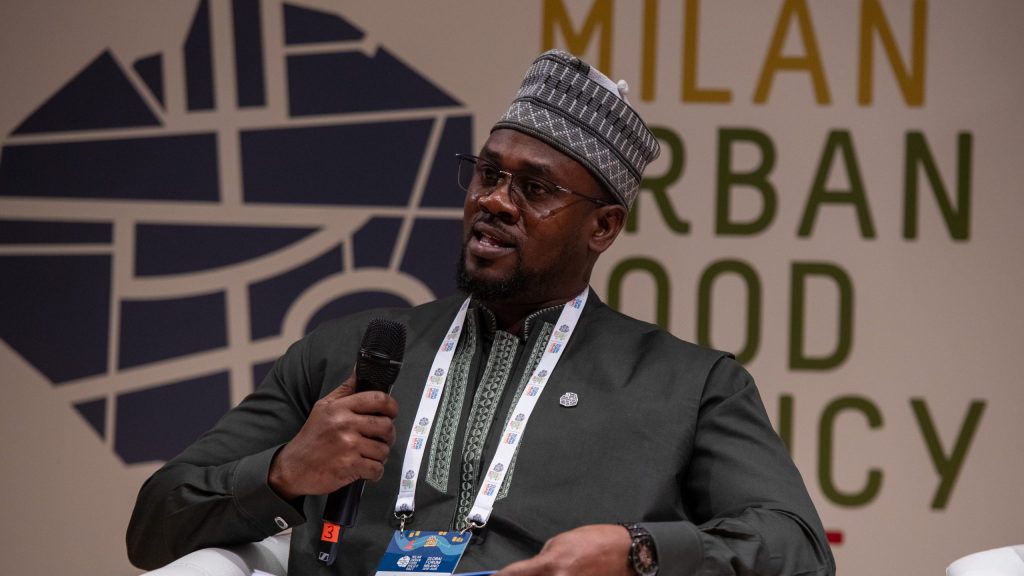
More recently, Rufisque (Senegal) joined the second cohort of Champion Mayors. President of the Departmental Council of Rufisque, Papa Mamadou Fam, committed to placing school meals and sustainable food systems at the heart of the city’s political agenda. In a national context where only 13% of schools are equipped with canteens, Rufisque has developed a model with four central kitchens serving 18 schools and delivering 5,500 hot meals per day. The model supports local producers, and operates through shared economic governance involving local authorities, families, and businesses, demonstrating a pathway to sustainability.
As a Champion Mayor, President Papa Mamadou Fam has committed to expanding the model by establishing additional central kitchens, strengthening dialogue with stakeholders, and supporting producers throughtraining in agroecological practices to supply healthy and sustainable food to schools.
AfriFOODlinks: Small Interventions, Big Impact
Let us now explore two African cities — Dakar, Ouagadougou — that are part of AfriFOODlinks, a Horizon Europe project led by ICLEI Africa and a consortium of 26 partners including MUFPP, supporting the transformation of urban food systems across 15 African and 5 European cities. Within the project, school meal initiatives represent a strategic entry point, demonstrating how small, scalable interventions can generate meaningful and lasting impact for communities.
In Dakar, the city piloted a school feeding programme at a girls’ high school managed by the City Council, reaching 2,000 students with fruit– and vegetable-based food kits and distributing 3,000 meals during the trial phase. The initiative aims to improve the nutritional quality of young people’s diets through affordable fruit and vegetable supplements, while supporting small-scale producers and raising awareness about local, high-quality food.
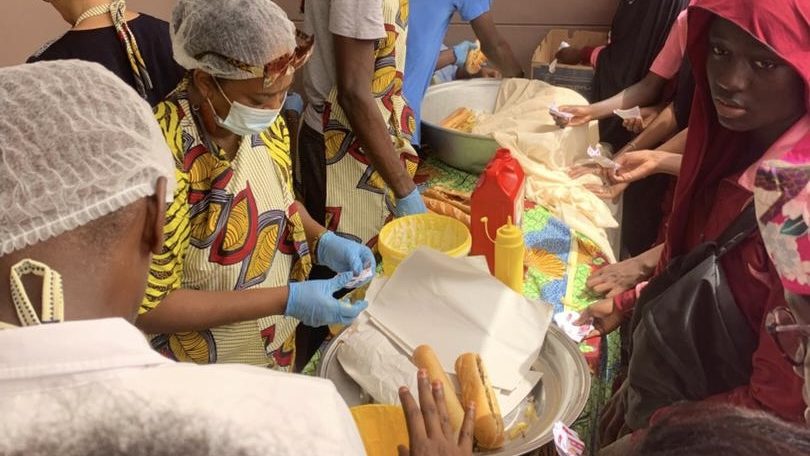
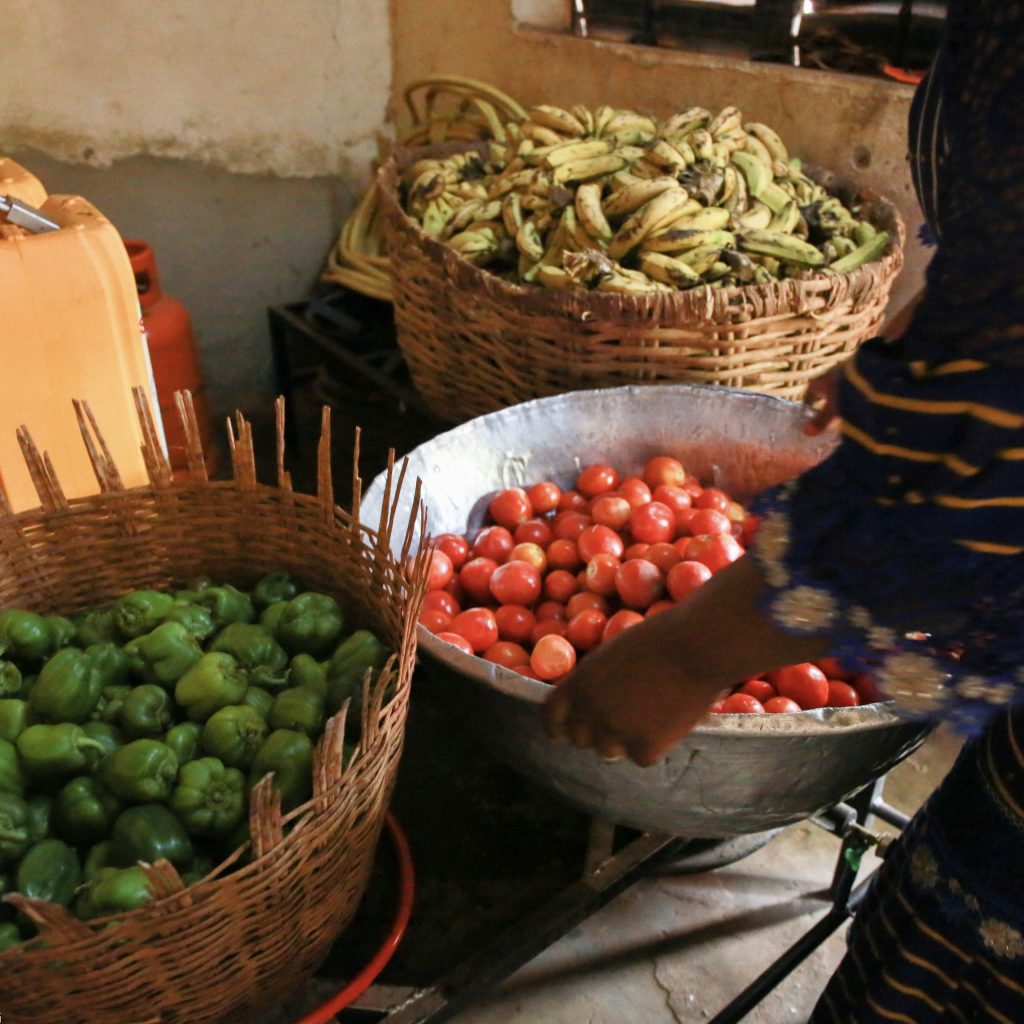
In Ouagadougou, a pilot school canteen system was developed as part of the “Nourrir la Ville” project, co-financed by the Italian Agency for Development Cooperation – AICS, and now reaches twelve schools, delivering daily meals to 5,684 pre-primary and primary school children. Meals are sourced from producers in the city’s green belt, strengthening local agriculture, and shortening supply chains.
The model stands out for its governance innovation: a 34-member multi-stakeholder coordination committee, a digital platform to improve management efficiency, and targeted training on hygiene and food storage for 24 women cooks and 27 additional stakeholders. Beyond improving nutrition, the pilot aims to integrate canteen management into long-term municipal responsibilities.
Community-level food interventions
To conclude our overview of cities and emphasizing the importance of complementing school meals with food education at both school and community level, two cities — Kisumu and Mbeya — offer a compelling example of how nutrition initiatives can drive broader food system transformation.
Kisumu County launched a sustainable diet and nutrition programme to address food insecurity and rising diet-related diseases, combining school-based actions with community interventions. The initiative promotes community gardens, vertical farming in informal settlements and schools, aquaponics demonstration sites, and nutrition education workshops. More than 400 households have adopted vertical farming technology, increasing access to fresh produce while reducing environmental impact. As a result, food insecurity in targeted areas decreased from 25% to 15%, alongside improved nutrition knowledge and healthier dietary practices.
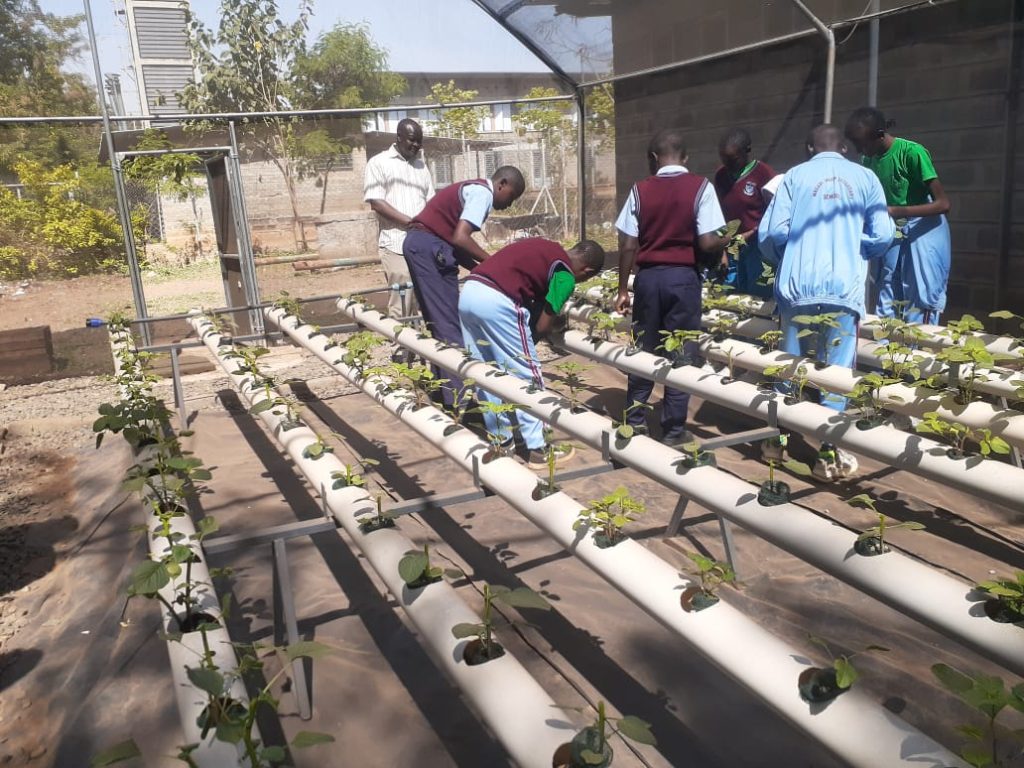
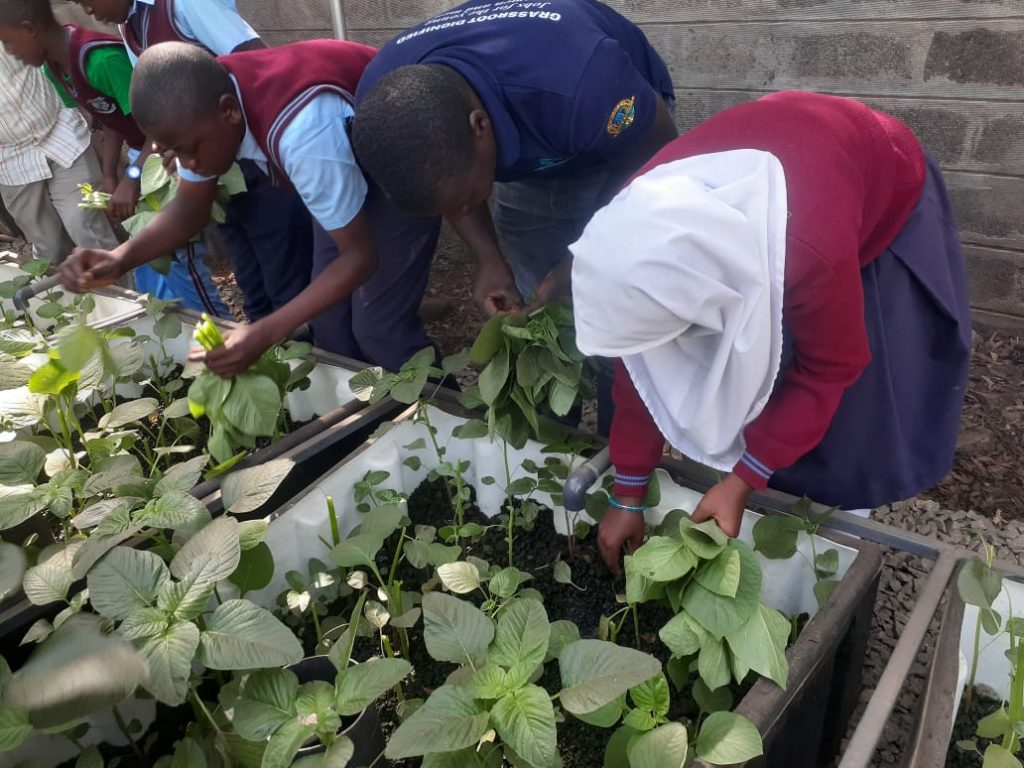
In Mbeya, an inclusive school feeding programme operates across 122 public schools, reaching more than 121,000 children. The programme integrates nutrition education with hands-on activities such as school gardens and nutrition clubs actively involving children, families, and local farmers. It also increases vegetable consumption and stimulates local economy through local sourcing. Positioning children as agents of change, Mbeya helps transform food consumption patterns within communities and promotes lasting behavioral change.

Celebrating the leadership, innovation, and commitment of African cities
From Dakar to Kisumu, these experiences show that school meals are not only about feeding children: they are about building stronger food systems, healthier communities, and more inclusive and resilient cities.
On this African Day of School Feeding, these city experiences remind us of the African Momentum: cities are not just implementing programmes, but innovating, governing, creating jobs, and integrating local agriculture, while addressing food poverty and insecurity, promoting public health, supporting local supply chains, and reducing environmental impact, nourishing children while promoting school attendance and learning.