Celebrating World Food Day 2026 and this year’s theme, “Innovate today. Nourish tomorrow”, we explore how cities are turning innovation into action to build more sustainable, inclusive and resilient urban food systems.
As FAO highlights, innovation goes beyond technology: it also builds on the knowledge, experience and collaboration of different actors to transform agrifood systems. Innovation in agrifood systems takes many forms, including the use of digital technologies, such as artificial intelligence, blockchain, and sophisticated platforms and tools.
Drawing on the Milan Pact Awards 2025 Report, here are four examples of how MUFPP signatory cities are using digital technologies to put innovation into practice: from strengthening food traceability and monitoring to reducing food waste and improving school meal services.
Ghent, Belgium | Using AI to measure and reduce food waste in restaurants
Many restaurants underestimate how much food they waste, while measuring it manually can be time-consuming and costly. To address this challenge, the City of Ghent piloted an innovative solution.
Every six months, four restaurants take part in the project, using smart scales equipped with AI-powered cameras to automatically identify and measure food waste, including kitchen scraps and leftovers from customers’ plates. The data is collected in a personalised dashboard, providing each restaurant with insights into the types, quantities, and costs of wasted food. Participating restaurants use this information to identify opportunities to prevent waste and improve their practices.
The project reduces the effort required to monitor food waste while creating a direct financial incentive for restaurants to act. In addition, the visible presence of the scales also raises awareness among staff and customers, encouraging behavioural change.
Looking ahead, the city is exploring ways to scale up the approach and support its long-term adoption, with potential applications in other settings, such as residential care facilities for older people. It is also investigating how food waste data could be linked to smart meal-planning systems to improve demand forecasting and prevent waste across the food supply chain.
Discover more about Ghent’s practice, “Food Waste Monitors in restaurants” (Food Waste category)
Bangkok Metropolitan Administration, Thailand | Integrating digital technology to ensure safe, nutritious, and transparent school meal services
School meals play a crucial role in promoting child nutrition and ensuring equitable access to healthy food. For children from low-income families, they can be a particularly important source of daily nutrition. In Bangkok, the Thai government funds school lunches nationwide, while the Bangkok Metropolitan Administration (BMA) provides additional funding for lunches and breakfast, ensuring students have access to two meals a day.
Within this framework, the BMA introduced the “Thai School Lunch for BMA” digital system, in partnership with the National Electronics and Computer Technology Center (NECTEC) and the Institute of Nutrition at Mahidol University.
The platform helps schools generate daily menus based on children’s nutritional needs and local food availability, manage ingredients and monitor meal delivery. By uploading meal photos online, schools also promote transparency and enable public oversight, while a linked platform helps suppliers comply with nutrition and food safety standards.
What makes this initiative innovative is its integration of nutrition science, digital technology, and transparent food governance. The system supports consistent meal quality for more than 250,000 children across 437 schools, many from low-income families. By promoting healthier eating habits, it also contributes to the prevention of non-communicable diseases, while local sourcing can help reduce food miles and food waste.
Discover more about BMA’s practice, “Breakfast and Lunch Program for BMA Schools” (Social and Economic Equity category)
Jericho, Palestine | Enhancing the local supply chain through blockchain
Strengthening local food systems and improving food security remain pressing challenges in Palestine, where many cities face difficulties in developing effective local food policies and reinforcing their agri-food sectors.
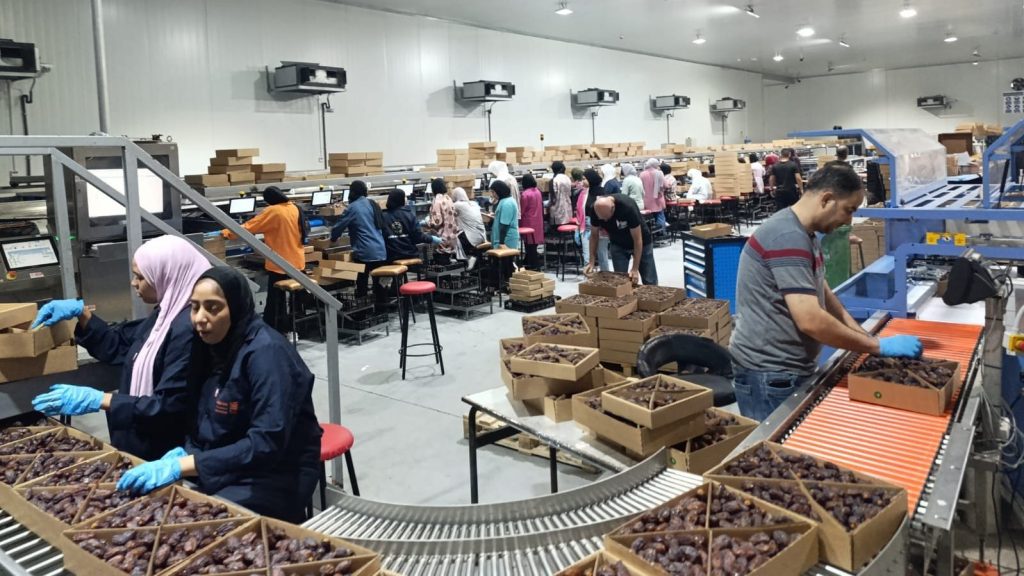
In Jericho, the “Eat Local” (AKLI BALADI+) project (2025–2027) addresses these challenges by strengthening the date supply chain and improving food governance.
The initiative introduces new protocols in two cooperatives and pioneers blockchain-based traceability, using QR codes on packaging to document the journey of dates from producer to consumer.
With the aim of tracing 500 kg of dates by 2027, the project aims to enhance transparency, improve cooperative management and help local producers access wider markets, including international markets.
Discover more about Jericho’s practice, AKLI BALADI+ (Eat Local) (Governance category)
Groningen, the Netherlands | Measuring the impact of the urban food transition
As cities develop increasingly comprehensive food policies, monitoring their impact is essential to understand progress, demonstrate results and guide future action.
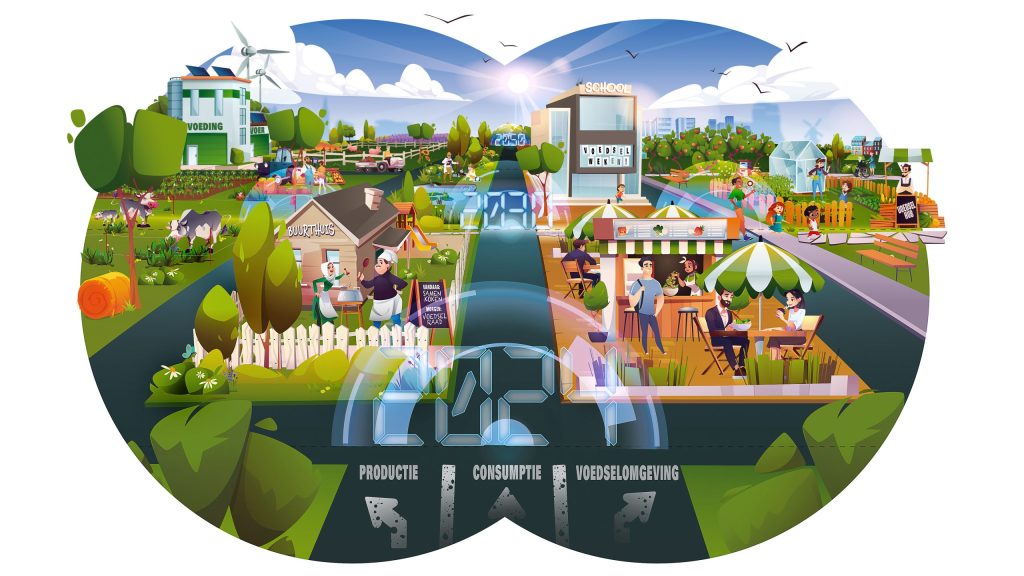
Groningen was one of the first European cities to adopt a food policy (2012), and the city updated it in 2024, with targets for 2030 and 2050. The challenge now lies in bringing together data from different sources to assess the impact of the local food transition.
To address this need, the municipality is developing an integrated monitoring dashboard combining data from public institutions, research bodies and other organisations.
Covering the social, environmental and economic dimensions of food, the platform will help communicate the benefits of the transition, from the impact of food education programmes to reductions in food waste and the use of chemicals in food production.
By making progress measurable and visible, Groningen seeks to raise awareness, strengthen evidence-based policymaking and build support for a healthier, more sustainable local food system.
Discover more about Groningen’s practice, “What gets measures gets managed” (Governance category).
Turning urban food policy innovation into action
The four practices demonstrate how digital innovation can take different forms, depending on the challenges cities face.
In Jericho, blockchain technology strengthens traceability along local food supply chains; in Groningen, digital tools help monitor progress and assess the long-term impact of local food policies. Ghent uses AI-powered technology to measure and reduce food waste in restaurants, while Bangkok integrates digital tools, nutrition science and food safety standards to improve the quality and transparency of school meal services.
Despite their different approaches, these experiences share a common goal: turning innovation into practical solutions that improve urban food systems. They show that innovation is not only about adopting new technologies, but also about transforming data into actionable insights, fostering collaboration and strengthening food governance.
Collaboration is a key element across these initiatives, bringing together public institutions and other stakeholders to address urban food challenges. By combining different forms of expertise and perspectives, cities can develop more integrated approaches and turn technological innovation into meaningful, lasting change.