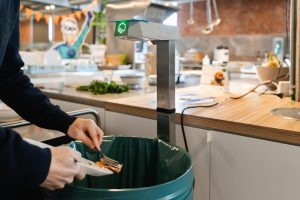
The MUFPP is strengthening its efforts to empower and guide cities across Latin America to tackle food loss and waste, thanks to the new project “Less is More: Scaling up efforts to reduce food loss and waste by promoting circularity at the city level through peer-to-peer learning and enhanced South-South and triangular cooperation“.
The project is a collaboration between Rikolto and FAO’s CISA – Intermediate Cities and Food Systems Network, with the support of the MUFPP. It is a similar initiative to the “Scale up efforts in Food Loss and Waste” programme currently being implemented in the Asia-Pacific region (a MUFPP-FAO project, with the support of Rikolto).
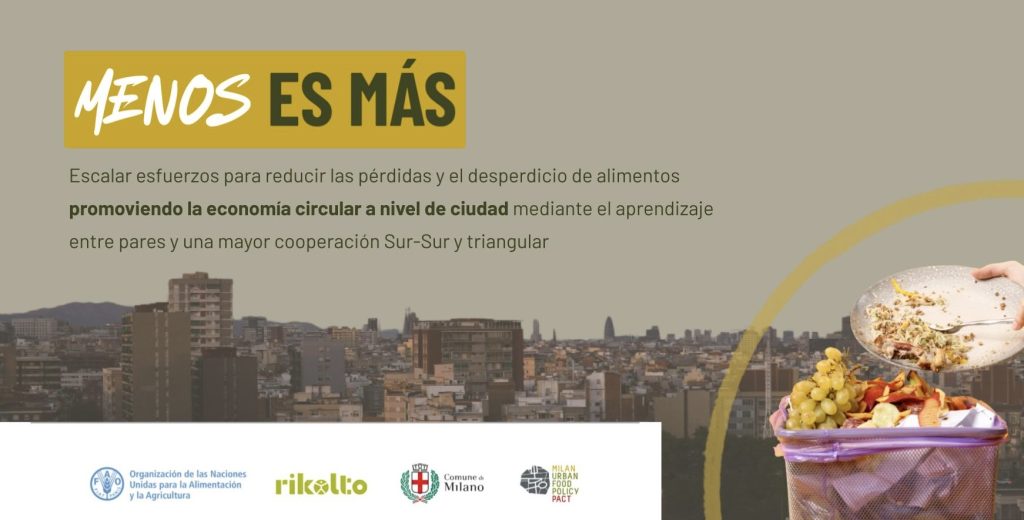
“Less is more” aims to support cities in understanding where and how FLW occurs, identifying effective policy options, and testing concrete circular solutions.
Participating municipalities are organized into three strategic and collaborative roles:
– Target Cities: serve as local diagnostic hubs to collect territorial data and map local challenges.
– Resource Cities: act as mentors, sharing strategic frameworks and proven institutional knowledge during the capacity-building process.
– Participating Cities: join an open virtual platform to access regional innovation networks and share local experiences.
Running from early July through late October 2026, the project will guide cities through a capacity-building journey that starts with aligning food loss and waste action with the Sustainable Development Goals (SDGs) and the MUFPP Framework for Action. It will then move on to practical strategies for prevention, reduction and post-consumer management, before concluding with a focus on urban governance, global financing opportunities, and action-oriented policy tools.
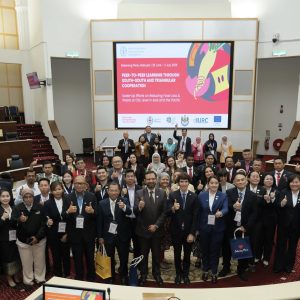
This project includes six online technical training webinars and a key in-person workshop scheduled for late September 2026 in Lima, Peru, designed to provide hands-on capacity building, enabling Target Cities to translate global sustainability commitments into measurable local actions and policies.
The project officially kicked off its training programme on July 9, 2026, with a high-level introductory webinar featuring Cecilia Marocchino (Urban Agrifood Systems Expert, FAO), Charlotte Flechet (Global Programme Director for Good Food for Cities, Rikolto), and Filippo Gavazzeni (Director of the MUFPP Secretariat). Following an introduction to the systemic opportunities for addressing food loss and waste by experts from Rikolto, the MUFPP, and the CISA Network, participants explored real-world case studies highlighting successful circularity solutions and initiatives addressing food insecurity from Mexico City and São Paulo. The session concluded with interactive workshops.