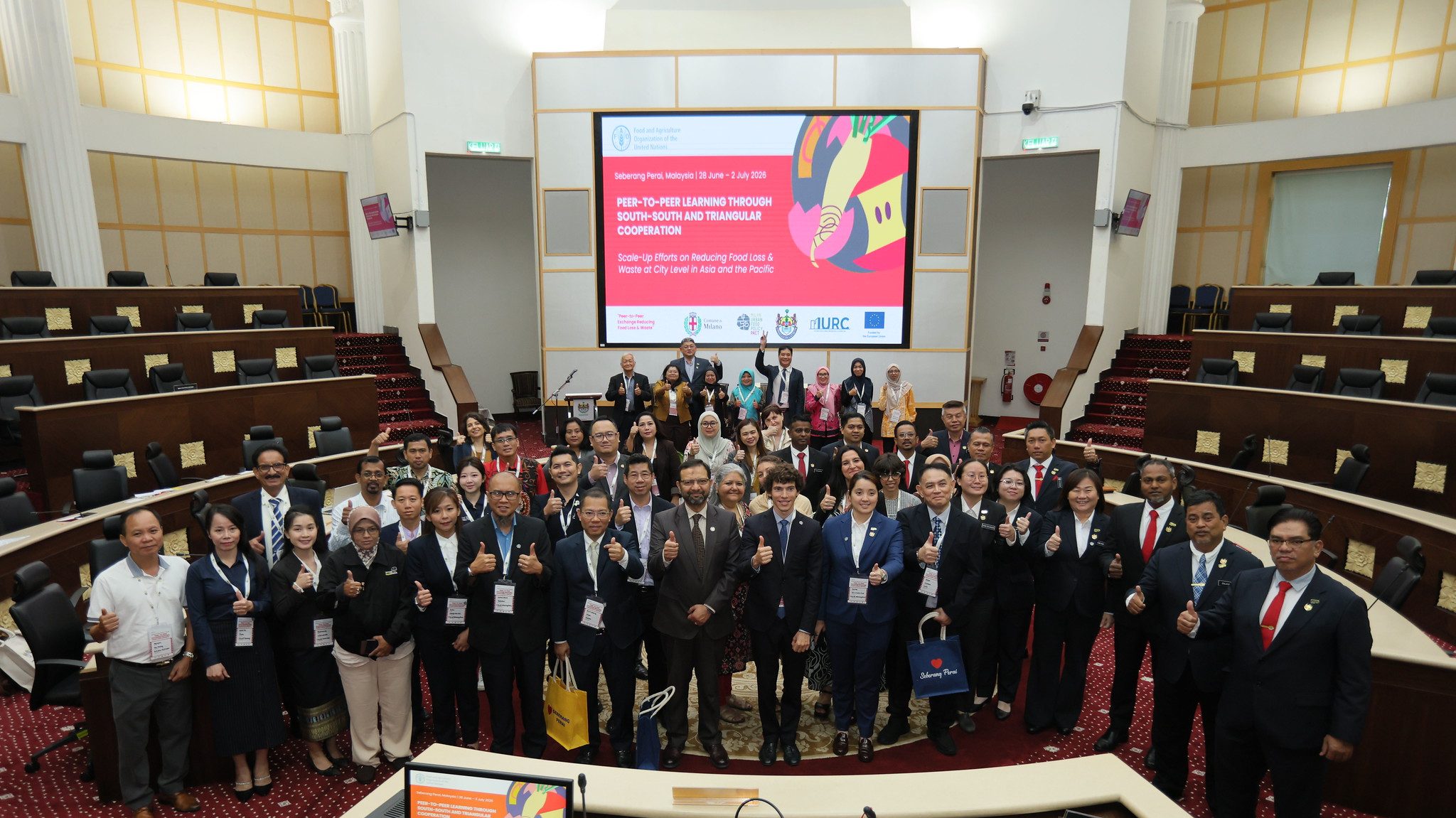
Cities across Asia and the Pacific are increasingly recognizing food loss and waste reduction as a powerful entry point for transforming urban agrifood systems. A regional peer learning exchange held in Seberang Perai, Malaysia, demonstrated how city-to-city collaboration can accelerate commitment, action, strengthen capacities and inspire locally adapted solutions.
From 28 June to 2 July 2026, representatives from cities, national governments, civil society organizations, academia and international institutions gathered in Seberang Perai for the exchange “Peer Learning through South-South and Triangular Cooperation: Scaling up efforts to reduce food loss and waste at city level in Asia and the Pacific.”
The event was organized through a collaboration between the Food and Agriculture Organization of the United Nations (FAO), the Municipality of Milan through the Milan Urban Food Policy Pact (MUFPP), Rikolto and the International Urban and Regional Cooperation (IURC) Programme funded by the European Union.
Rooted in the FAO South-South and Triangular Cooperation (SSTC) Framework, the exchange enabled cities to share experiences, learn from one another and explore solutions to one of the most pressing challenges facing urban agrifood systems today: food loss and waste (FLW).
Why food loss and waste matters
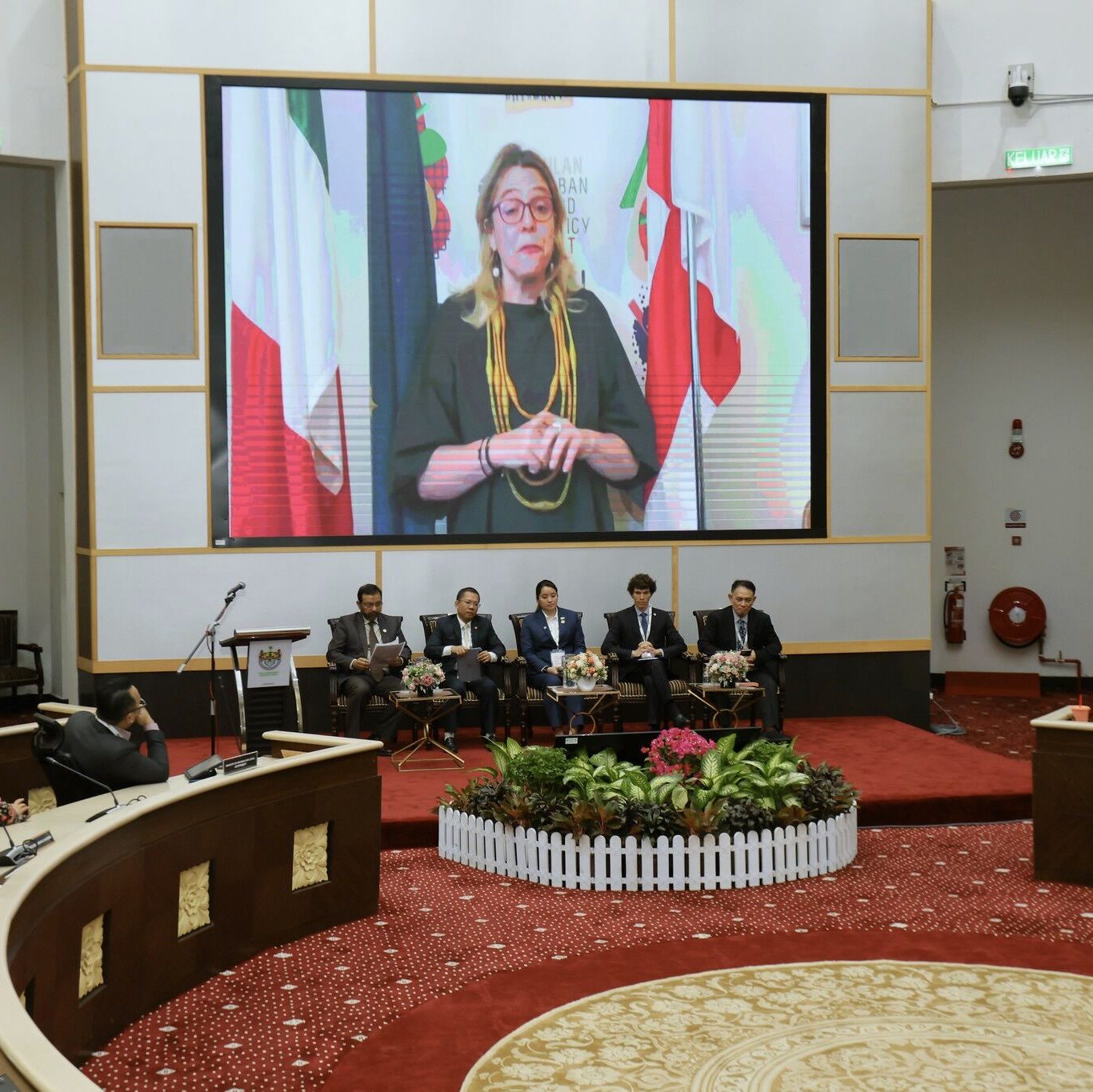
Reducing food loss and waste is increasingly recognized as a strategic opportunity to reduce greenhouse gas emissions, conserve natural resources, improve food security and nutrition, support circular economy approaches and create economic opportunities. In a video message, Anna Scavuzzo, Vice Mayor of Milan, recalled the importance of “connecting globally while acting regionally,” as highlighted in the 2025 MUFPP Global Forum Final Declaration. “Reducing food loss and waste is a central pillar of the urban food strategies adopted by many MUFPP signatory cities, and political commitment remains one of the most powerful drivers of change.”
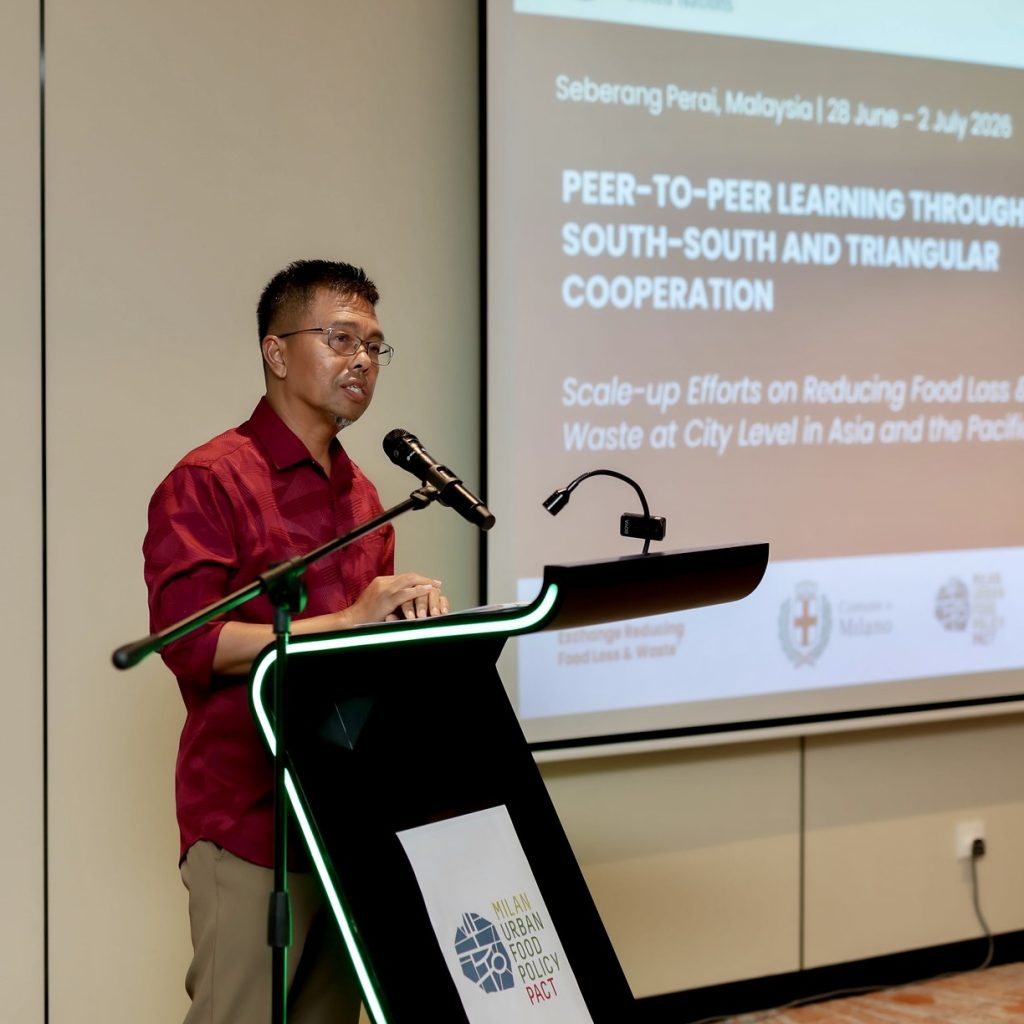
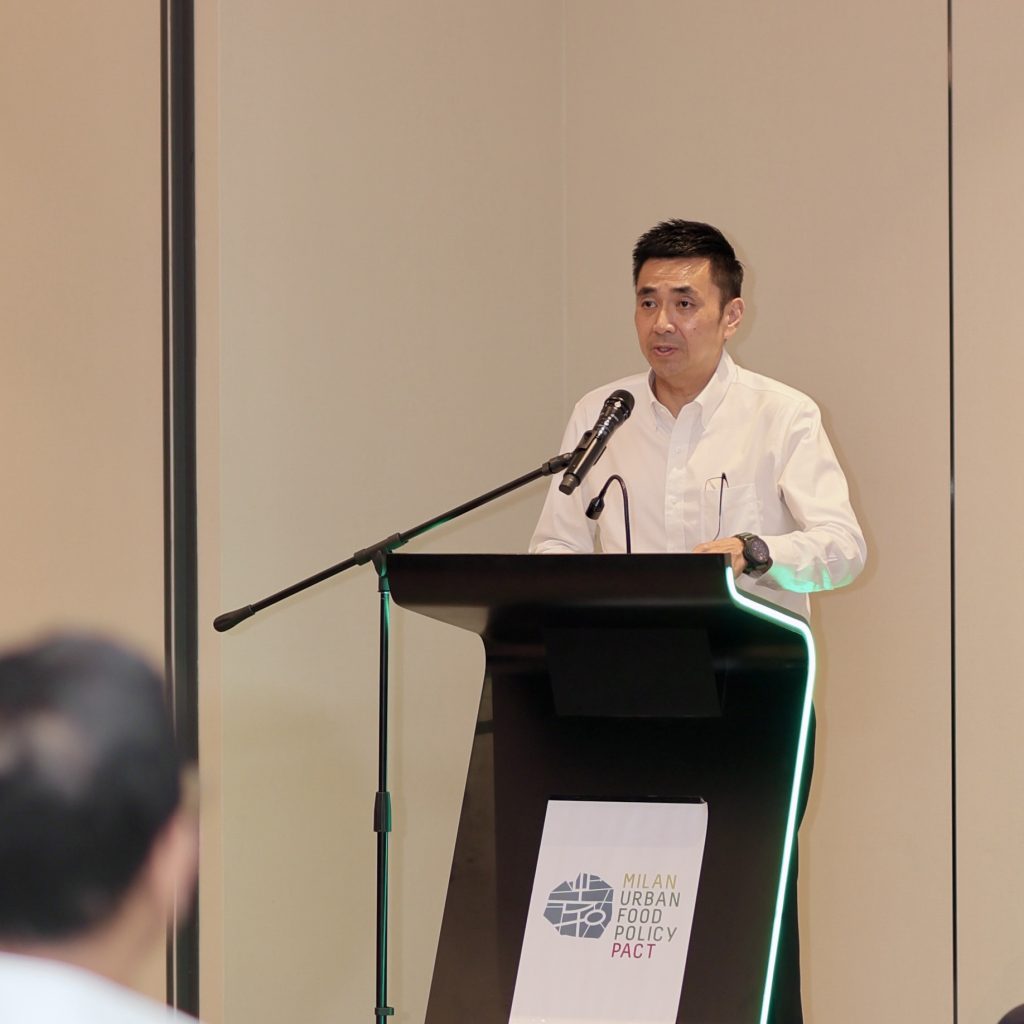
For the host city, the exchange also reinforced local leadership on urban agrifood systems. “The cities of tomorrow are built by the actions we choose today,” stressed Dato Haji Baderul Amin bin Abdul Hamid, Mayor of Seberang Perai City Council.
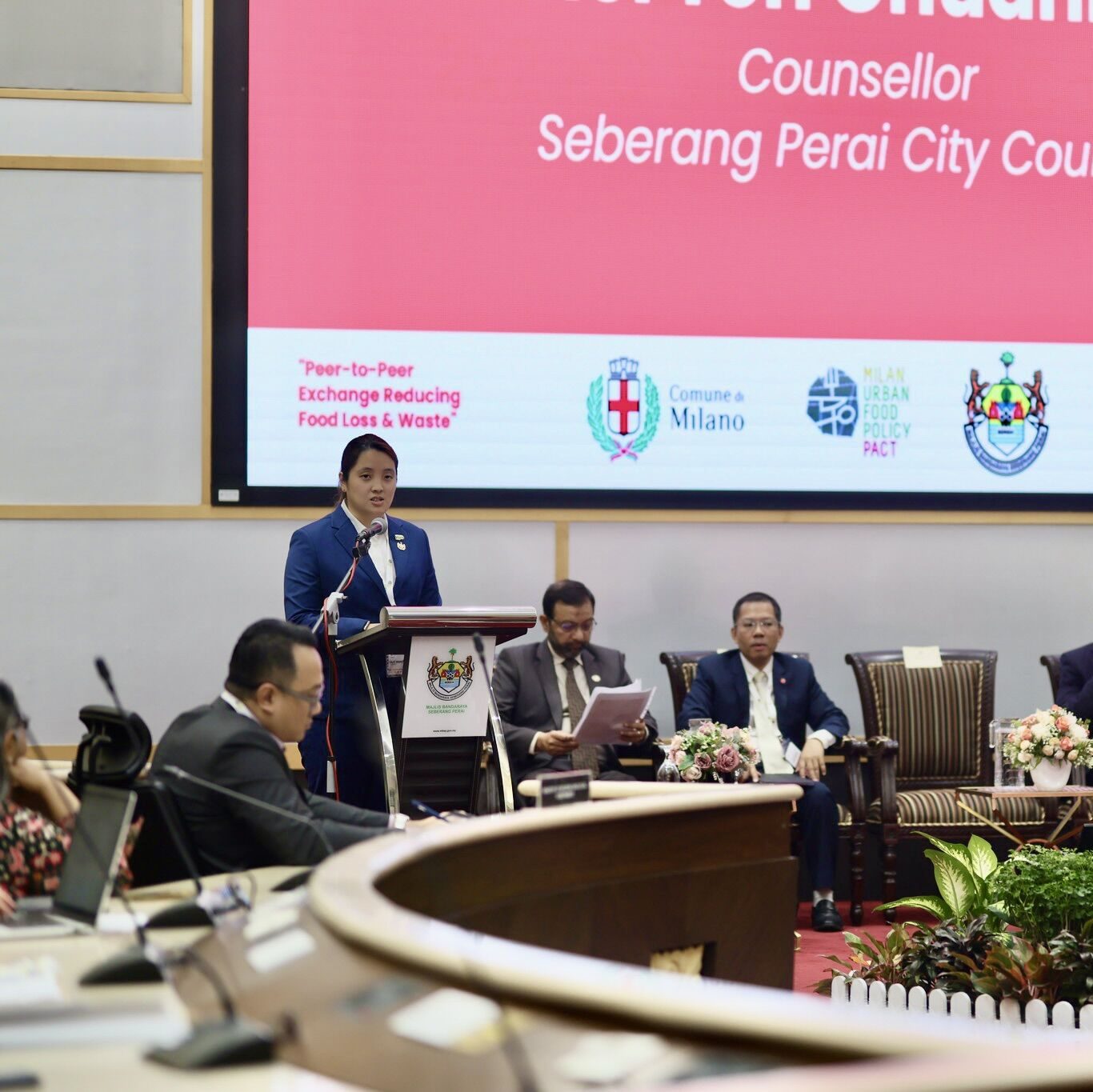
Rachel Teh, City Councillor of Seberang Perai, emphasized the city’s commitment to supporting broader urban agrifood systems action across Malaysia. “The Seberang Perai City Council is ready to prioritize the urban agrifood systems agenda in Malaysia through facilitating engagement and peer-to-peer learning with other Malaysian cities.”
YB H’ng Mooi Lye, Penang State Executive Councillor for Local Government and Town and Country Planning, encouraged participants to bring the lessons learned back to their communities. “Each participant is now an ambassador of change, carrying knowledge, experience and passion back to your communities. Your contributions will serve as a catalyst for positive transformation at the grassroots level.”
Learning from peers
Participants from Malaysia, Viet Nam, Indonesia, Lao PDR, Sri Lanka and the Philippines, together with representatives from ASEAN and the World Union of Wholesale Markets (WUWM), explored city experiences ranging from urban agriculture and schools to food services, wholesale markets and redistribution initiatives.
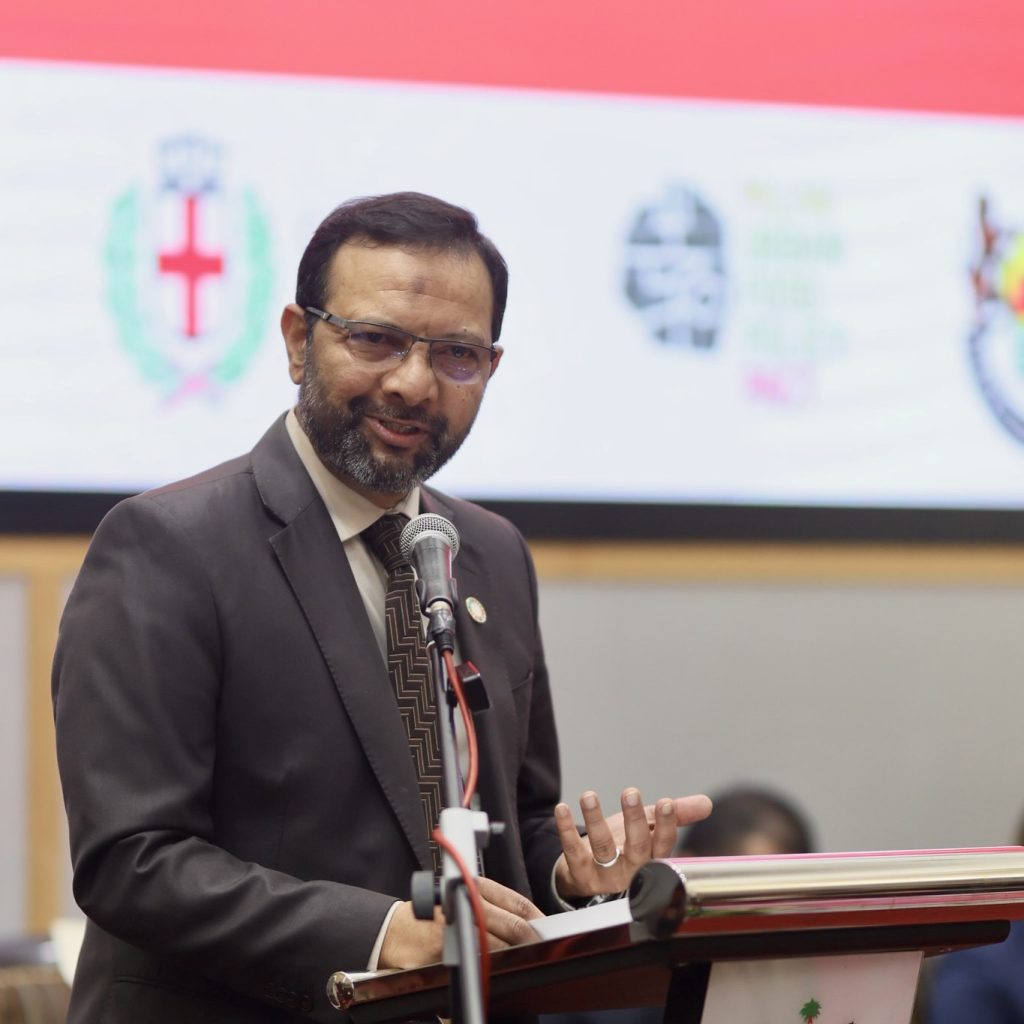
A common message emerged throughout the week: cities often learn best from one another. “Peer-to-peer exchanges and SSTC initiatives foster mutual learning, allowing cities to identify local priorities, create tailored action plans and implement effective interventions. This collaborative approach strengthens capacities and accelerates progress toward agrifood systems transformation,” said Nafis Khan, Senior Programme Officer at FAO.
For Filippo Gavazzeni, Director of the Milan Urban Food Policy Pact, the exchange was part of a much broader process. “This exchange represented a steppingstone for participating cities, creating an enabling environment in order to implement impactful policies at urban level.”
Indeed, rather than relying on one-off training activities, the initiative combines webinars, workshops, mentoring opportunities and peer exchange to help cities strengthen capacities and develop concrete project proposals.
From dialogue to action
A key lesson emerging from the exchange was that food loss and waste should not be viewed as a purely technical issue.
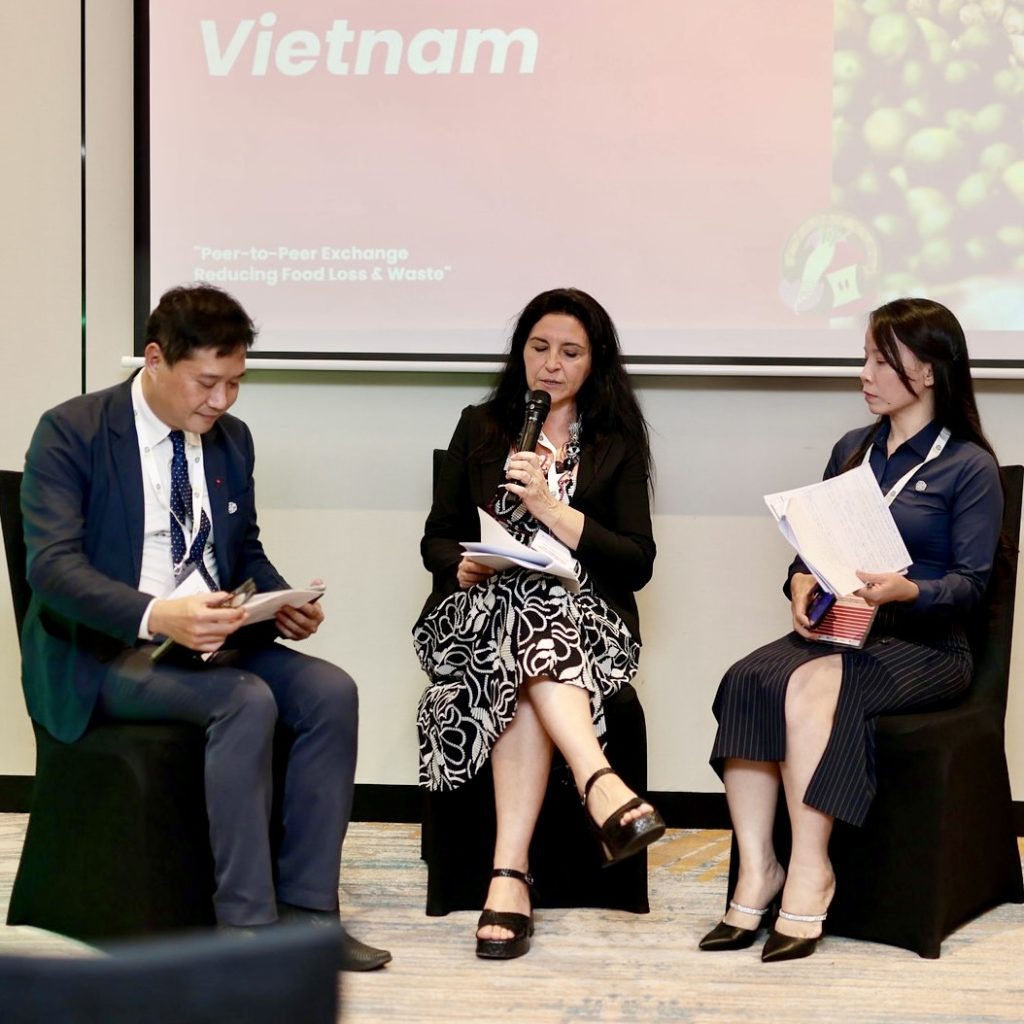
“Food loss and waste reduction is most effective when considered within the broader framework of urban agrifood systems transformation and supported through effective collaboration among stakeholders and across levels of government,” noted Cecilia Marocchino, Urban Agrifood Systems Expert at FAO.
Participants highlighted the importance of stronger coordination across levels of government, active stakeholder engagement and improved data systems to support decision-making. One participant from Indonesia reflected on the next steps: “I will be back home mapping all the stakeholders already working on this agenda and connecting them to this initiative.”
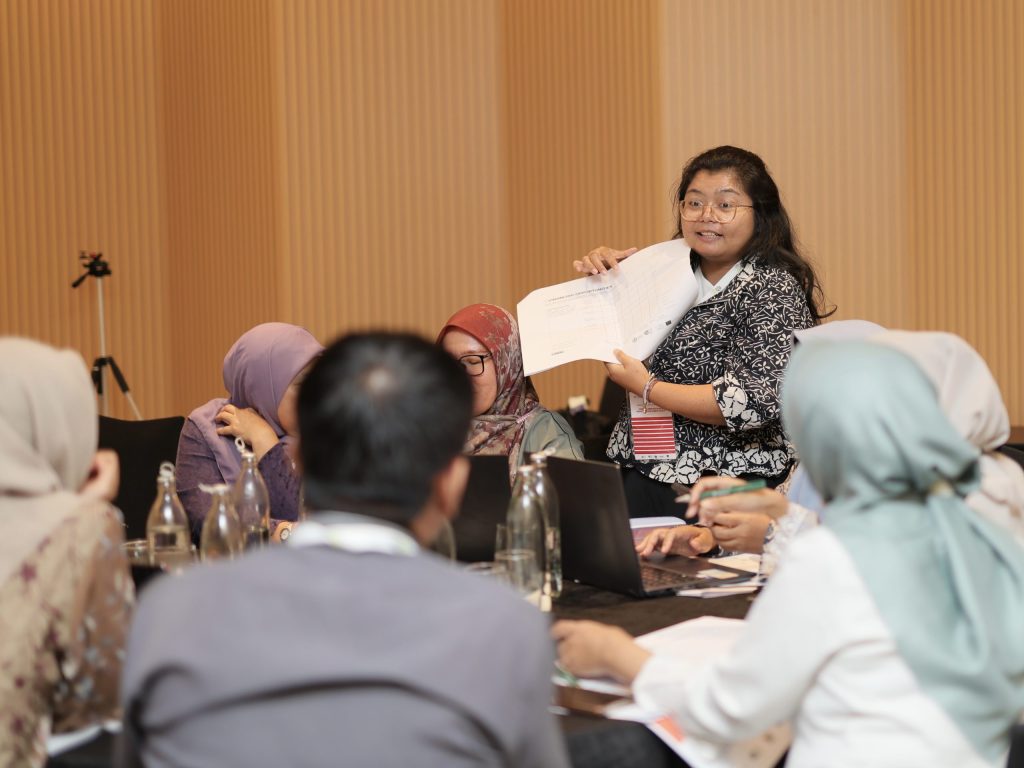
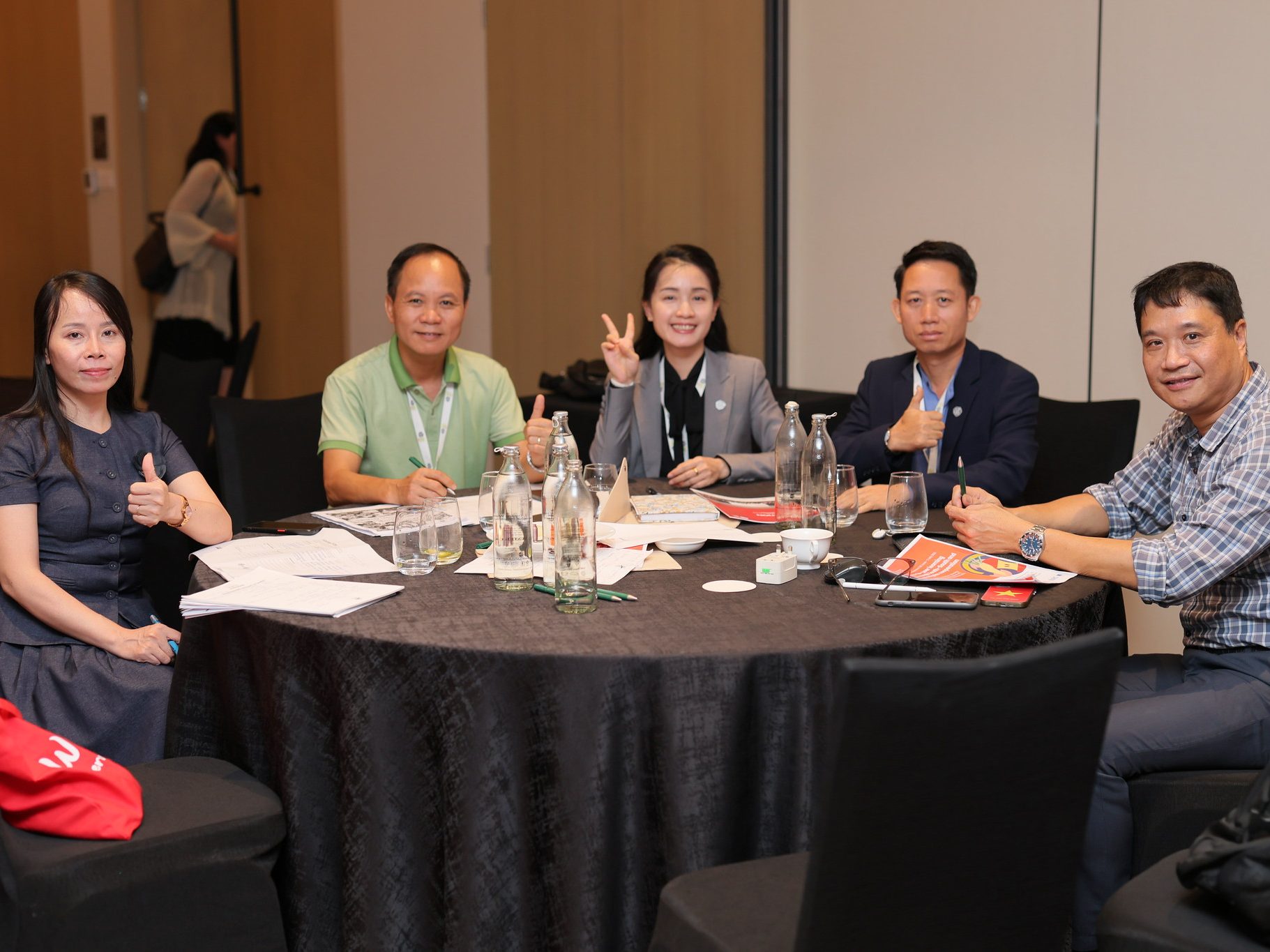
Through stakeholder mapping and action-planning exercises, cities explored practical solutions and identified locally relevant entry points for action. Schools, wholesale markets, food hubs, redistribution programmes and circular economy initiatives were identified as potential entry points for action. Highlighting the role that wholesale markets can play within this broader landscape, Meeta Punjabi, Senior Food Systems Officer at FAO RAP, noted: “Wholesale markets sit at the heart of urban food systems and can drive their circular transformation—linking nutrition, food safety, climate action, food loss and waste reduction, clean energy, and economic opportunities in a single integrated approach.”
Seeing solutions in practice
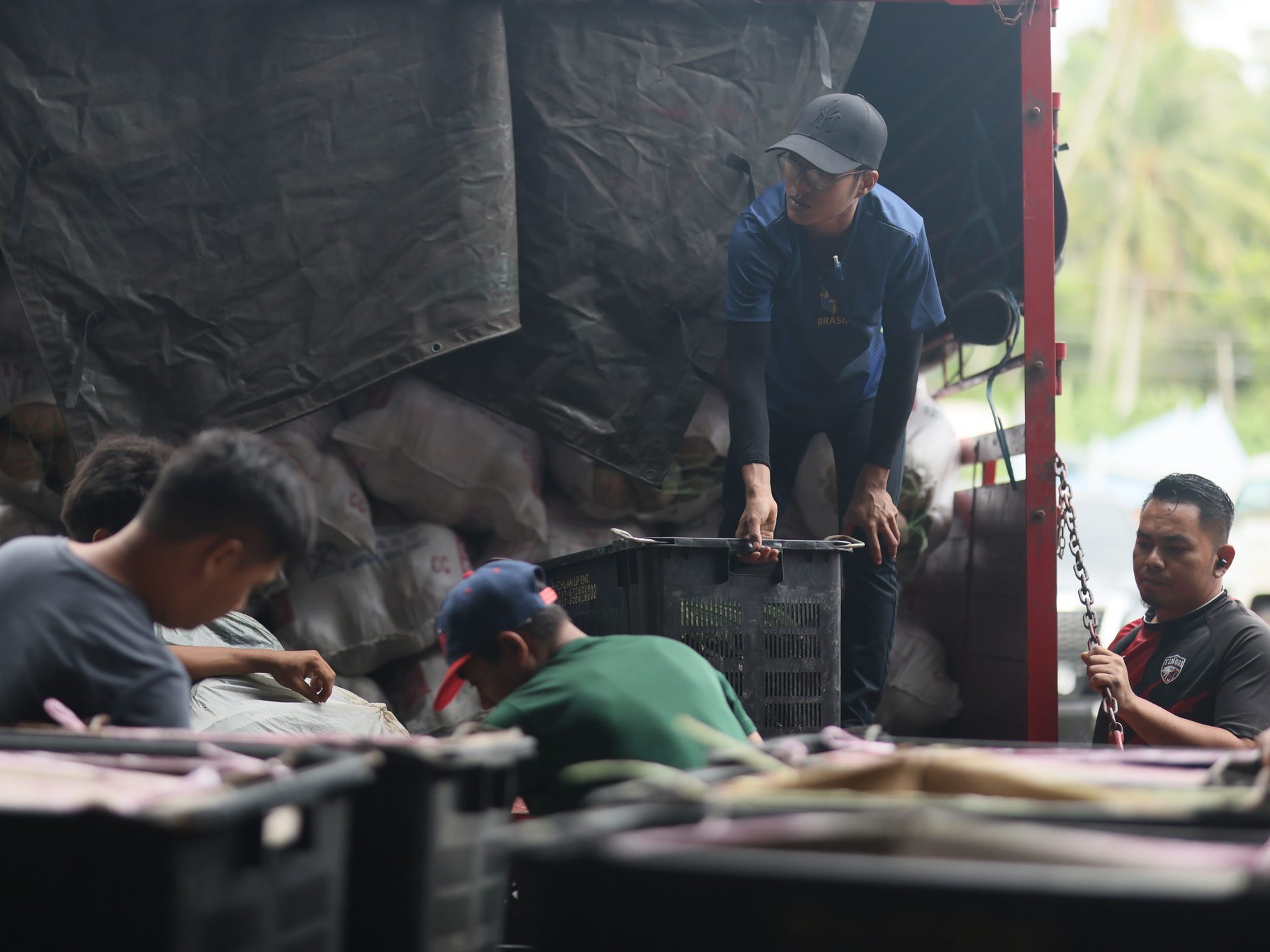
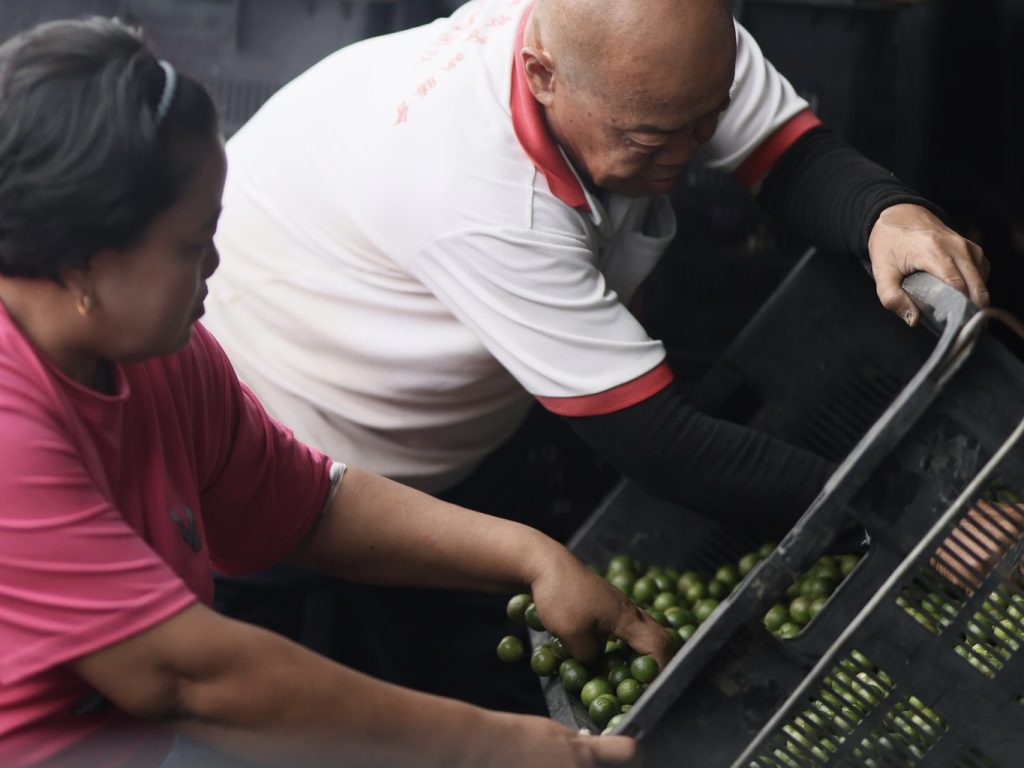
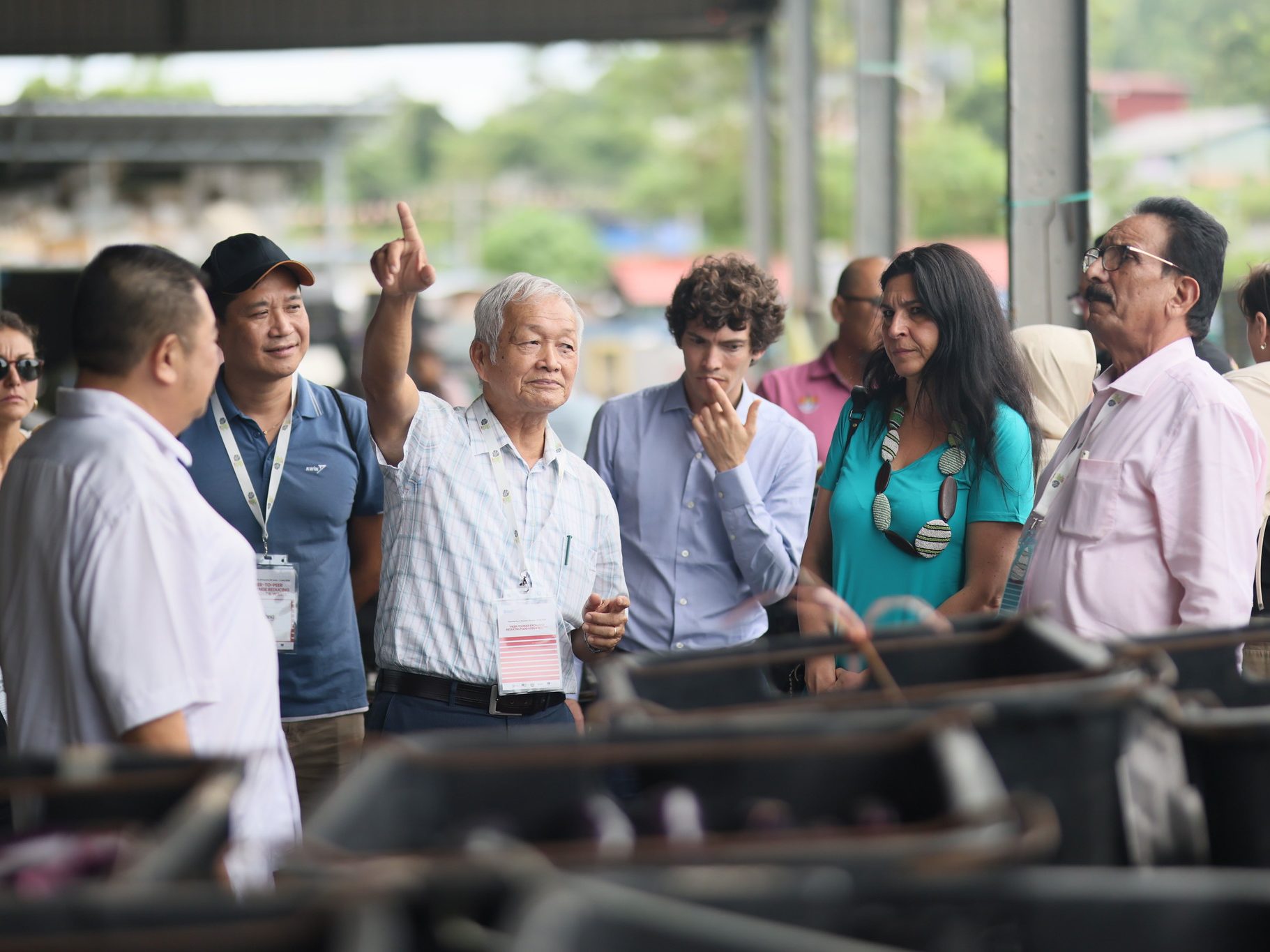
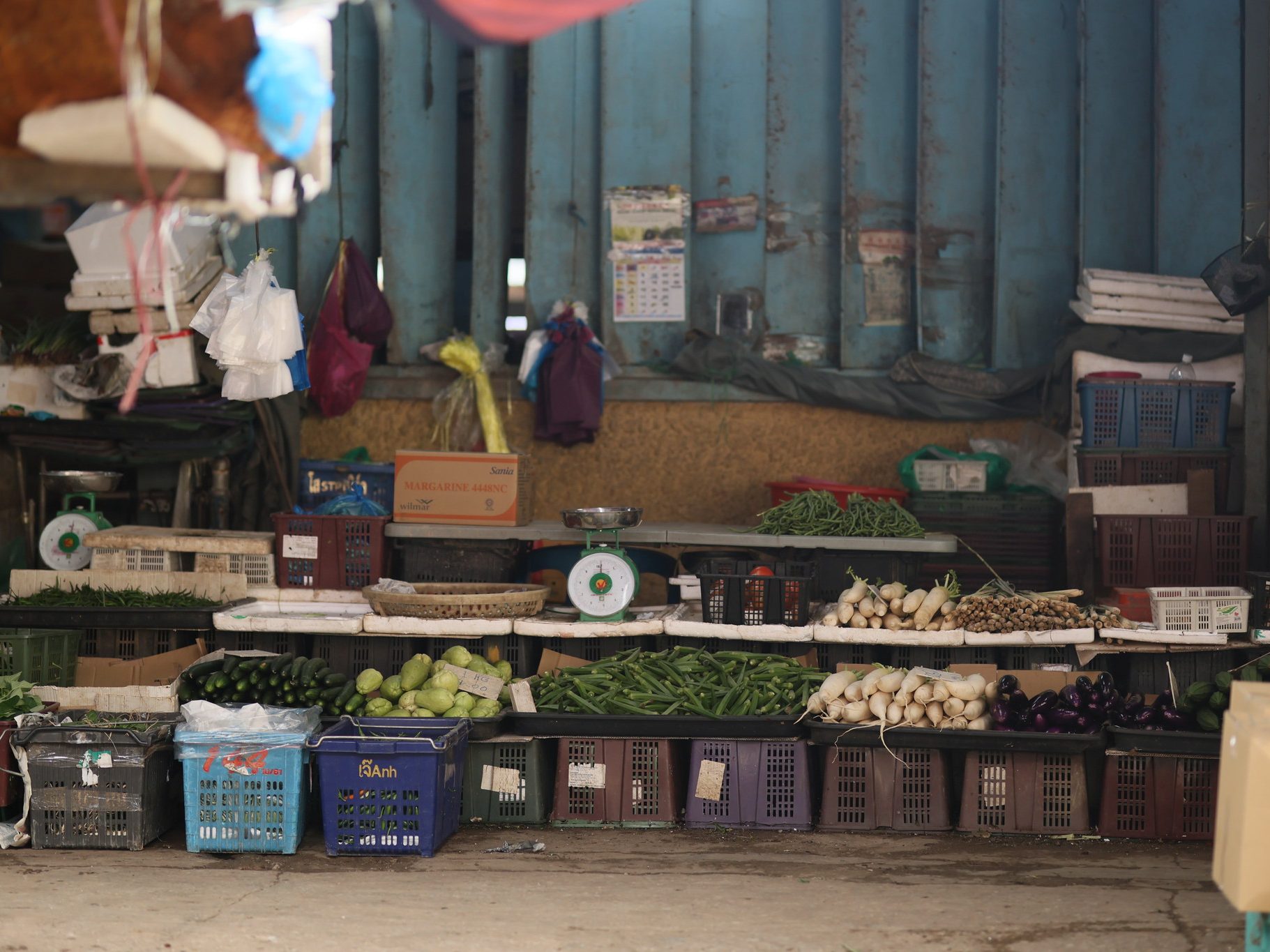
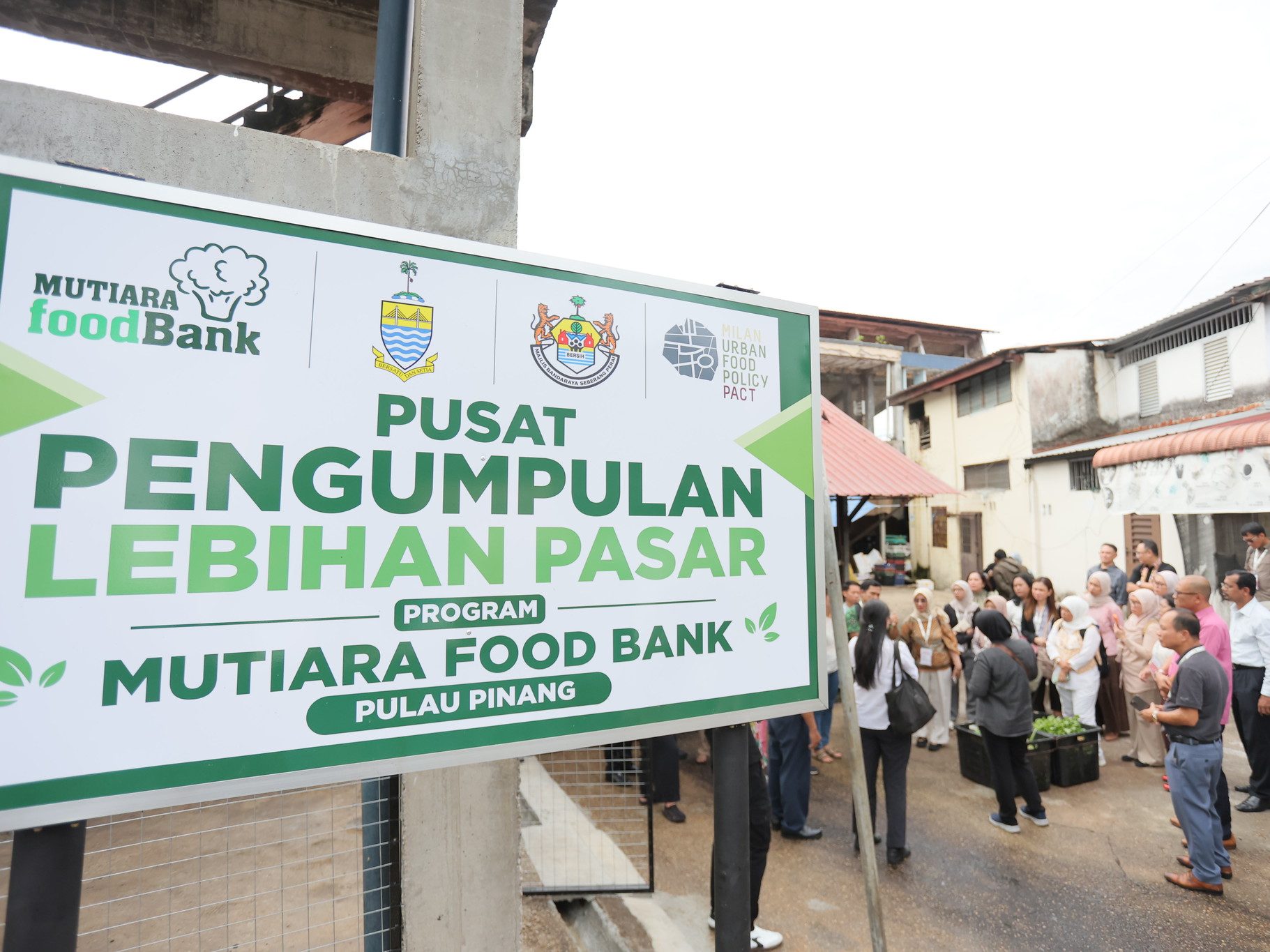
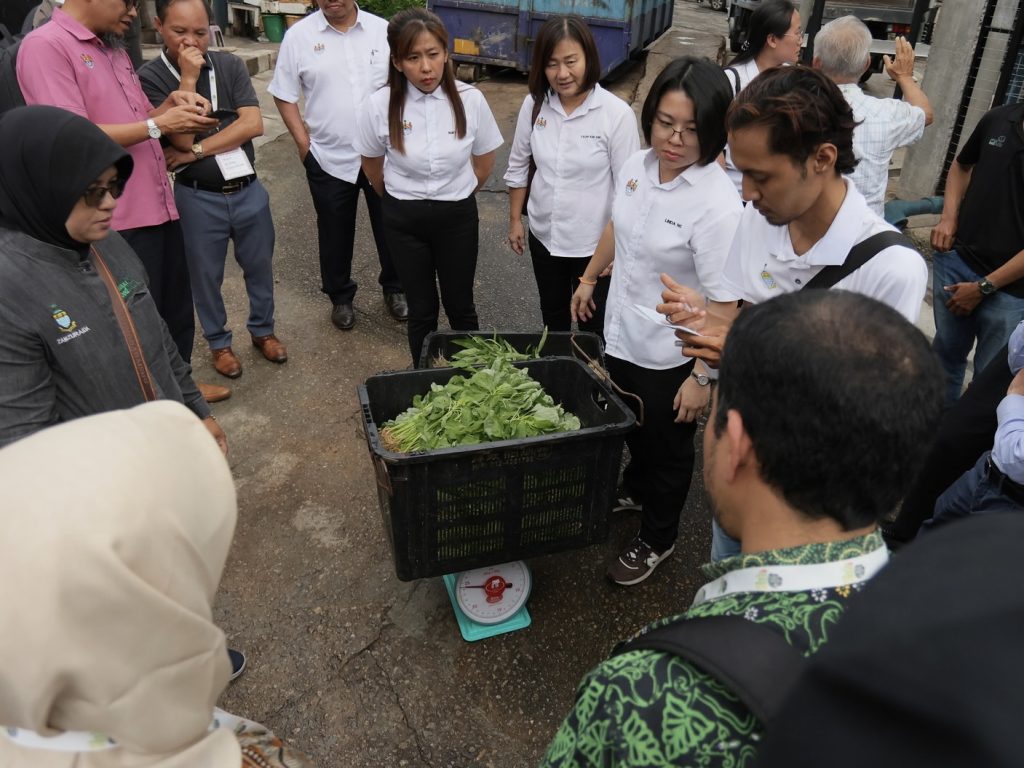
Field visits to Seberang Perai’s Chiap Hong Wholesale Market, Pekan Bukit Mertajam Wet Market, and the Mutiara Food Bank brought many of the workshop’s discussions to life.
Participants gained first-hand insights into the importance of integrated analysis, data collection, hotspot identification, enabling infrastructure and effective multi-stakeholder governance in supporting food loss and waste reduction. They also gained a deeper understanding of the need to integrate prevention, recovery and redistribution mechanisms to maximize environmental, social and economic benefits while strengthening urban agrifood system resilience.
More broadly, the visits illustrated the connections between food loss and waste reduction, climate resilience, circular economy and sustainable urban and rural development.
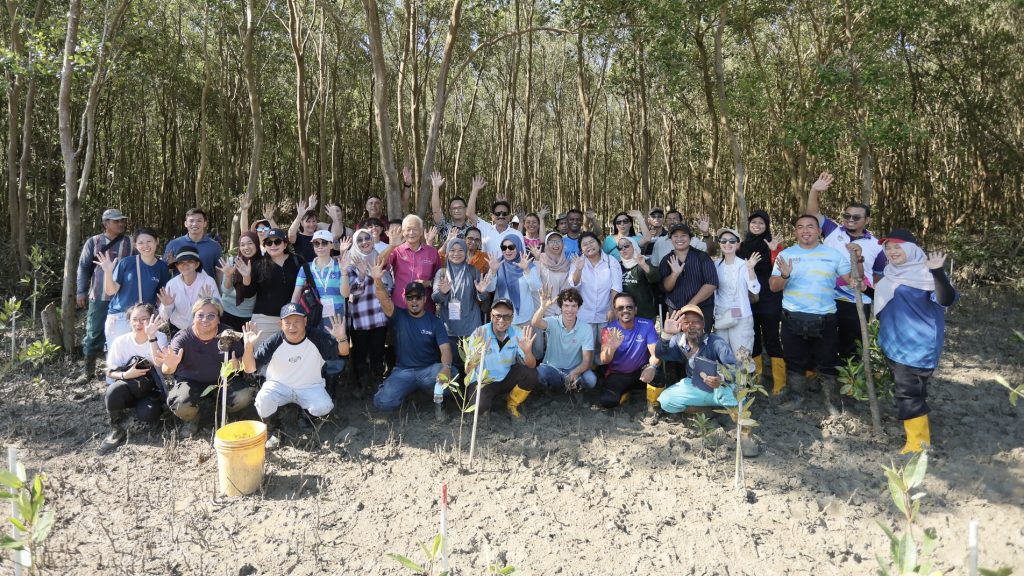
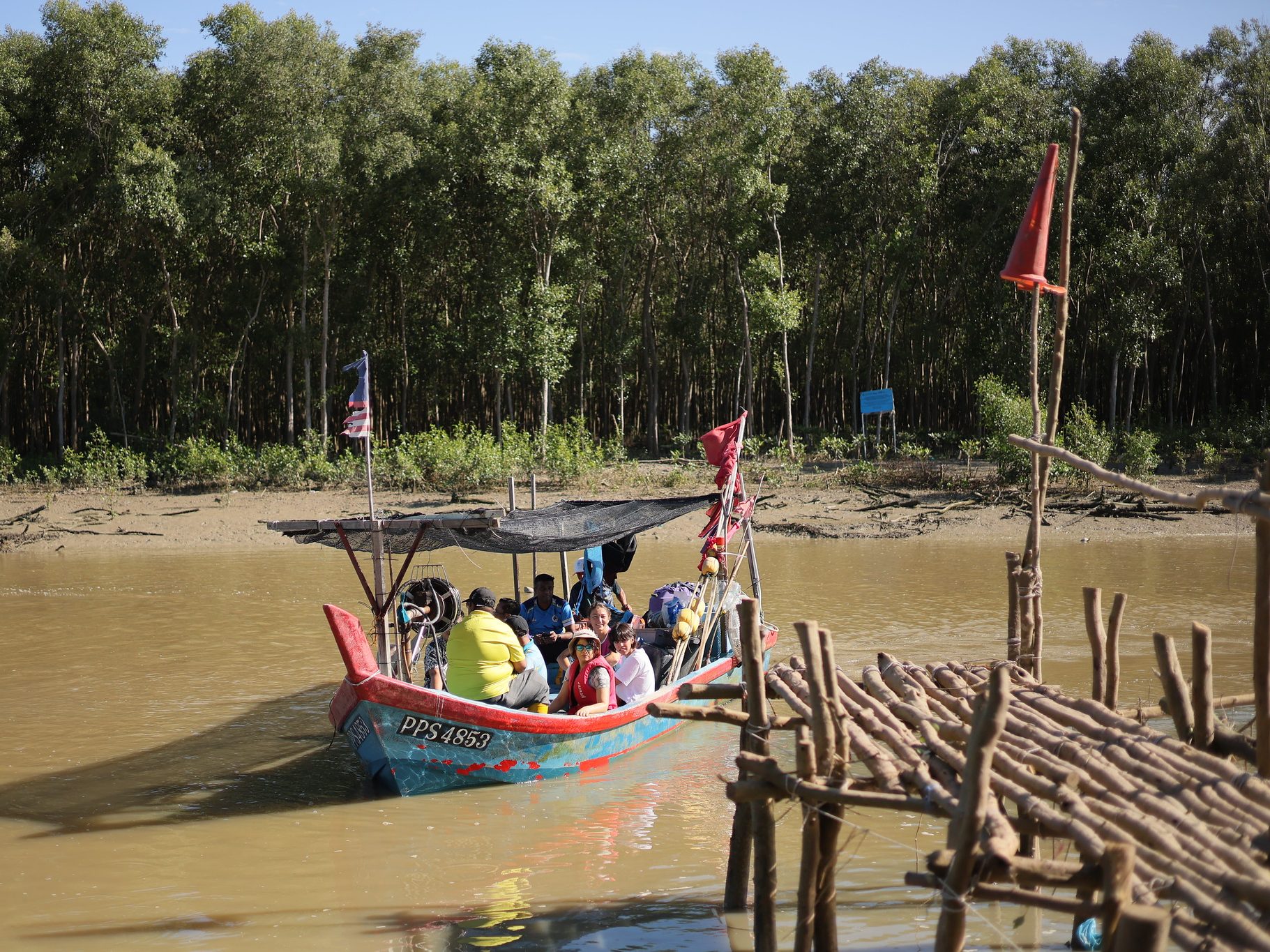
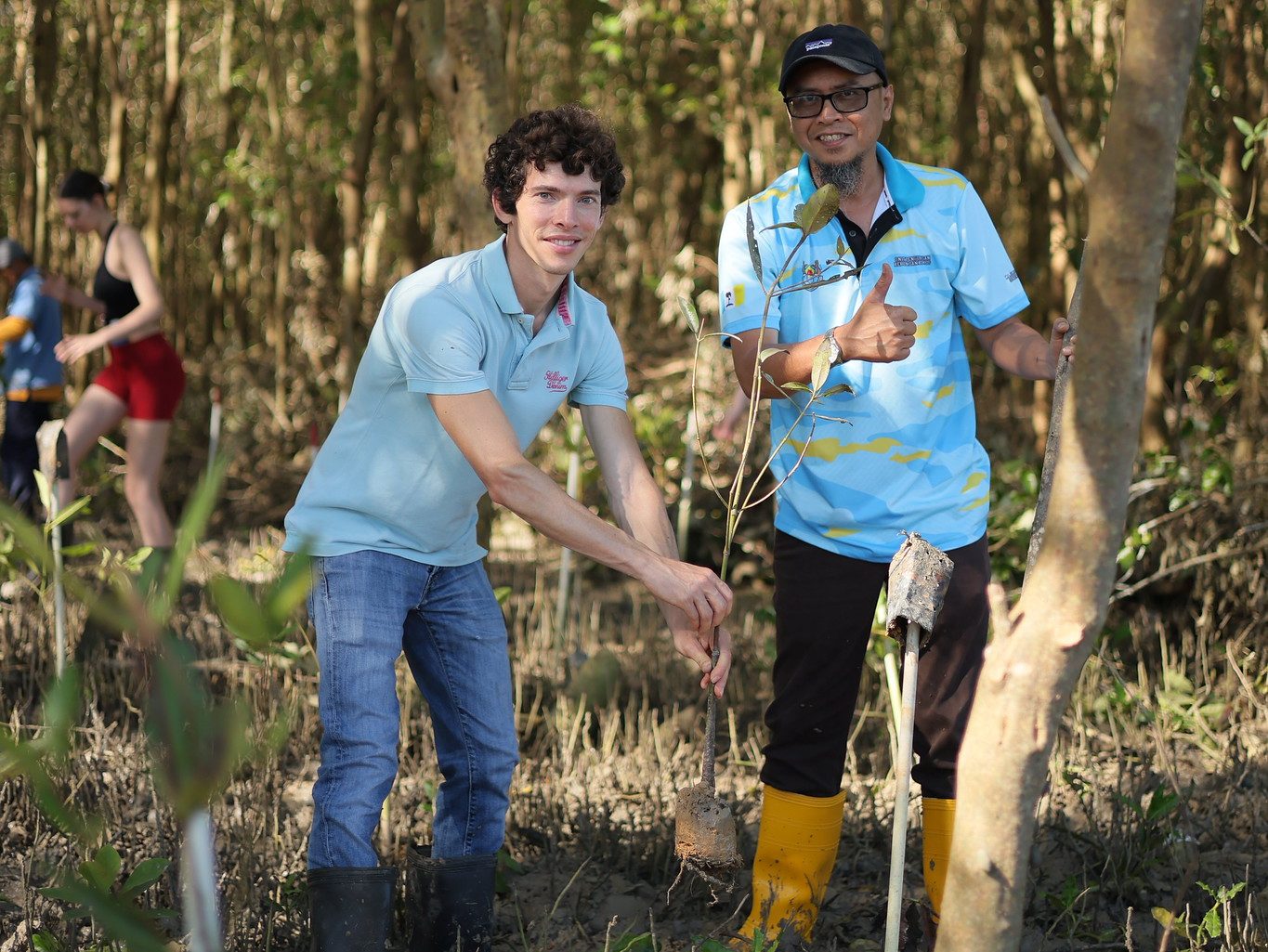
On the final day, participants visited a mangrove restoration site in Seberang Perai, developed through a public-private partnership with local fishing communities. The initiative strengthens coastal ecosystems, supports livelihoods and highlights the links between environmental action and resilient urban agrifood systems. Participants also took part in a mangrove planting activity, contributing to the ongoing restoration efforts.
Looking ahead
The exchange generated three important outcomes.
First, it strengthened recognition of peer-to-peer exchange as a catalyst for change and political commitment, with participants expressing strong interest in continuing collaboration and learning from one another beyond the workshop.
Second, it initiated place-based multi-stakeholder and multi-level dialogue processes, helping cities identify key actors, map priorities and lay the foundations for stronger coordination, inclusive engagement and collective action across sectors and levels of governance.
Third, it strengthened capacities for project development and resource mobilization, supporting participants in translating priorities into concrete project ideas and creating opportunities to mobilize external funding while leveraging public investments.
The exchange marked the beginning of a capacity development process that will continue over the coming months through an integrated peer-learning approach, combining direct coaching, peer-to-peer exchange and learning-by-doing modalities.
The Seberang Perai exchange highlighted the value of South-South and Triangular Cooperation in accelerating innovation, strengthening local ownership and supporting effective action. It also showed how collaboration across sectors and levels of governance can advance more sustainable, inclusive and resilient urban agrifood systems.
This article was originally published by FAO: https://www.fao.org/sstc-gateway/news-and-events/news/peer-learning-through-south-south-and-triangular-cooperation-strengthens-city