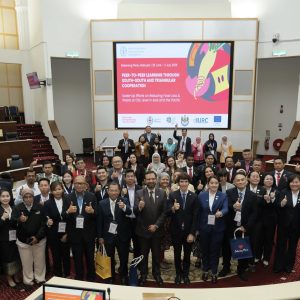
Ten years after the signing of the Milan Urban Food Policy Pact, the inaugural North & Central America Regional Forum in Austin, Texas, marks a historic milestone in urban food governance. With the launch of the 2026–2028 Regional Roadmap, nearly 40 signatory cities are moving from individual action to collective regional impact.
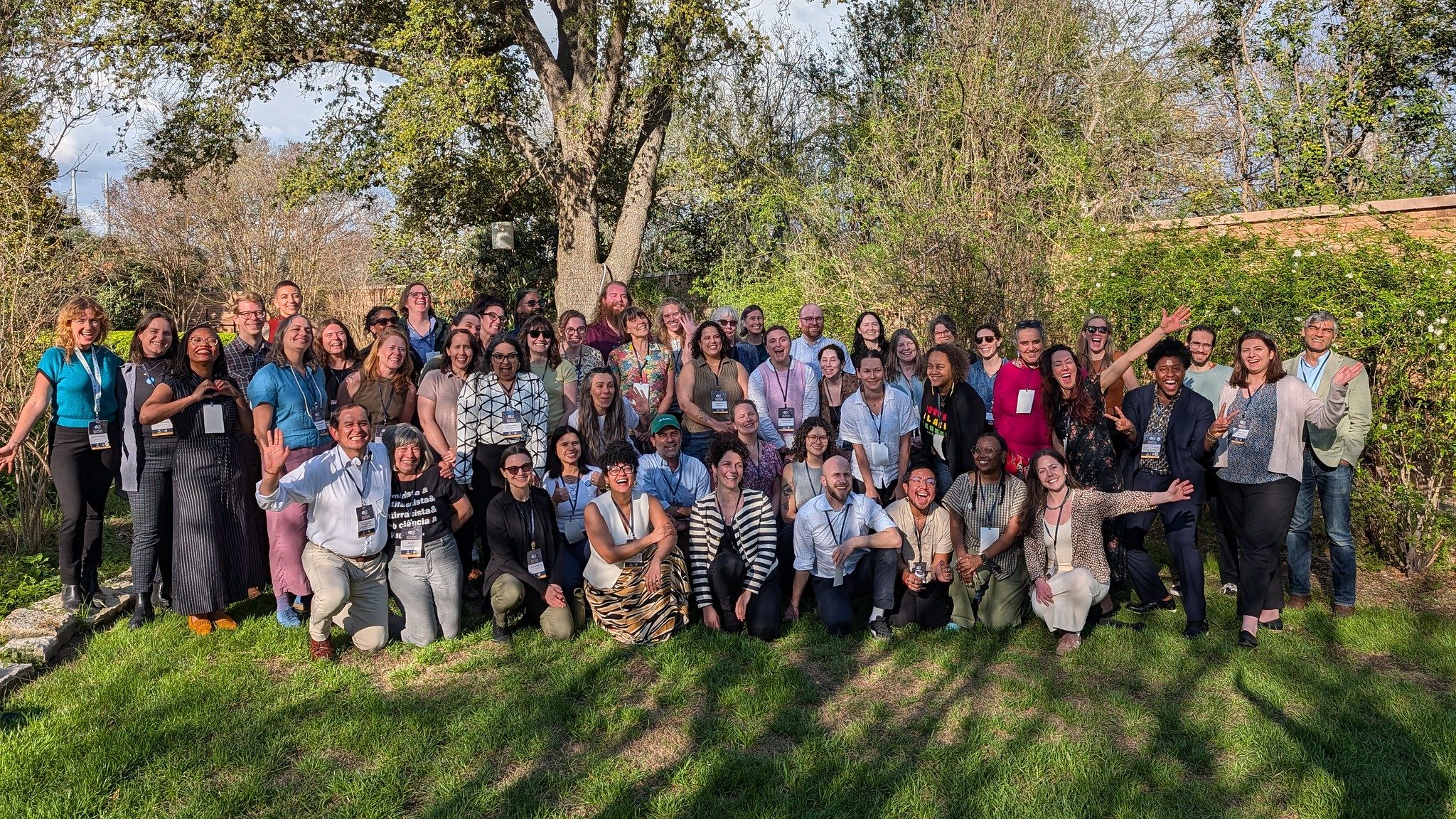
On 10–11 March 2026, the City of Austin, in collaboration with the City of Baltimore, hosted the first-ever MUFPP Regional Forum for the North & Central America region. Under the theme A Recipe for Change: Cities Leading Food Systems Change, food policy officers, stakeholders, academics, practitioners, and international experts gathered to address the unique challenges and opportunities facing the region’s urban food landscapes. The Forum served as a vital platform for peer-to-peer learning and strategic alignment (see full event agenda).
A landmark gathering in Austin
The first day of the Forum (10 March) began with a field trip to the Central Texas Food Bank (CTFB), the leading hunger-relief nonprofit in Central Texas working to provide immediate and equitable access to nutritious food across its 21 county-service area. Through a combination of direct-service programs and a network of approximately 250 nonprofit community partners, the Food Bank supports over 610,000 food-insecure individuals annually. Participants had the opportunity to learn about ongoing efforts to address hunger in Central Texas, including a guided tour of the on-site vegetable garden, internal market, warehouse, cooler and freezer areas, and the production kitchen.
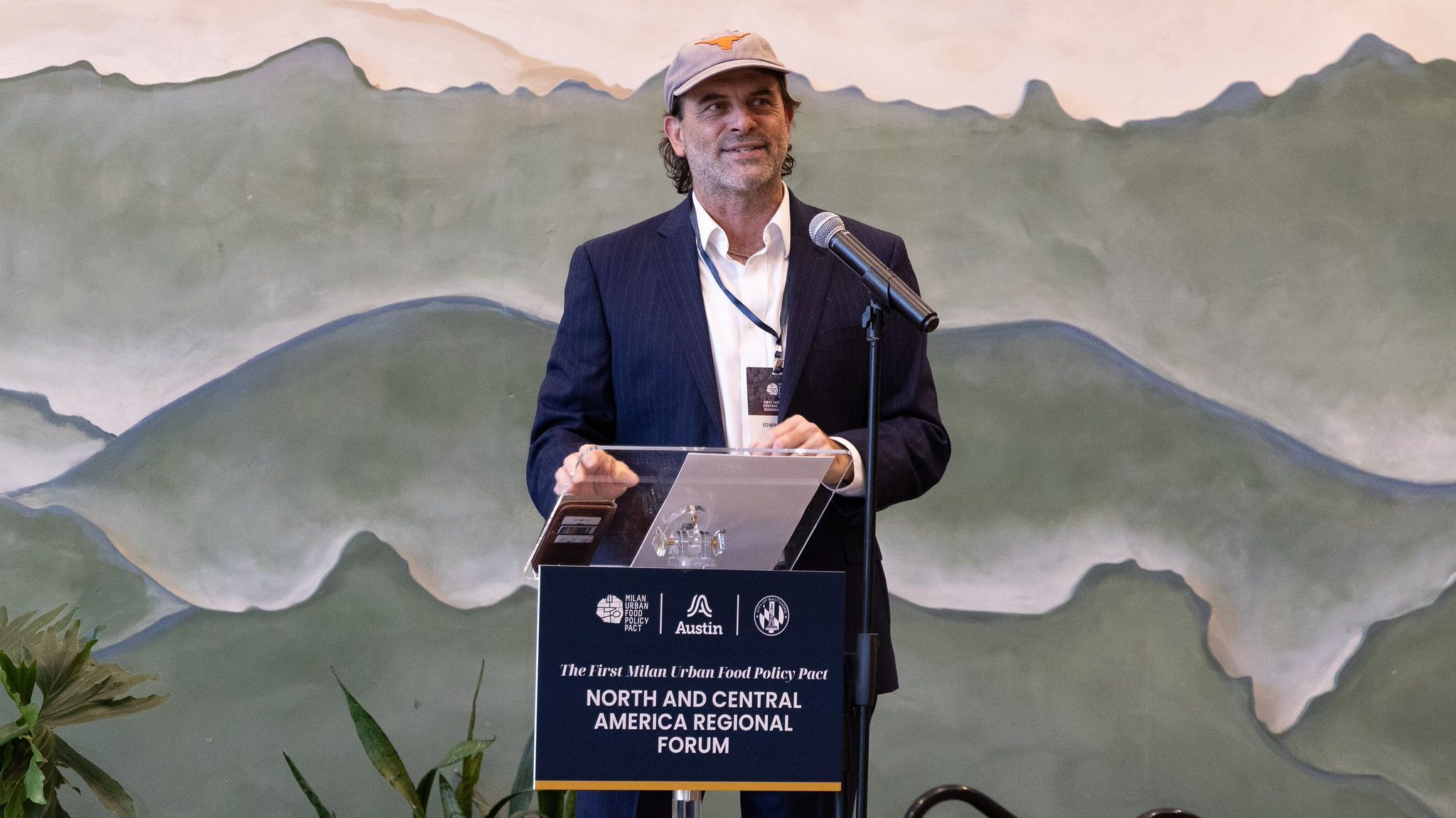
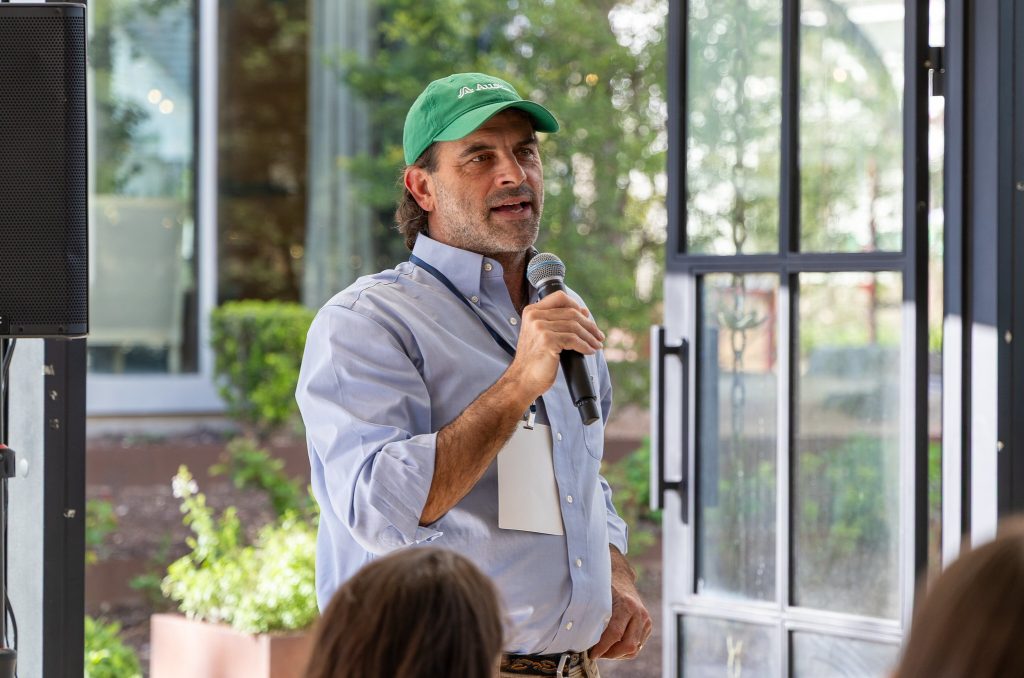
In the evening, a reception dinner brought together representatives from the host city and local partners. Remarks were delivered by officials from the City of Austin and Travis County, including Edwin Marty (Food Policy Manager of the City of Austin) and The Honorable Brigid Shea (Commissioner Travis County), alongside representatives of the MUFPP Secretariat and local partners, setting the stage for the days ahead.
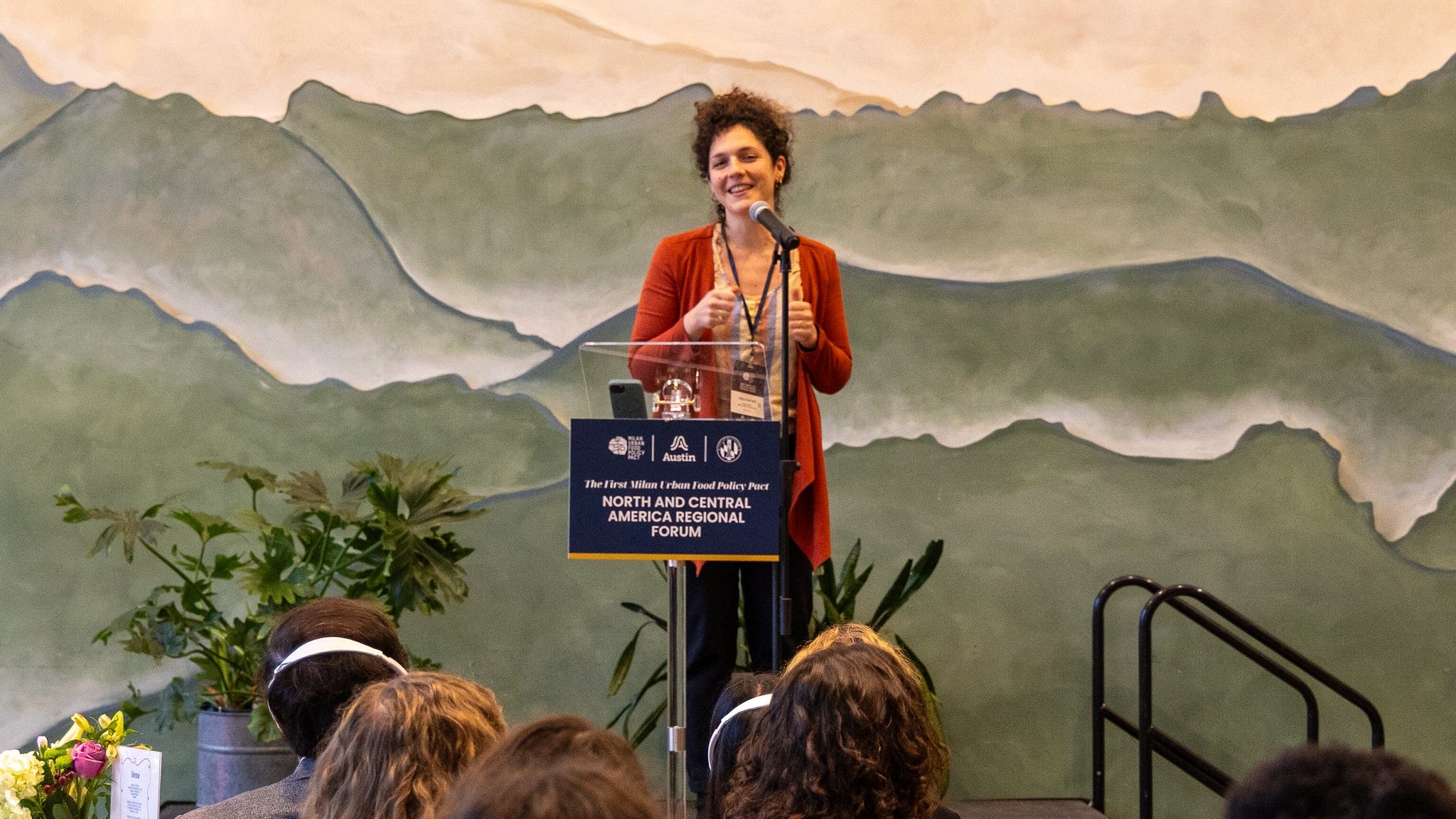
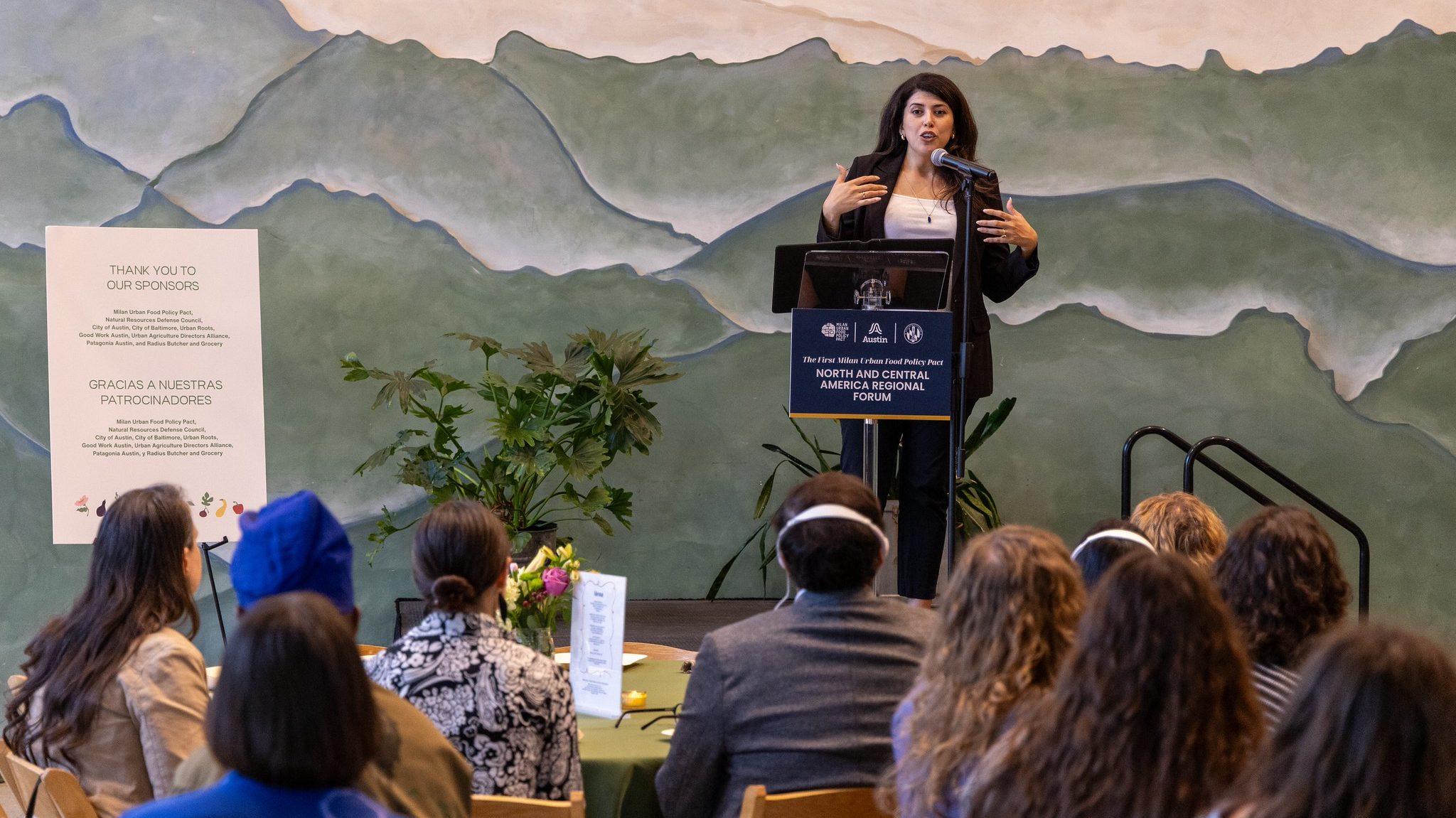
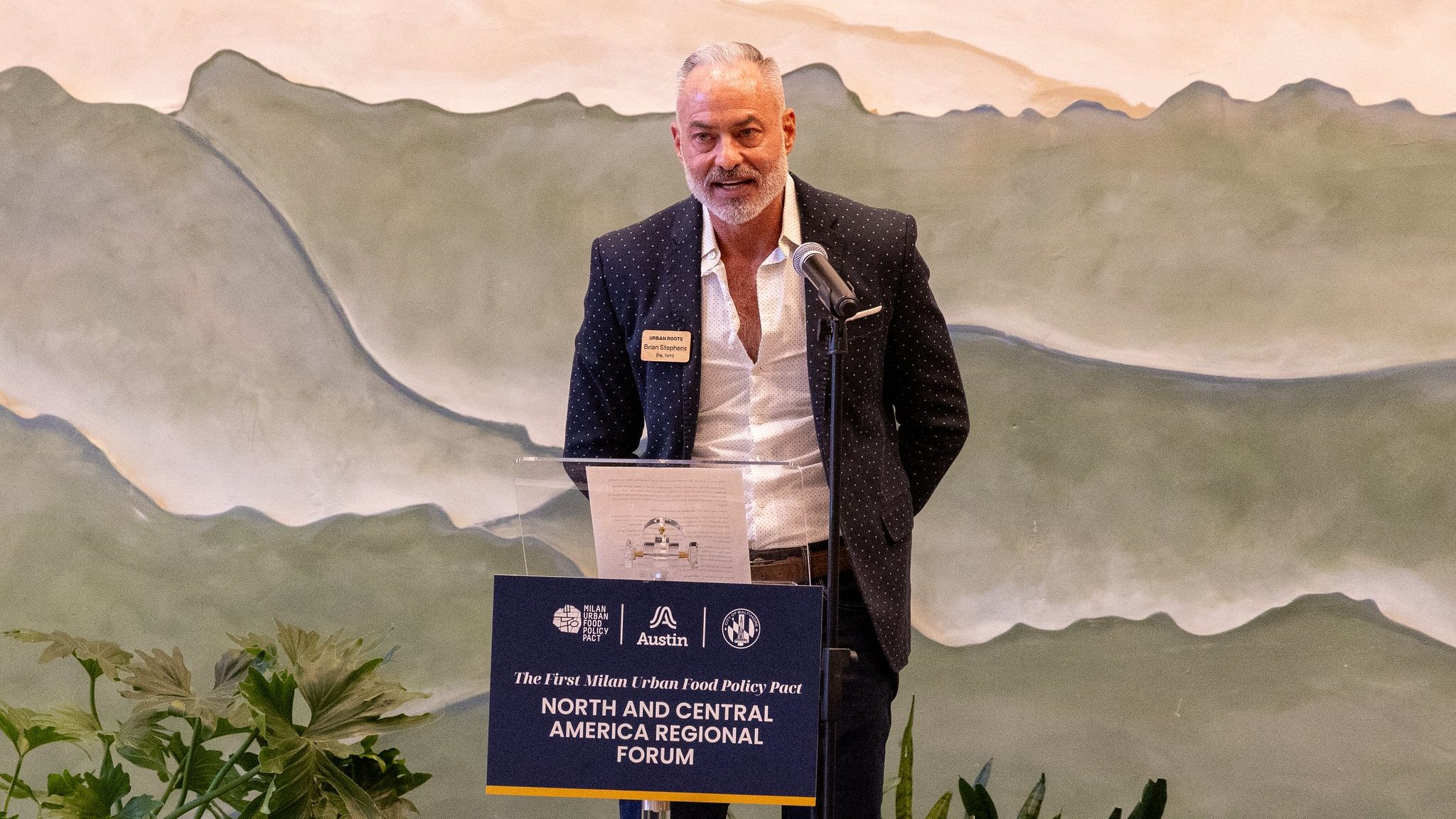
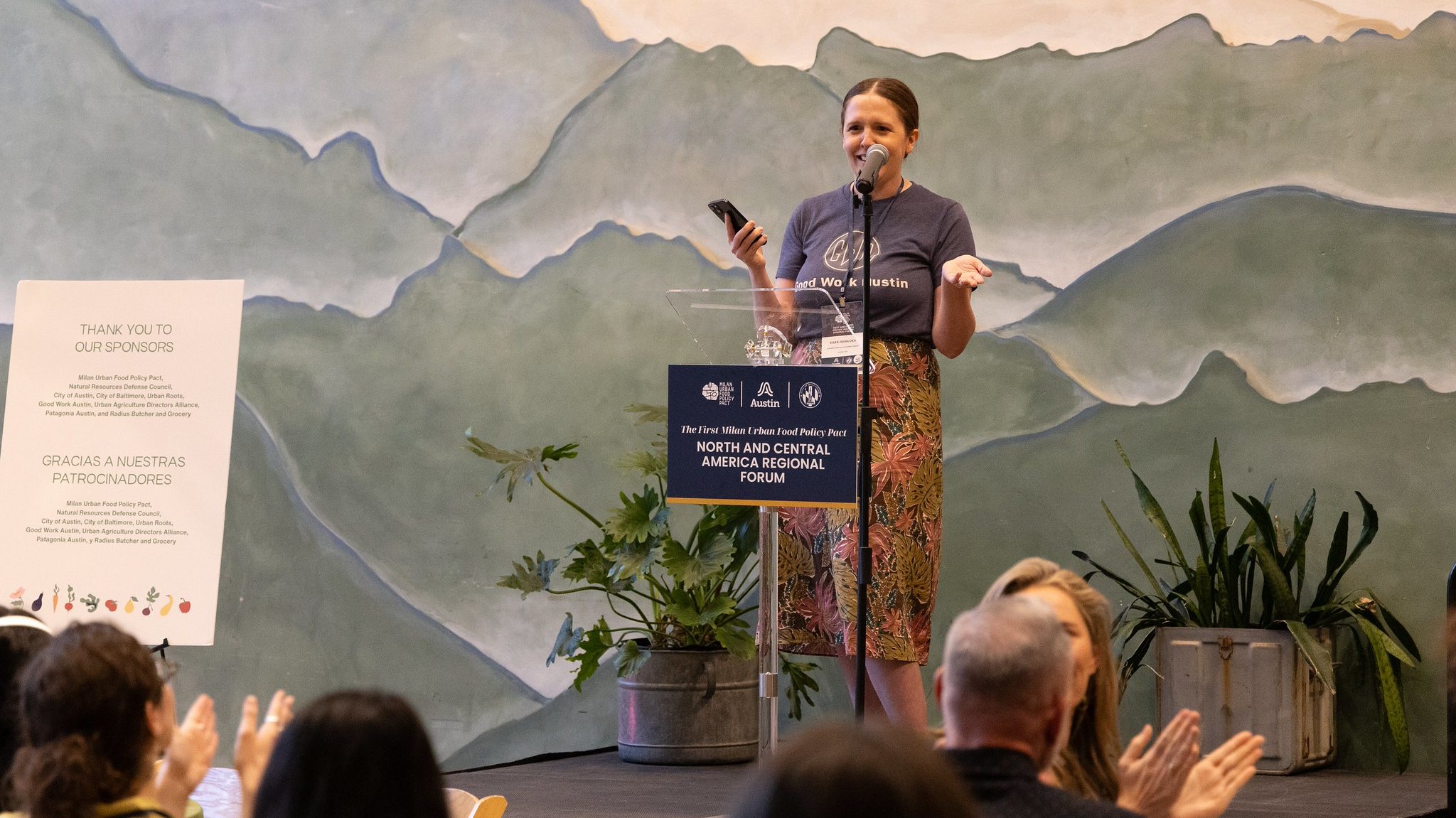
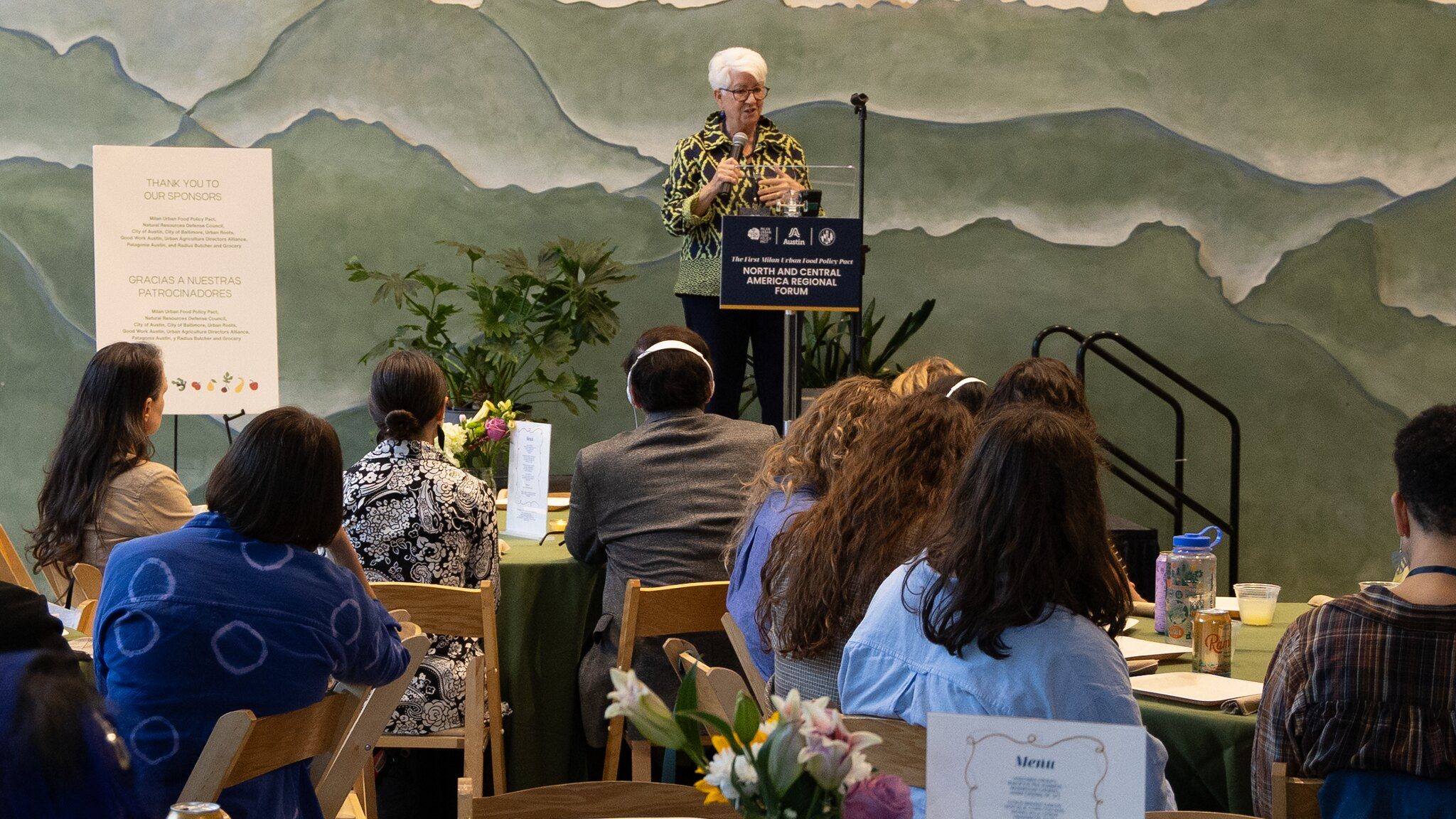
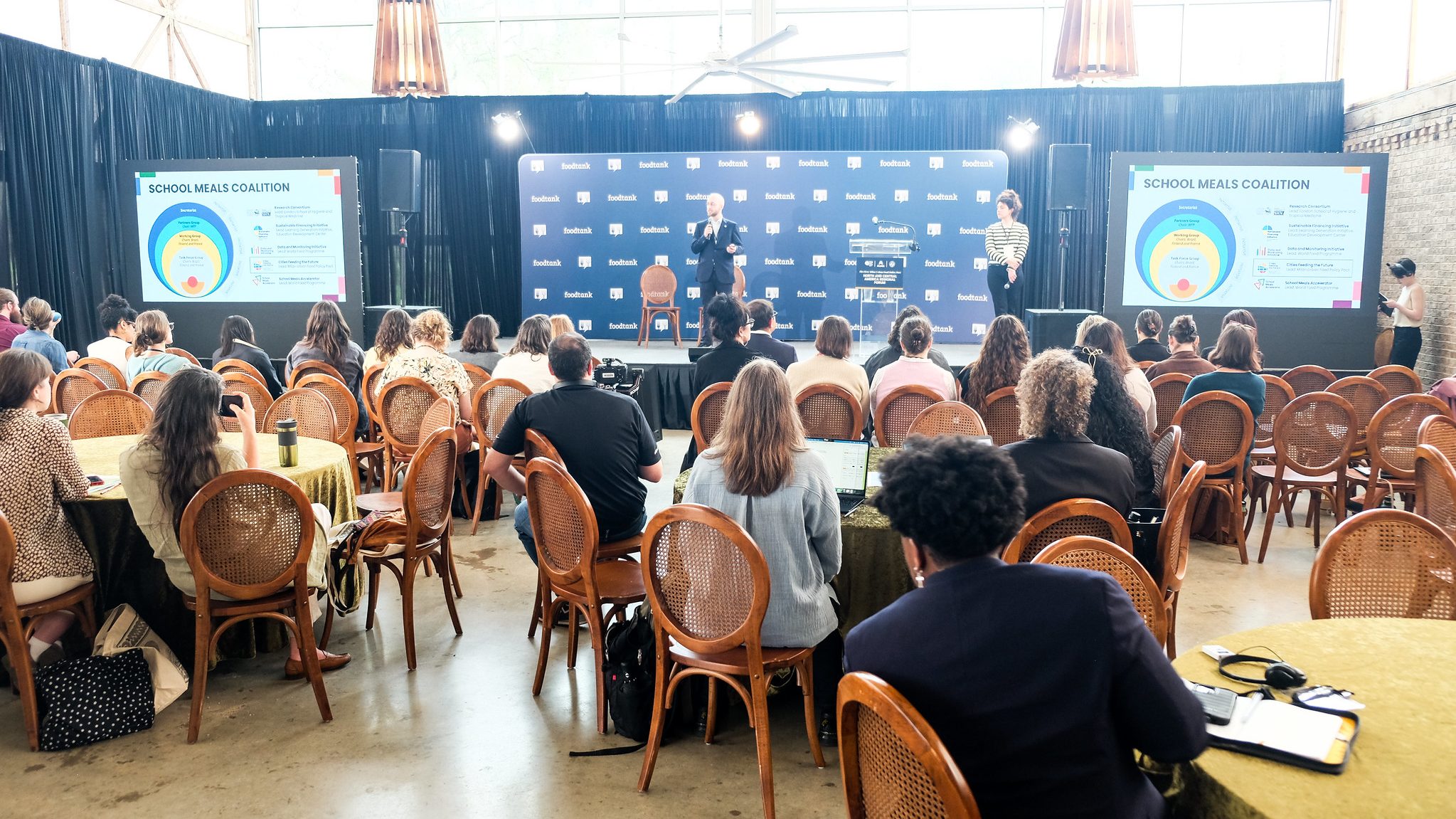
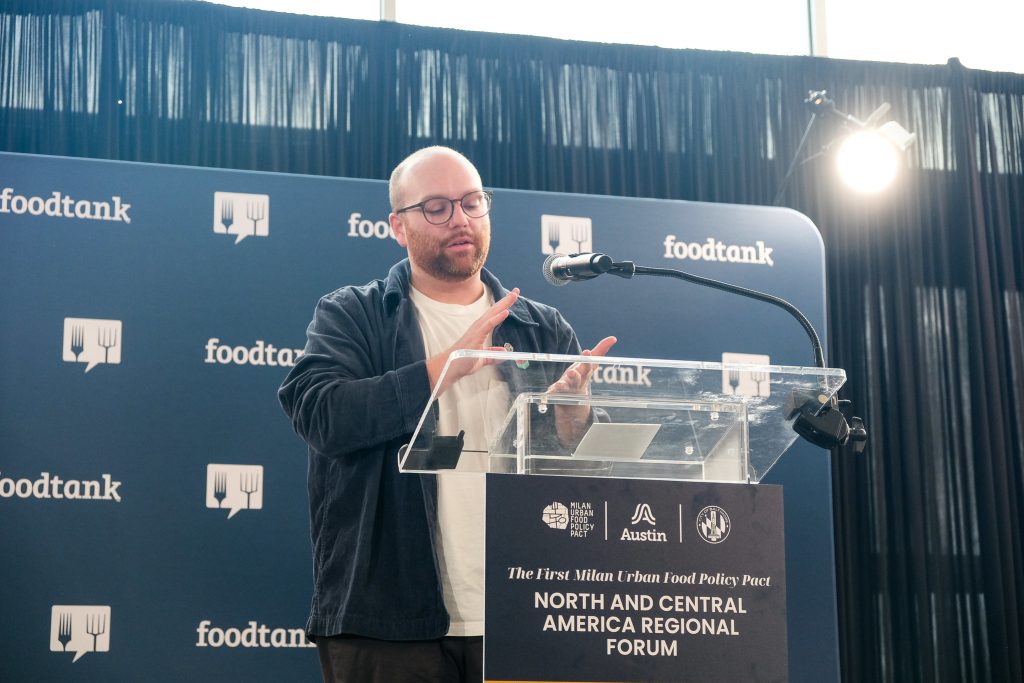
The second day (11 March) featured a full programme of Forum activities and discussions. Opening remarks by the MUFPP Secretariat and host city representatives established a collaborative tone for a day focused on exchange and partnership. The morning included a State of the Pact address, presenting key outcomes from the MUFPP 2025 Global Forum and the latest edition of the Milan Pact Awards, along with the signing ceremony of new cities joining the Pact, including Seattle and Albuquerque.
A key moment of the day was the announcement of the newly elected MUFPP Steering Committee for the 2026–2028 mandate, with Austin and Mexico City named to represent North and Central America.
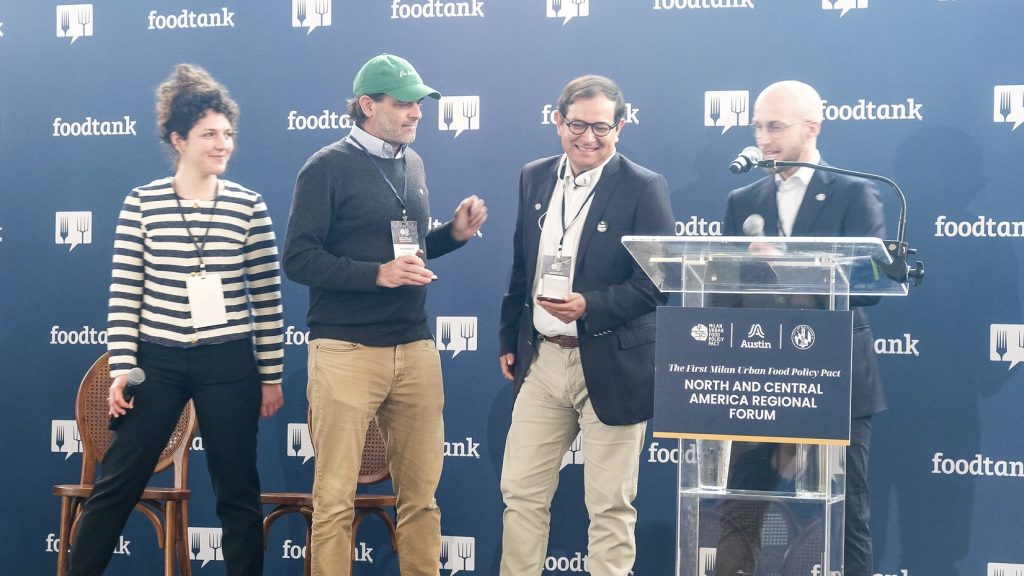
The programme continued with sessions highlighting best practices and emerging trends across the region, followed by a panel discussion on Food Governance & Participation, which explored the role of Food Policy Councils and their collaboration with municipal staff, featuring contributions from Karen Bassarab, Manager of the Food Policy Networks, and from Moe Garahan, Coordinator of the Food Communities Network and Executive Director of Just Food.
Later in the morning, Tia Schwab from C40 presented the BITE Project, offering insights into the initial phase of the Empowering Cities initiative. The project aims to address behavioral and communication challenges in implementing sustainable food policies at the city level, and improve residents’ perception of city food programs.
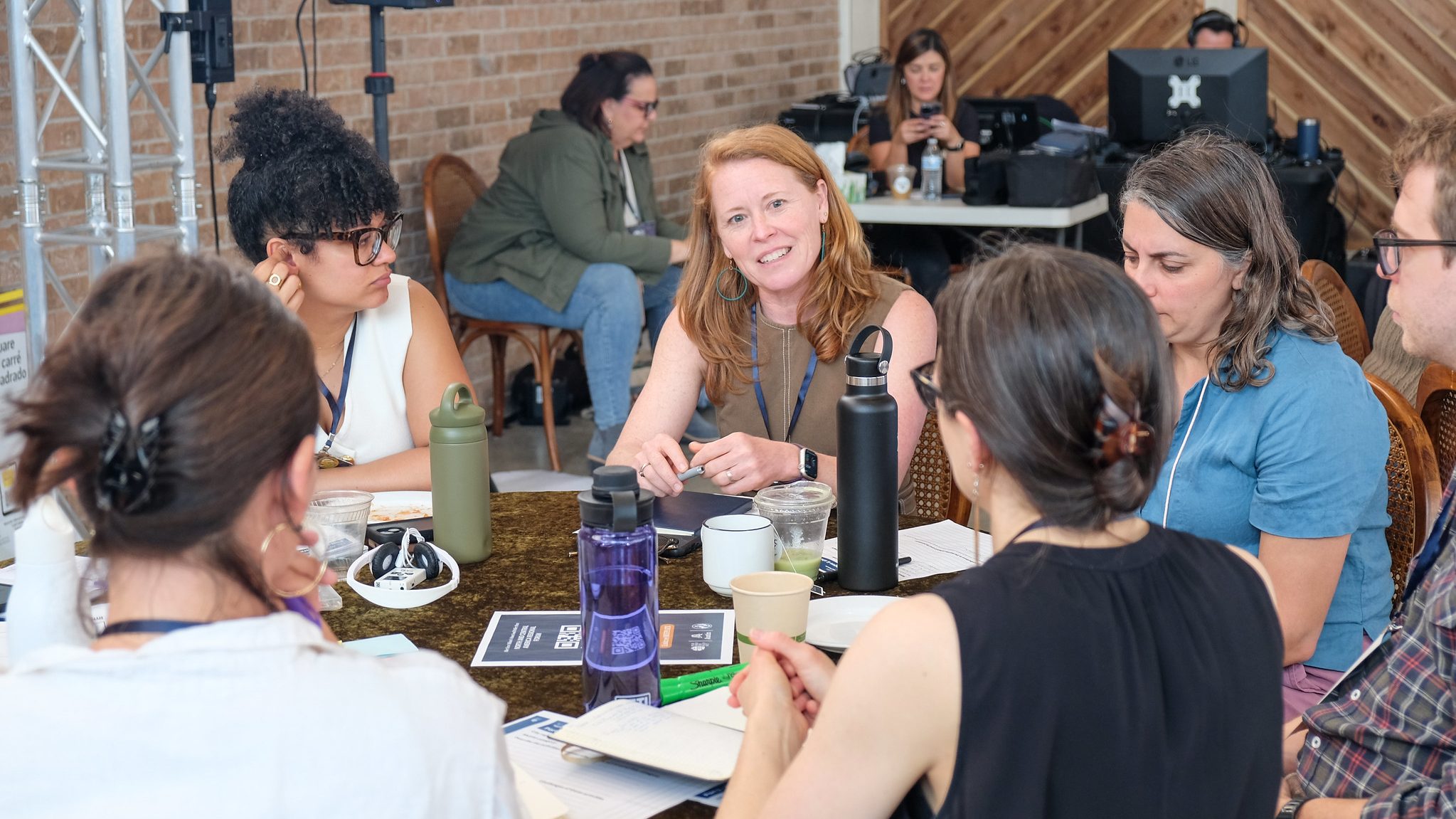
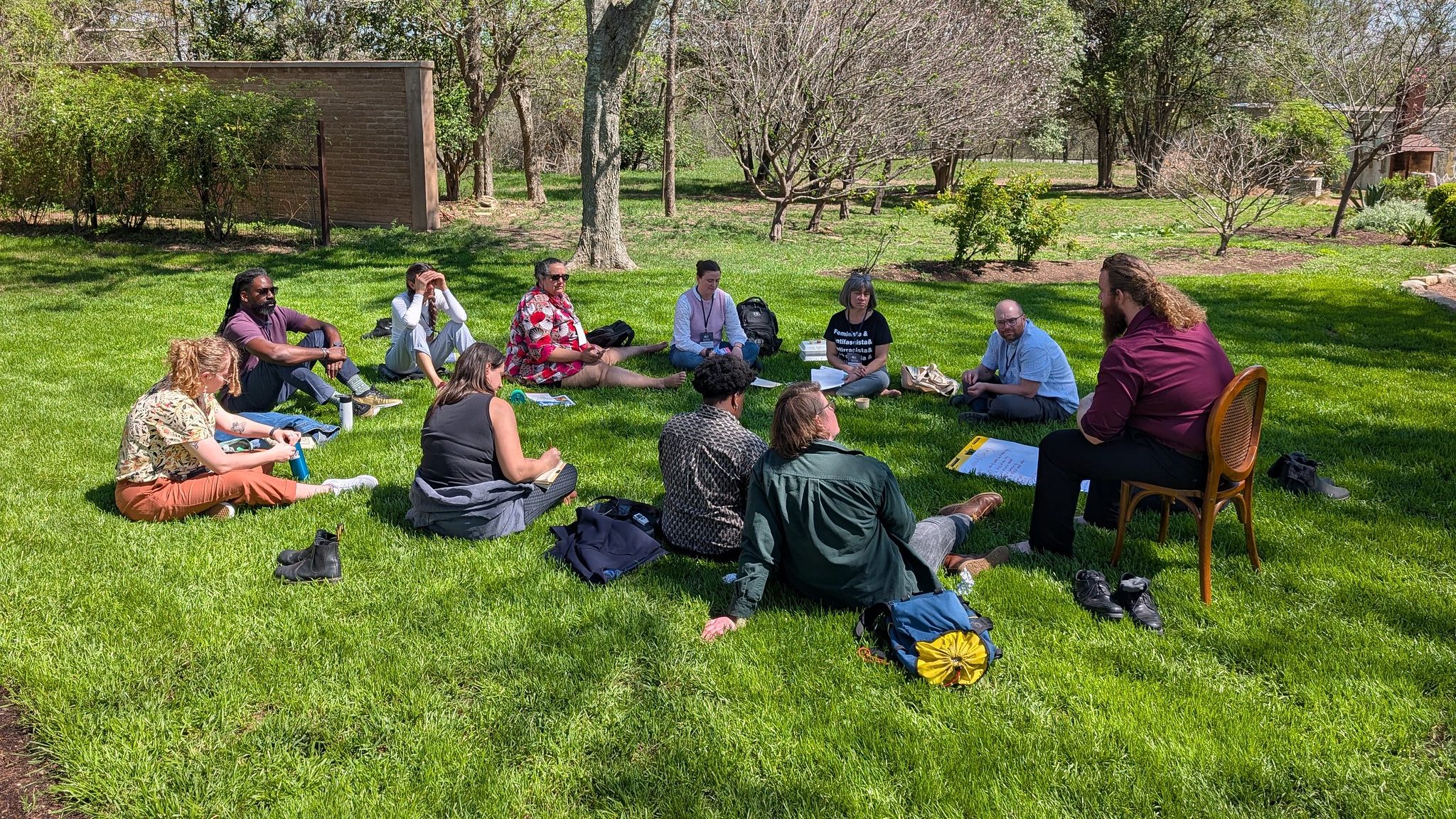
In the afternoon, participants engaged in breakout group discussions as part of the peer city exchanges, structured around the six categories of the MUFPP Framework for Action. These sessions were followed by deep-dive workshops focused on practical tools, shared challenges, and opportunities for regional collaboration.
The day concluded with a plenary session, From City Action to Regional Impact, where key reflections and priorities emerging from the group discussions were shared and were later channeled into the drafting of the regional roadmap.
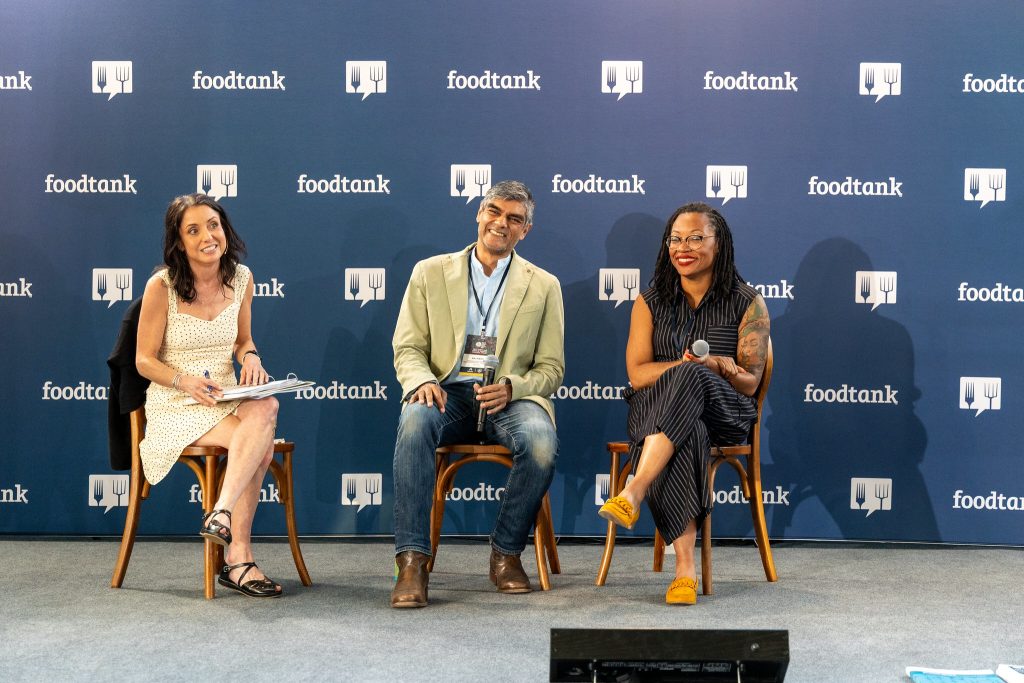
A keynote conversation featuring Raj Patel (IPES-Food) and Ashanté Reese (University of Texas at Austin) closed the Forum, inviting cities to act as catalysts for scaling food system transformation from the ground up in order to achieve broader impact.
Strategic Vision: The 2026–2028 Regional Roadmap
One of the primary outcomes of the Forum was the MUFPP North & Central America 2026–2028 Regional Roadmap, a strategic document that defined the path for the region’s signatory cities through 2028.
Designed to move from individual local initiatives toward a more coordinated regional approach, the roadmap sets out a vision of building a self-sustaining, cross-border network of over 50 cities, positioning the MUFPP network as a premier municipal platform for knowledge exchanges on food justice, sovereignty, and resilient value chains.
To achieve this, the roadmap is organised around four strategic pillars: strengthening regional coordination led by Austin and Mexico City, fostering data-driven knowledge exchanges, advancing advocacy at the national-level, and promoting joint fundraising efforts. By prioritizing practical actions—such as scaling school meal programs, securing urban land tenure, and developing climate-responsive food emergency plans—the roadmap provides a concrete path for cities to lead systemic transformation across the continent.
Looking Ahead
As cities in North & Central America increasingly step into leadership roles, the Regional Forum in Austin has proven that local action is the most effective testing ground for systemic change.
By aligning local policies with the MUFPP Framework, these cities are not just feeding their residents—they are building a more resilient, inclusive, and sustainable future for the entire continent.
The MUFPP Secretariat extends its gratitude to the City of Austin, the City of Baltimore, Food Tank, NRDC, Urban Roots, Central Texas Food Bank, Barr Mansion, Good Work Austin, and all participating delegates for their commitment to this transformative work.