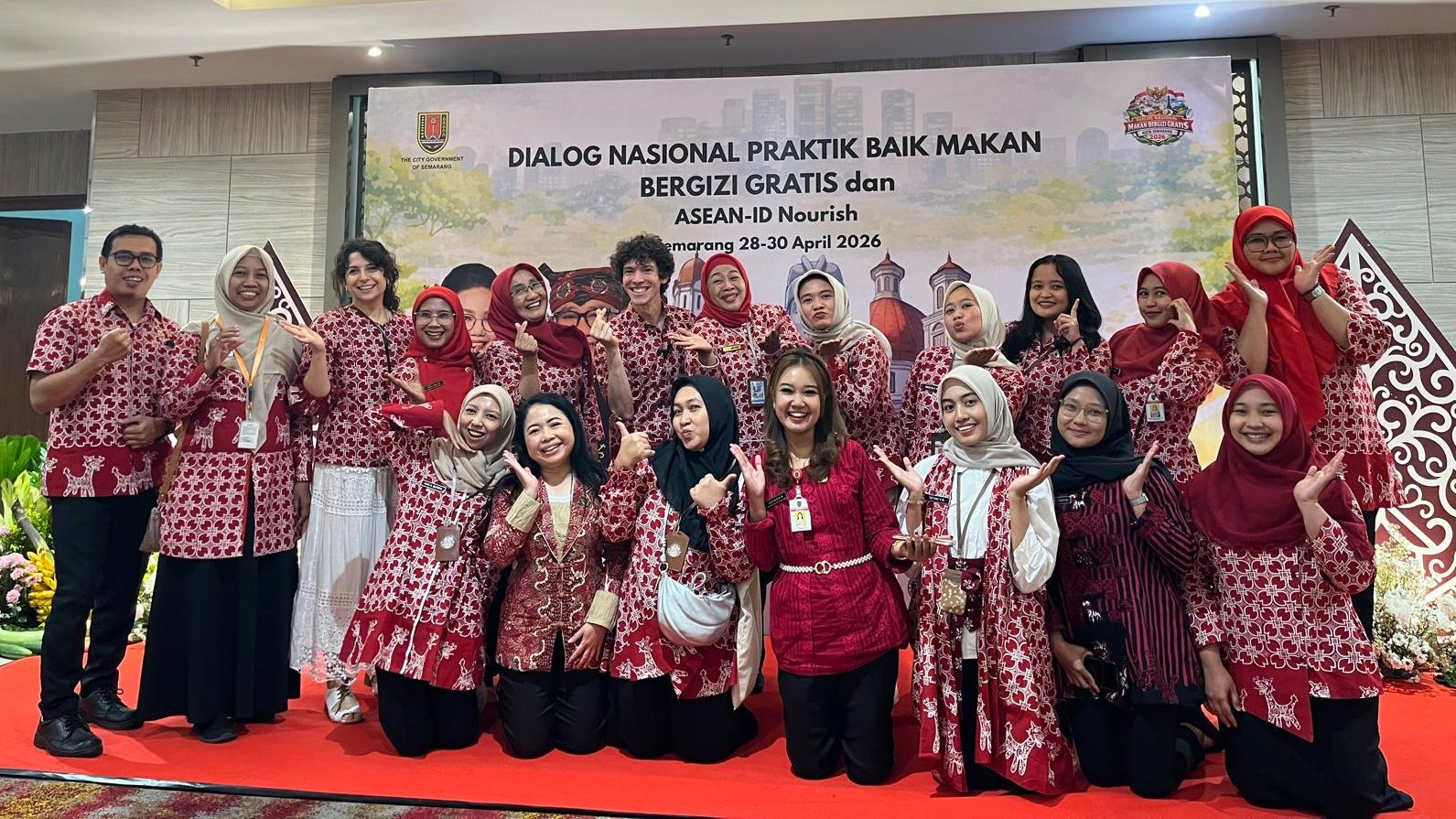
From 28 to 30 April, the National Dialogue on School Meals in Indonesia took place in Semarang, hosted by the Mayor of Semarang, Agustina Wilujeng Pramestuti, Champion Mayor of the Cities Feeding the Future Initiative within the School Meals Coalition, and member of the MUFPP Steering Committee for the 2026-2028 mandate.
The event is part of the project Boosting school meals in ASEAN cities: from knowledge to action led by MUFPP and ASEAN, and funded by the Italian Ministry of Foreign Affairs and International Cooperation.
In recent years, urban food systems have gained increasing attention across the ASEAN region, with a growing number of cities joining the MUFPP, which now includes 32 cities from the area, 19 of which are in Indonesia. Within this context, school meals programmes have emerged as a key entry point to address the “triple burden of malnutrition” — undernutrition, micronutrient deficiencies, and overweight — while promoting healthier diets and more sustainable food systems for future generations.
With the landmark launch in Indonesia of the national initiative Makan Bergizi Gratis (Free Nutritious Meals) by President Prabowo Subianto, school meals have become central to the country’s political agenda. In addition, in January 2025, Indonesia joined the School Meals Coalition, a government-led global initiative aiming to ensure that every child has access to a healthy, nutritious meal at school by 2030. In light of these ambitious developments, the role of local governments is crucial to ensure successful implementation.
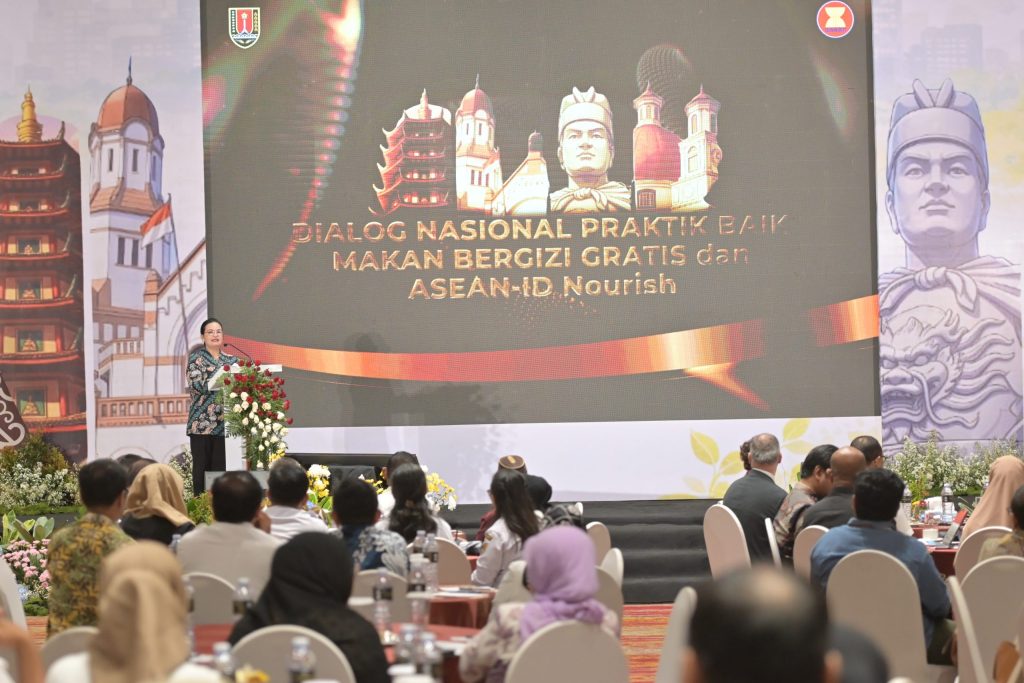
For this reason, the National Dialogue in Semarang was convened to strengthen collaboration across different levels of government to improve school meals programmes, and in particular to bridge the gap between cities and the national government. This exchange was supported by the scientific contributions of the Universitas Wahid Hasyim (UNWAHAS) and the Universitas Katolik Parahyangan (UNPAR), which gathered inputs through surveys from cities, national government representatives and SPPGs (Nutritional Service Units). The results of these, reflecting key inputs from different levels of government, provided the basis for identifying the most pressing topics addressed during the National Dialogue.
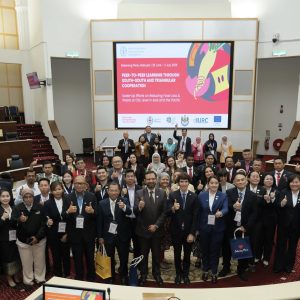
To discuss these issues, around 250 participants gathered in Semarang, including Mayors and/or representatives from 19 cities (Bandung, Balikpapan, Banjarbaru, Bogor, Bontang, Denpasar, Gorontalo, Makassar, Pekalongan, Pekanbaru, Tarakan, Tegal, Tual, Samarinda, Salatiga, Semarang, Surabaya, Surakarta, Yogyakarta), as well as representatives from the Indonesian Ministry of Home Affairs, the Ministry of Foreign Affairs, the Ministry of Environment, the Ministry of Agriculture, the National Food Agency, the National Nutrition Agency (BGN), the National Planning Agency and the Coordinating Ministry of Food Affairs, together with key international experts and representatives of the School Meals Coalition Secretariat and its newest Initiative, the School Meals Accelerator.
The event also featured remarks by the Deputy Head of Mission of the Italian Embassy in Jakarta, Massimiliano Bertollo, and the Ambassador of the Republic of Indonesia to Italy, Prof. Dr. Junimart Girsang, while the Vice Mayor of Milan in charge of Food Policy, Anna Scavuzzo, shared a video message emphasising the significance of this National Dialogue within the framework of the School Meals Coalition, hoping that Indonesia will play an increasingly important role.
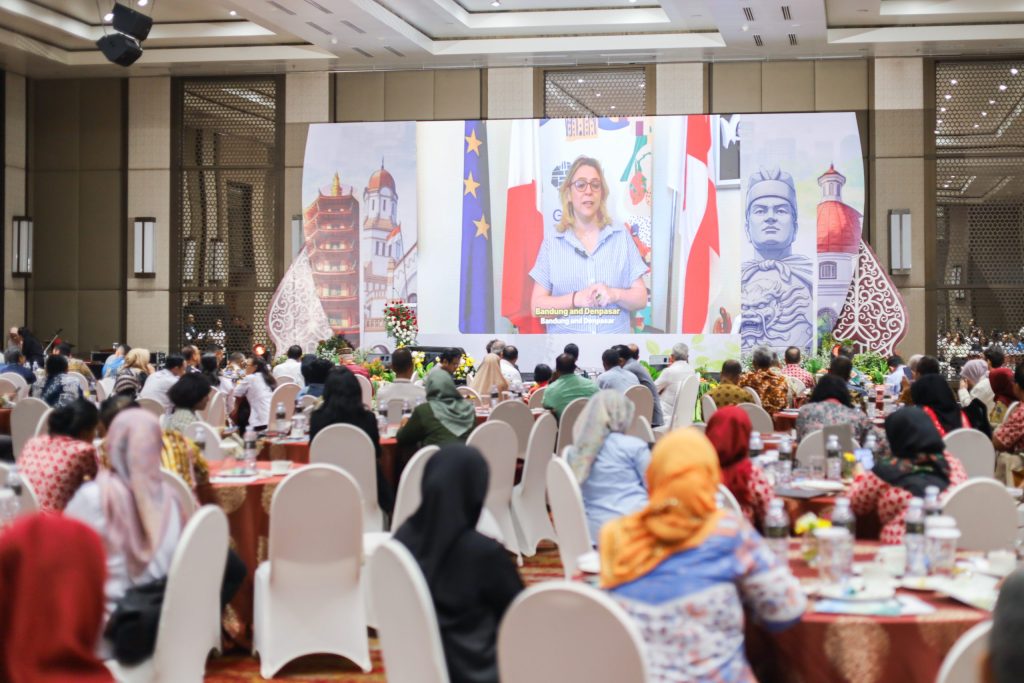
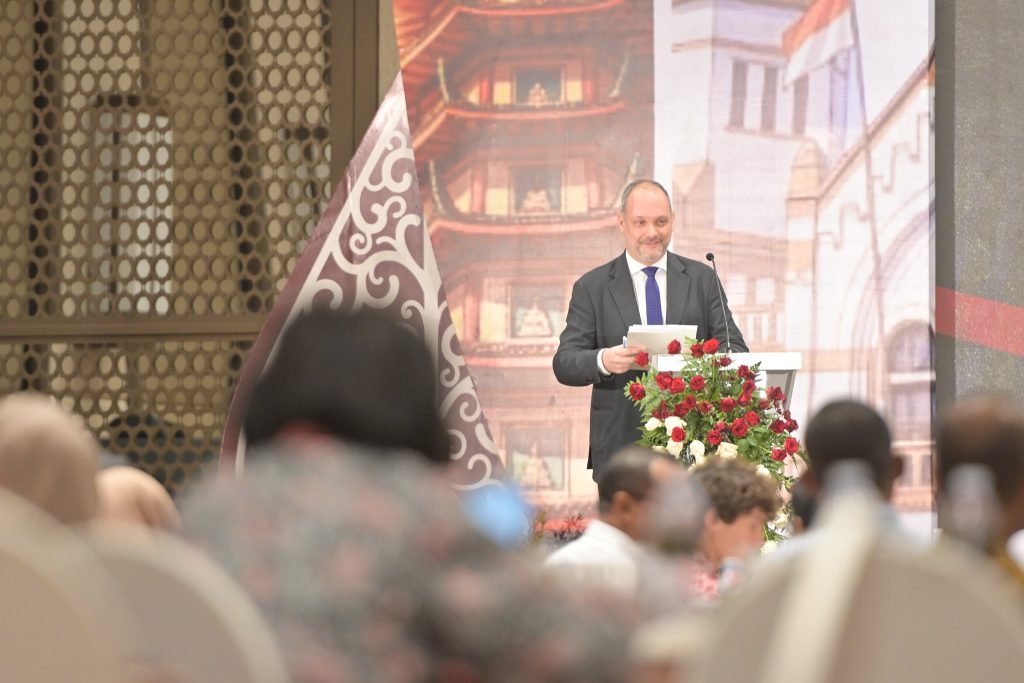
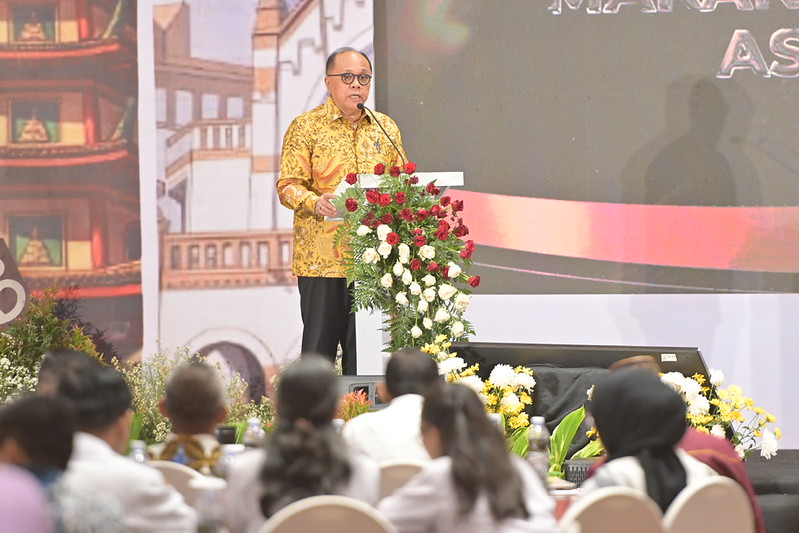
On the 28th of April, the side event ASEAN-ID Nourish Forum, convened by the Ministry of Foreign Affairs of the Republic of Indonesia and the National Nutrition Agency, brought together international high-level representatives, with a focus on experiences from ASEAN Member States and the role of partnerships to elevate school meals program in ASEAN. During the session, the MUFPP Director, Filippo Gavazzeni, shared the Milan Pact experience within the projects in collaboration with ASEAN, stressing that the National Dialogue should be seen as a starting point, whose outcomes will inform guidelines to support local governments in implementing the national Makan Bergizi Gratis programme.
In the evening, the Welcoming Dinner was inaugurated by the Mayor of Semarang, who welcomed the participants and emphasised the importance of such a unique and necessary opportunity for addressing shared challenges.
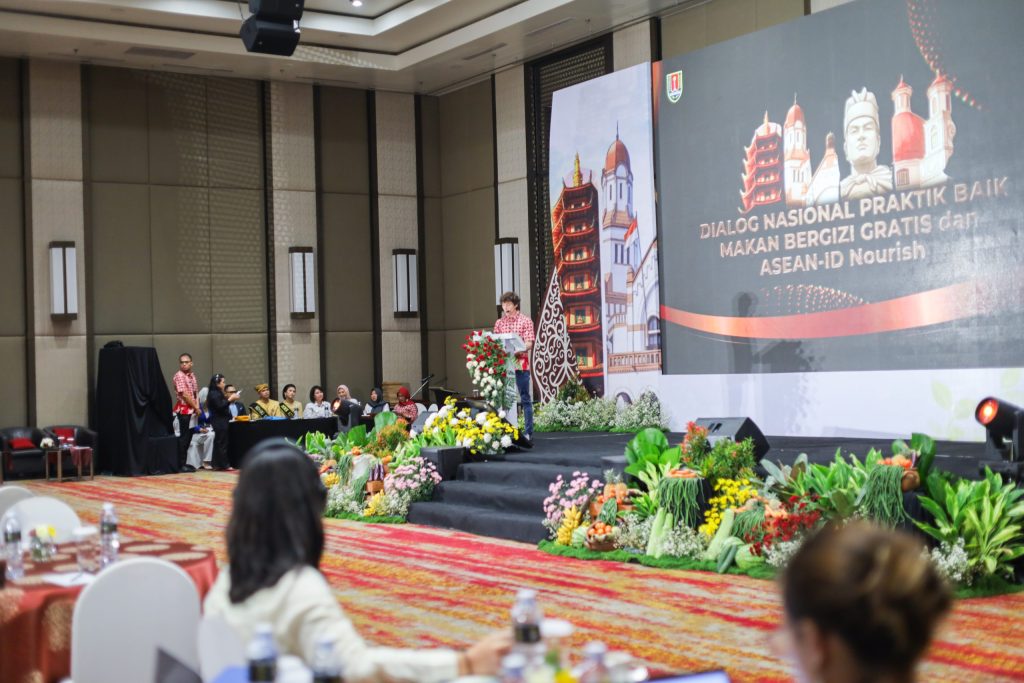
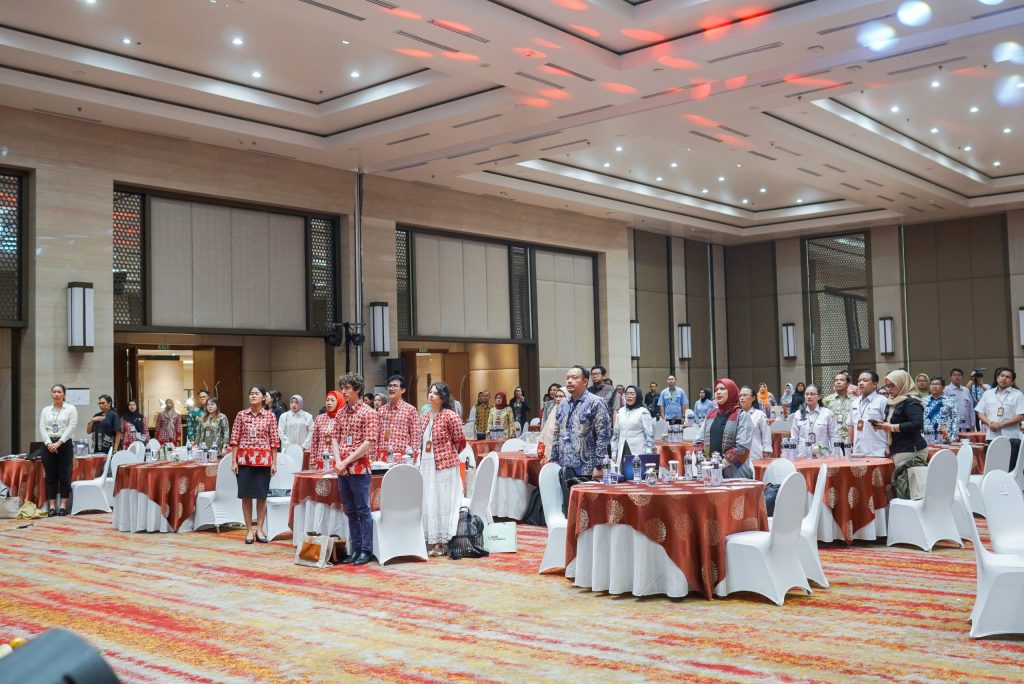
On the 29th of April, during the Opening Ceremony of the National Dialogue, the key findings from the surveys were presented by the Rector of the UNWAHAS University, Dr. Ir. H. Helmy Purwanto, and by Dr Theresia Gunawan, Lecturer at UNPAR. This segment was followed by an in-depth exploration of the most pressing issues, featuring high-level experts. The main priorities identified included:
- The role of local governments in maintaining production, availability, price stability, and supply to support the MBG Programme;
- The role of local governments in issuing hygiene and sanitation adequacy certificates, ensuring food safety, and monitoring nutritional status;
- The prevention and management of food and packaging waste, including recycling systems, as well as education.
These priorities were discussed during the afternoon interactive sessions, engaging over 150 participants from different cities and ministries, in facilitated group discussions to exchange perspectives and develop collaborative solutions.
The key outputs from the dialogues during the breakout sessions were reported in the plenary during the Closing Session.
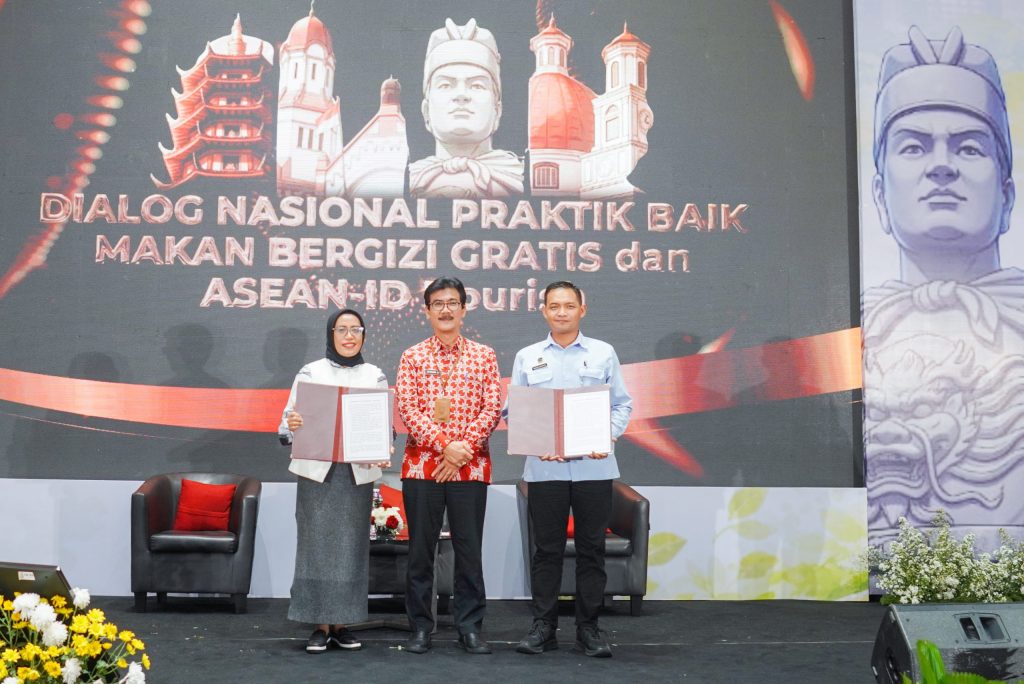
Building from these outputs, the Semarang Declaration was drafted and adopted by consensus, affirming that the Free Nutritious Meal Programme can be further strengthened through an enhanced role of local governments. Their contribution includes ensuring food availability and price stability, guaranteeing food safety and nutrition standards, preventing and managing food and packaging waste, and supporting the development of new local food service units (SPPGs) in partnership with relevant stakeholders. The cities also called for stronger coordination and communication with the National Nutrition Agency to maximise the programme’s impact on public health, human capital development, economic growth, and social cohesion. To support effective implementation, the MUFPP Indonesian cities network agreed to develop the “Semarang Guidelines”, with recommendations to strengthen cities’ role in the implementation of the Free Nutritious Meals programme.
A copy of the Semarang Declaration was then formally handed over to the city representatives and ministry officials.
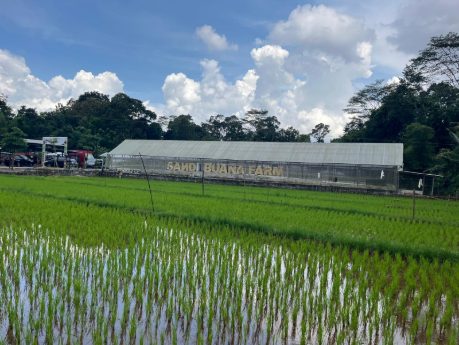
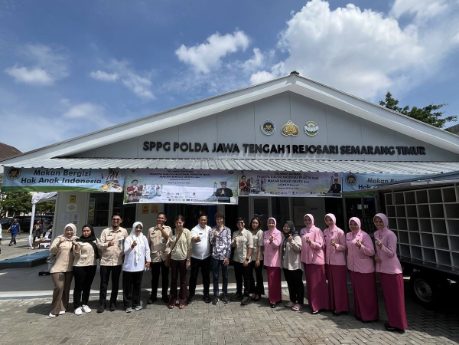
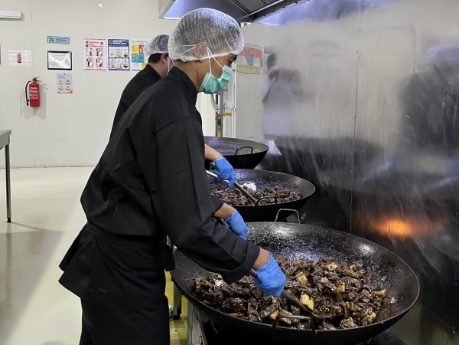
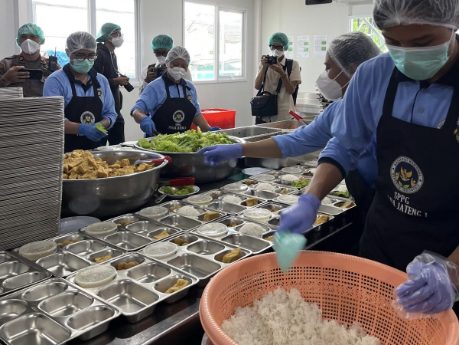
On the final day, 30 April, a meeting with MUFPP Indonesian cities took place, followed by a field visit to three Nutrition Service Units (SPPG Polda Jateng, SPPG Unimus and SPPG Pedalangan), as well as a visits to rice fields, and Sandi Buana Farm (a hydroponic demonstration farm showcasing sustainable and nutrition-sensitive agriculture) and a tour of the City of Semarang.