What if your local farmers’ market wasn’t just a place to buy fresh tomatoes, but a powerful tool to fight climate change, boost neighbourhood health, and support the local economy?
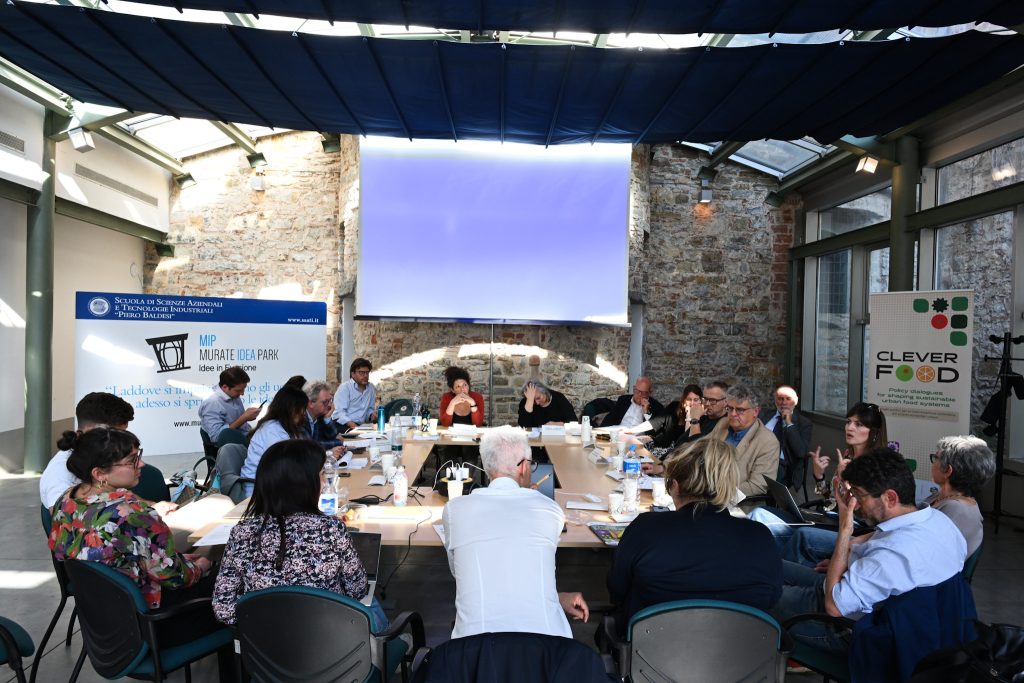
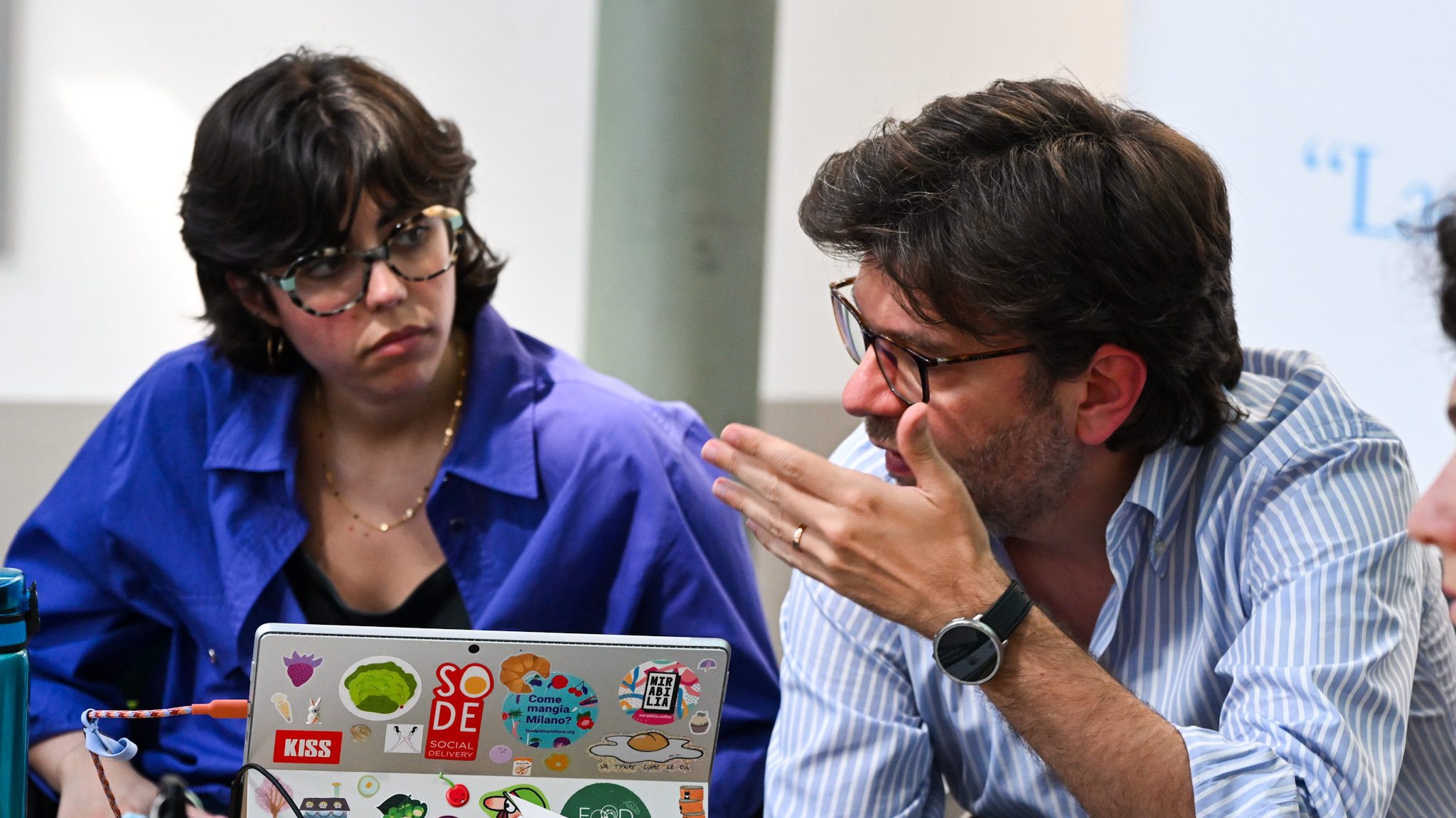
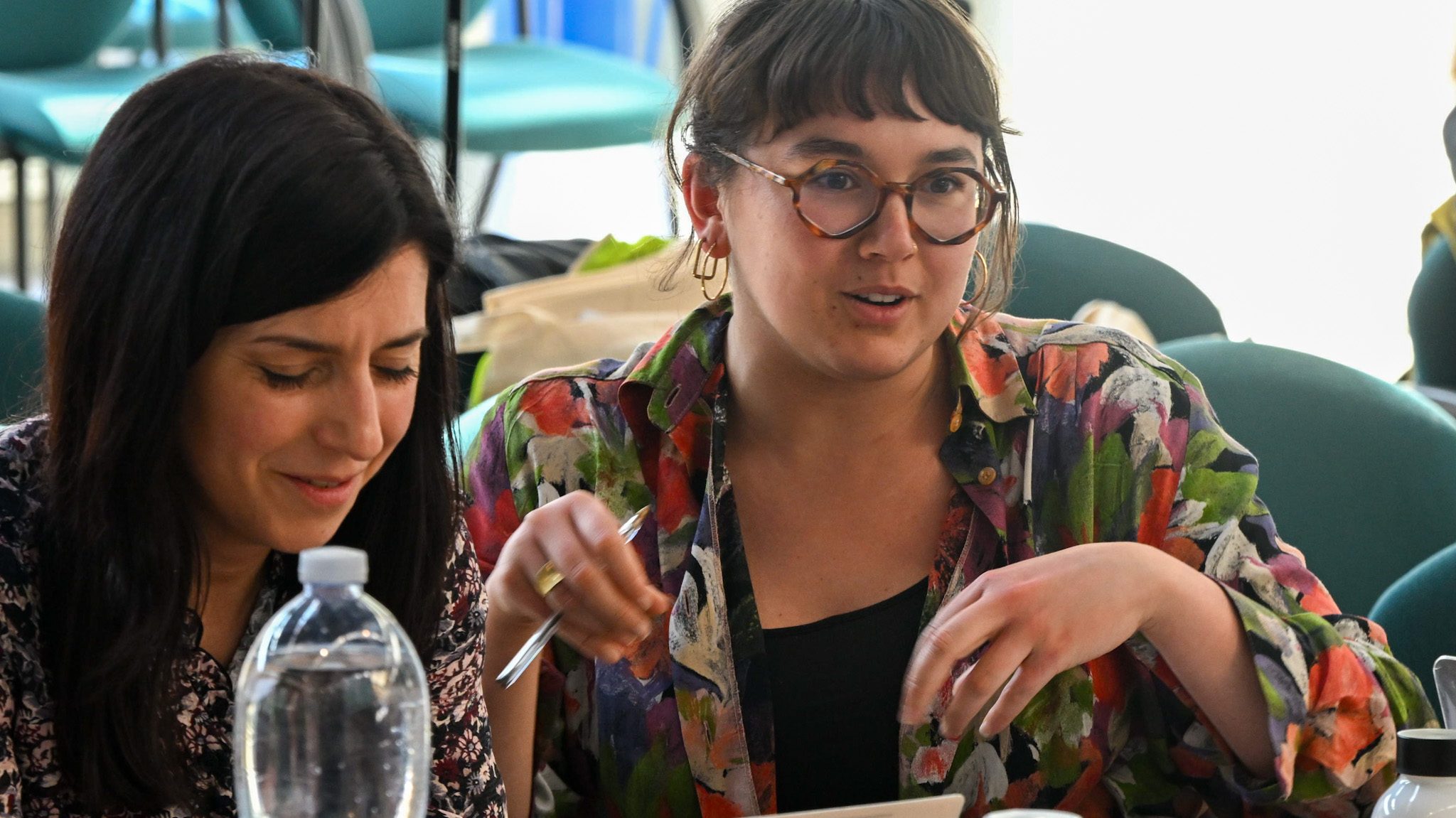
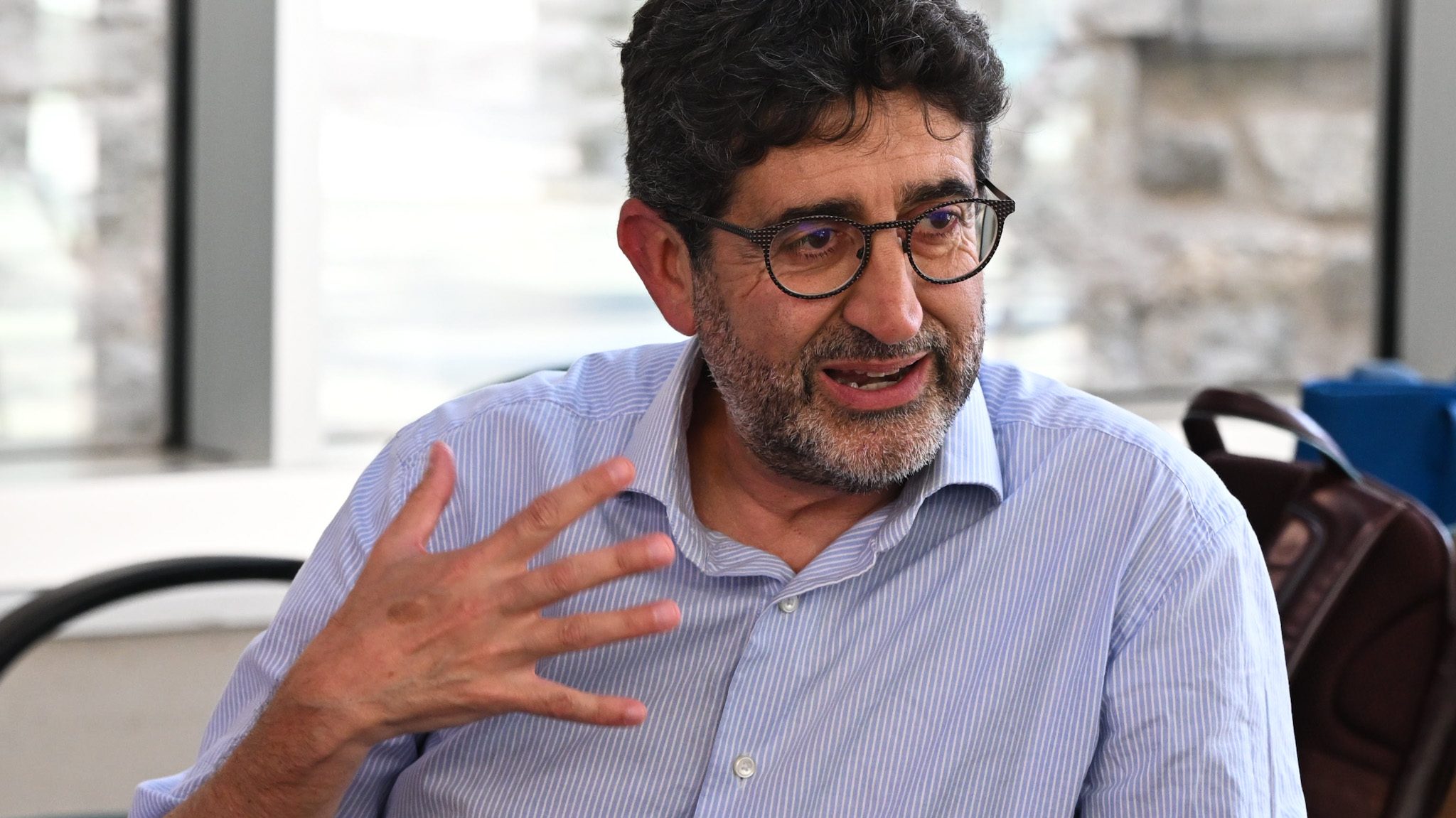
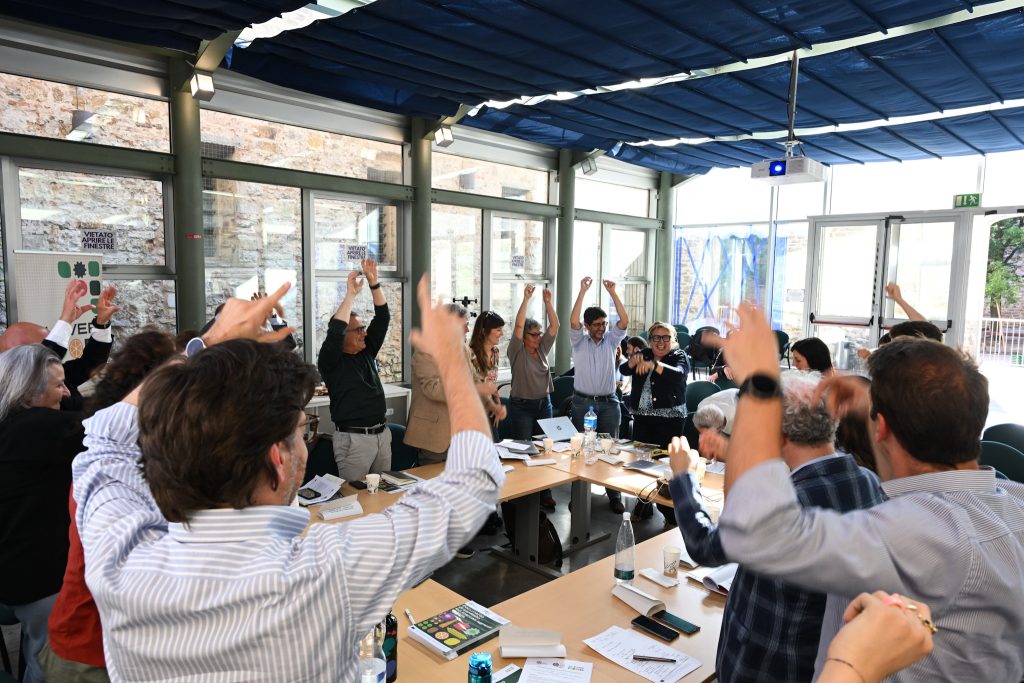
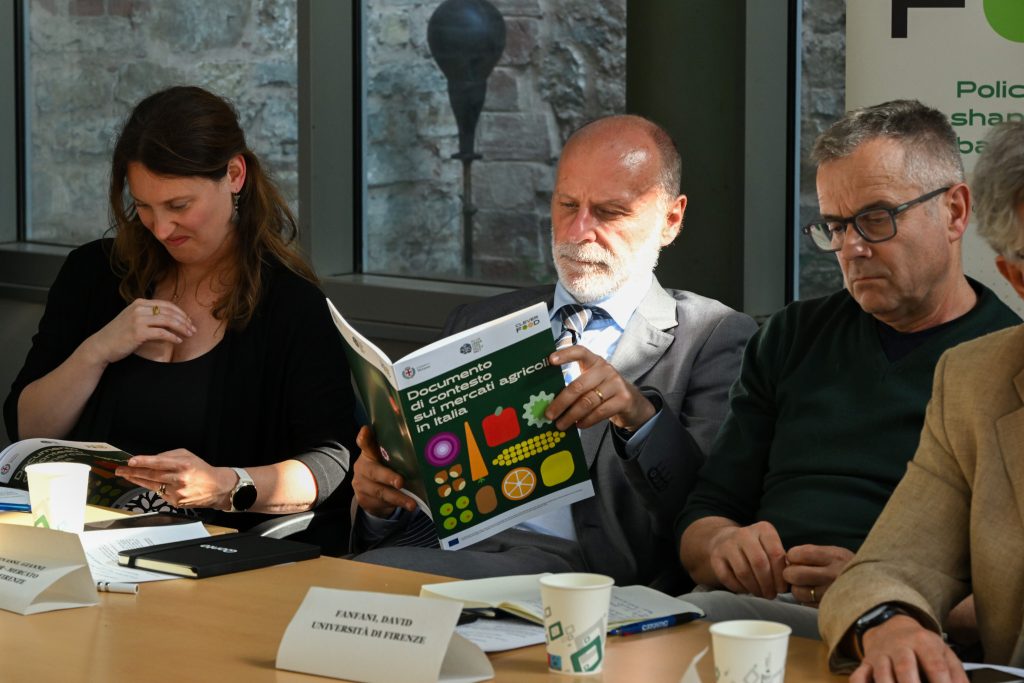
This was the central question in Florence on May 20, 2026, as city officials, food experts, and community leaders gathered in a former 15th-century convent and later 19th-century penitentiary for the second Italian National Dialogue on Urban Markets.
Organized by the Milan Urban Food Policy Pact as part of the European CLEVERFOOD project and within the framework of the MUFPP Regional Forum Europe and the Eurocities Working Group Food meeting, the dialogue aimed to transform everyday conversations about food into meaningful political action across Europe.
The event brought together around 20 of Italy’s leading food policy experts. City officials from municipalities such as Florence, Bologna, Rome, Turin, Trento and Milan, alongside representatives from organisations like Slow Food, Terra!, wholesale market managers from Florence and Parma, and researchers from Cibusalus and the University of Florence, came together for a lively and fruitful exchange.
Markets as Community Hubs
The discussion moved far beyond the traditional view of markets as places of commerce. Rather than viewing them as mere rows of stalls, participants explored how to turn markets into neighbourhood food hubs that strengthen communities and local food systems.
Three major themes emerged as the keys to unlocking the true potential of urban food markets:
More than grocery stores: Experts emphasised that agricultural markets are vital social spaces. They connect urban consumers directly with rural producers, foster a sense of community, and make healthy, fresh food more accessible across diverse neighbourhoods.
Cutting the red tape: A major topic of discussion was the complex web of rules that market organizers must navigate. From national laws governing direct farm sales to strict municipal permits for public spaces, the current legal framework can be restrictive. Participants debated how cities can work together to make these regulations more flexible and innovative.
Shielding Cities from Crises: In an era of global supply chain disruptions, local food systems are more important than ever. The roundtable discussed how thriving local markets act as a safety net, making cities more resilient to global food shocks.
As the main organizer, the MUFPP shared inspiring insights from its own backyard. Building on the success of the first Italian National Dialogue on Urban Markets (held in March 2026 at a new farmers’ market in Milan), the city demonstrated how targeted local policies can successfully bring short supply chains right to the heart of urban neighbourhoods.
What Happens Next: The Road to Terra Madre
The ideas sparked in Florence won’t just stay on paper. The ultimate goal of the CLEVERFOOD National Dialogues is to turn these collaborative workshops into concrete policy recommendations.
The ideas and outcomes from both the Milan and Florence dialogues are paving the way for the third and final National Dialogue, taking place at Slow Food’s flagship international event, the world-renowned Terra Madre Salone del Gusto (Turin, September 2026). There, organizers will pitch these urban-level solutions directly to regional governments, national ministers, and European Union lawmakers to shape the future of food policy on a grand scale.
About the CLEVERFOOD Project: Italy’s National Dialogues on sustainable food policies are spearheaded by the Municipality of Milan within the CLEVERFOOD framework—a project funded by the European Union dedicated to fostering sustainable, inclusive, and resilient food systems across the continent.