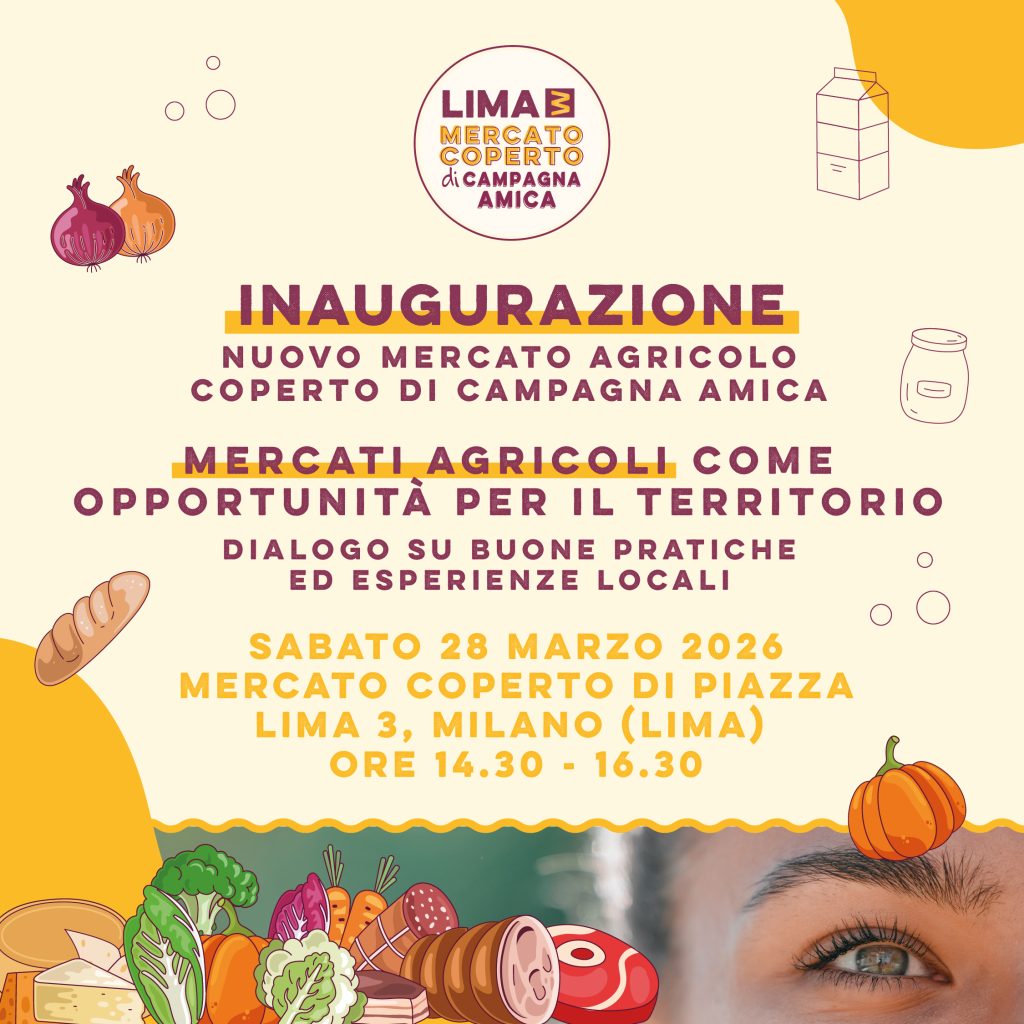
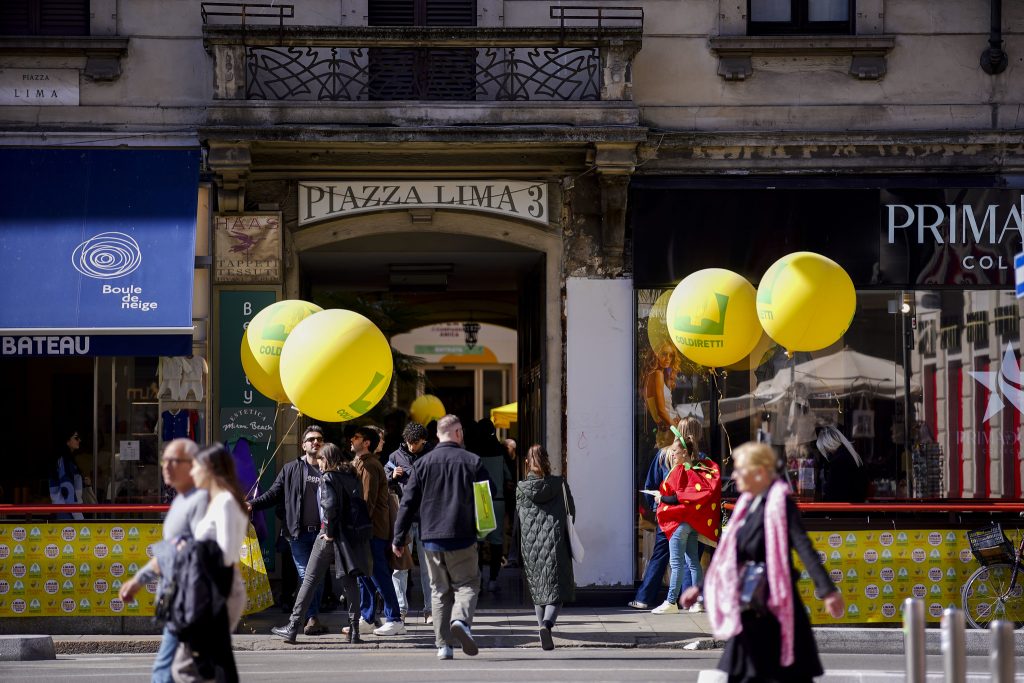
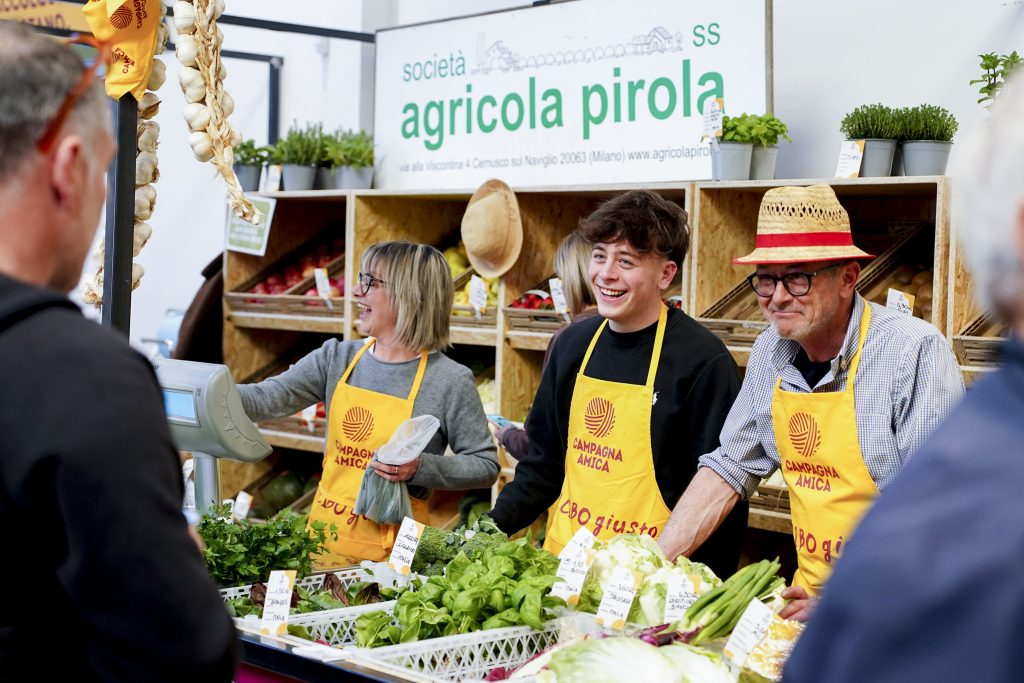
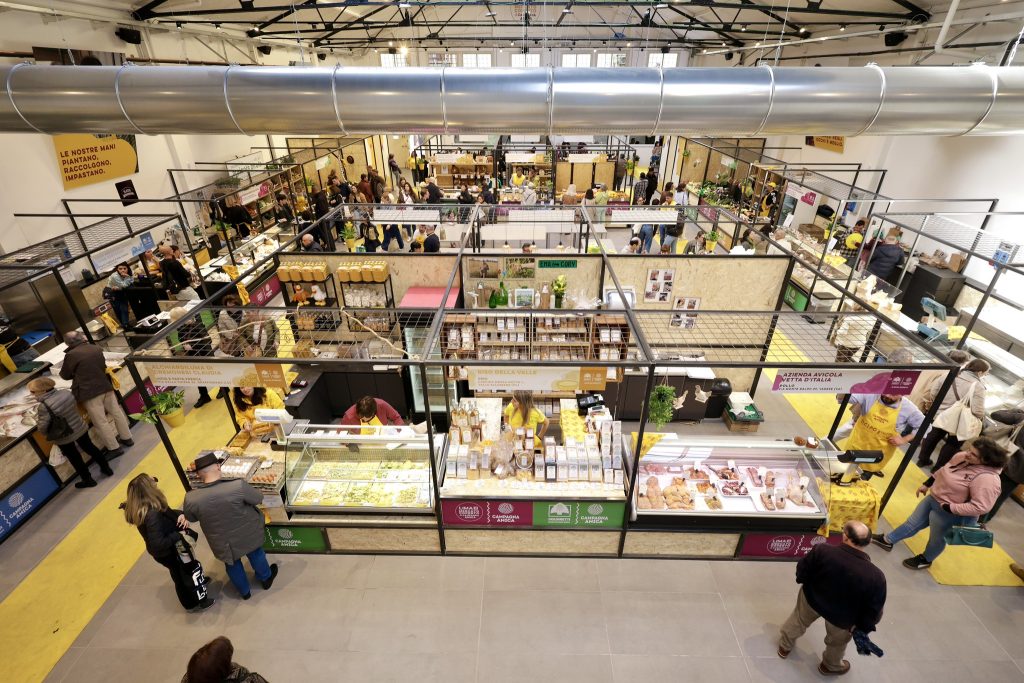
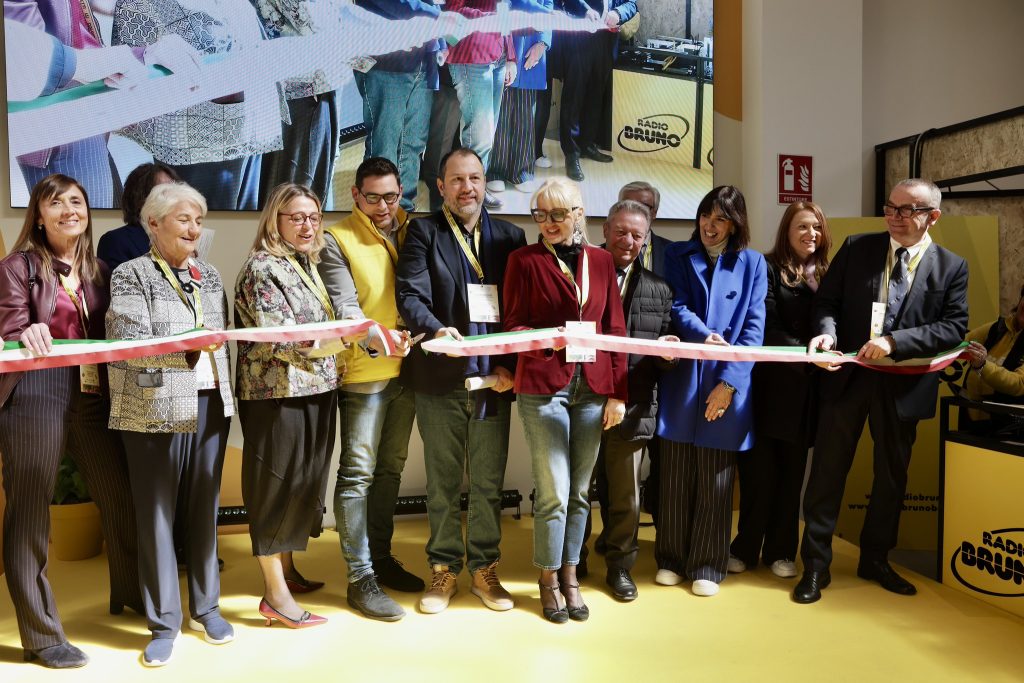
In a significant step for urban food governance, the City of Milan recently organised the first in a series of three National Dialogues on urban markets, within the framework of the European CLEVERFOOD project. The event took place alongside the inauguration of a new covered farmers’ market in Milan, made possible through a partnership between Coldiretti (the leading Italian association representing and supporting farmers) and the Municipality of Milan, aimed at bringing peri-urban farm products into the city.
The first dialogue focused on “Farmers’ markets as an opportunity for the territory“, exploring how these hubs function as essential tools for urban food policy. By moving beyond the physical opening of a market, Milan is leveraging its local experience to spearhead a national conversation on the institutional and social value of short supply chains in urban areas.
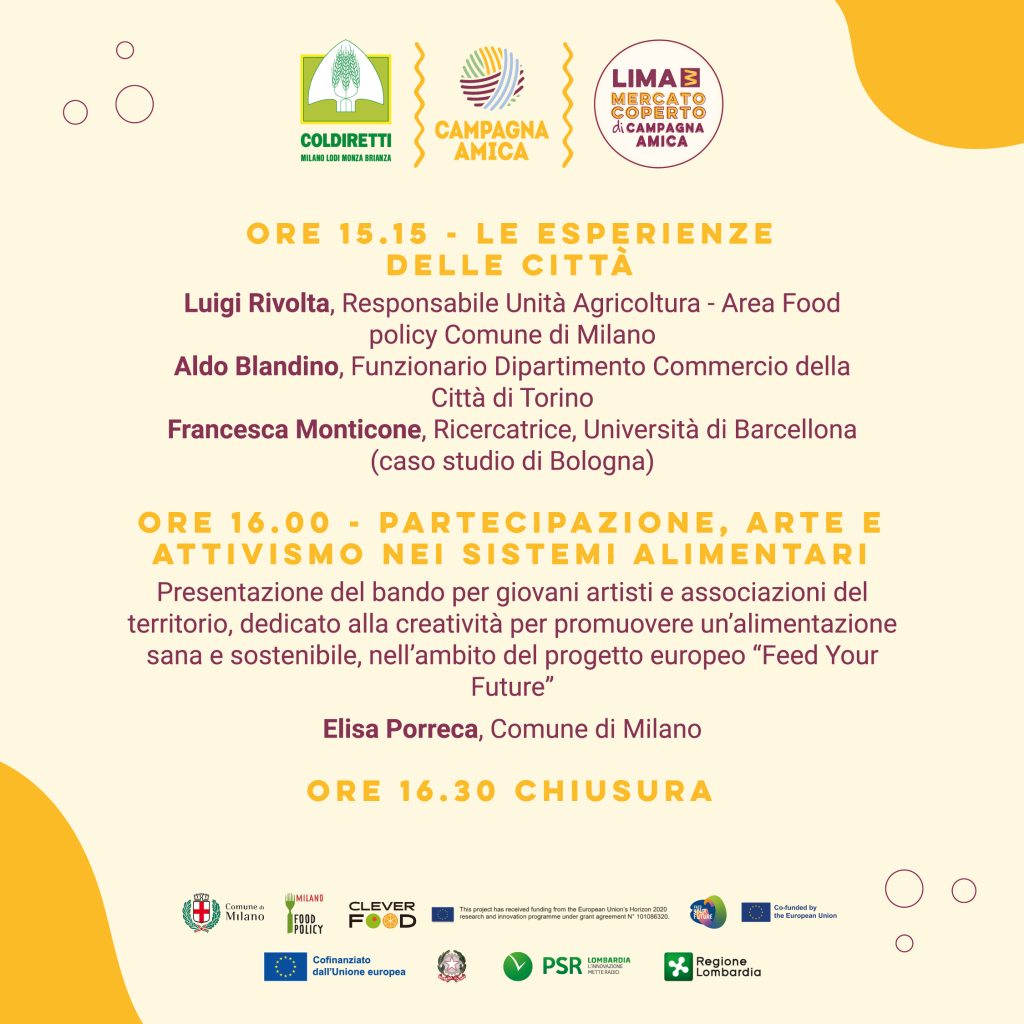
The CLEVERFOOD project is central to this initiative, aimed at accelerating the sustainable transformation of the European food system by involving; different levels of governance in order to develop policy recommendations for the European Commission. As emerged during the session, while urban markets are ideal to support this transition, the challenge lies in shifting from isolated best practices to scalable, standardised policies across Europe.
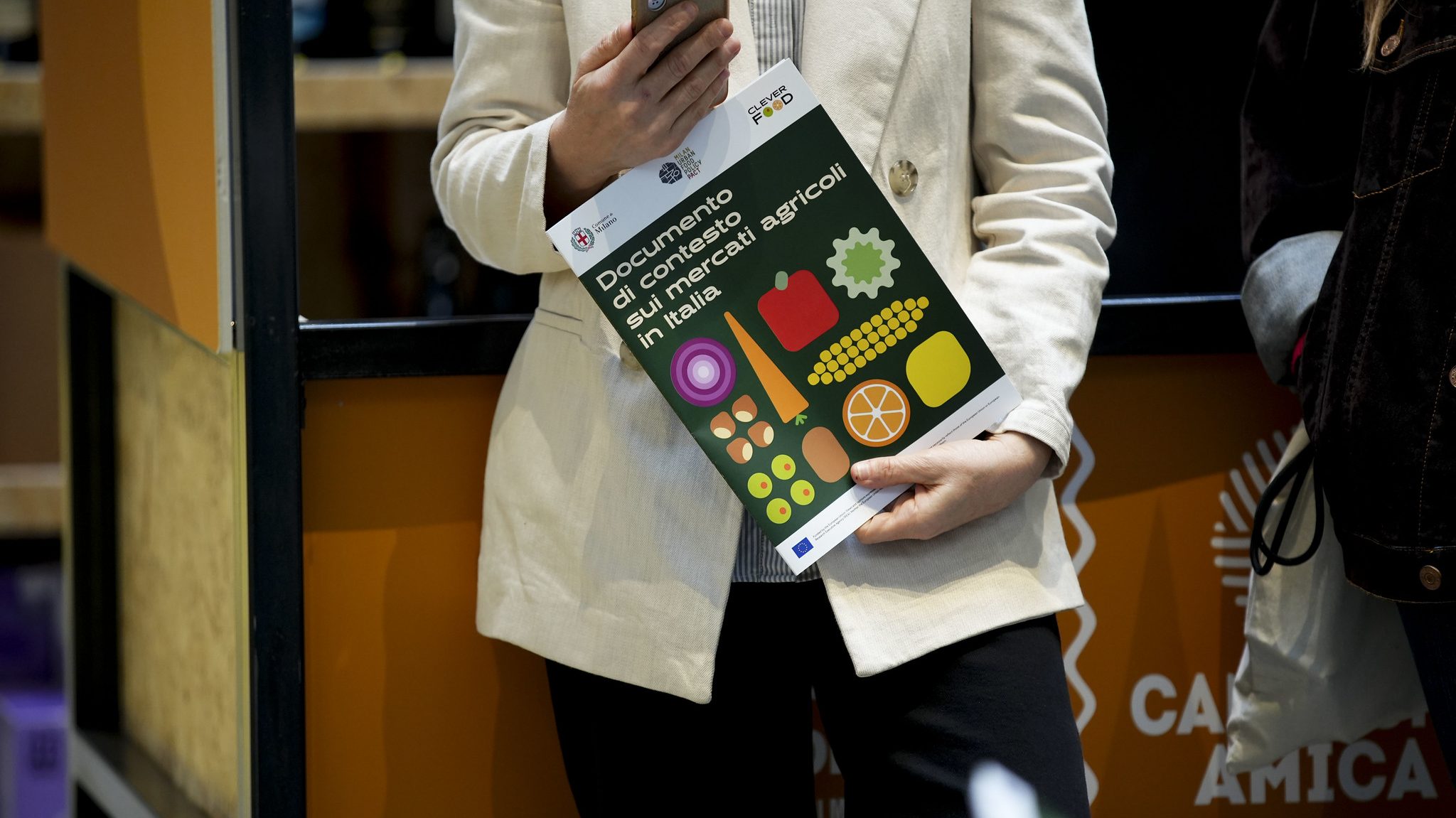
On the occasion of the event, a Context paper on agricultural markets in Italy, developed within the framework of the CLEVERFOOD project, was also circulated. The document is designed to support an ongoing dialogue among stakeholders, offering evidence and analysis that can serve as a shared knowledge base to encourage collective reflection and inform the development of operational policy recommendations.
As Milan continues its series of dialogues, this initiative is gradually taking shape as a longer-term process aimed at strengthening the connection between rural areas and cities. In this perspective, farmers’ markets are increasingly framed not only as places of exchange, but as spaces where food policy, civic engagement and territorial development intersect—contributing to a more resilient and food-secure Europe.
Stakeholders and city perspectives and policy barriers
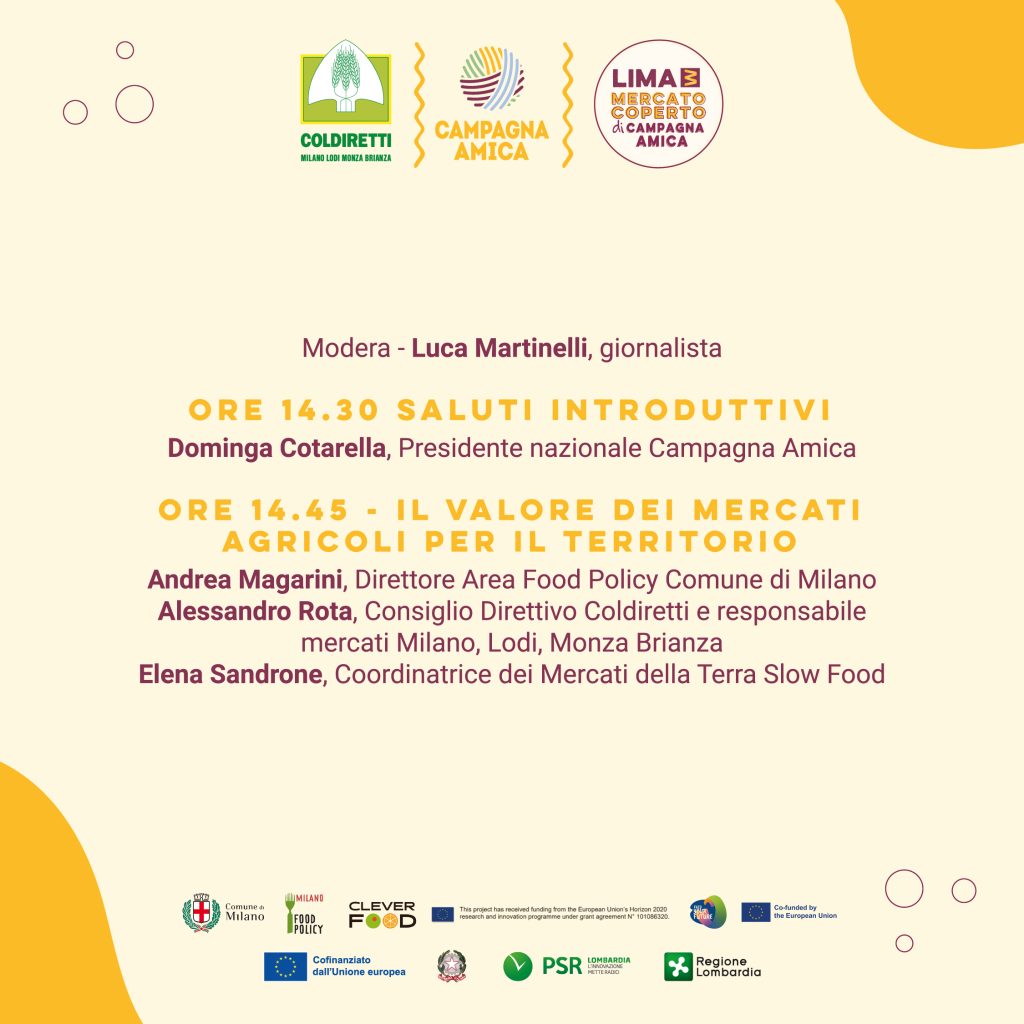
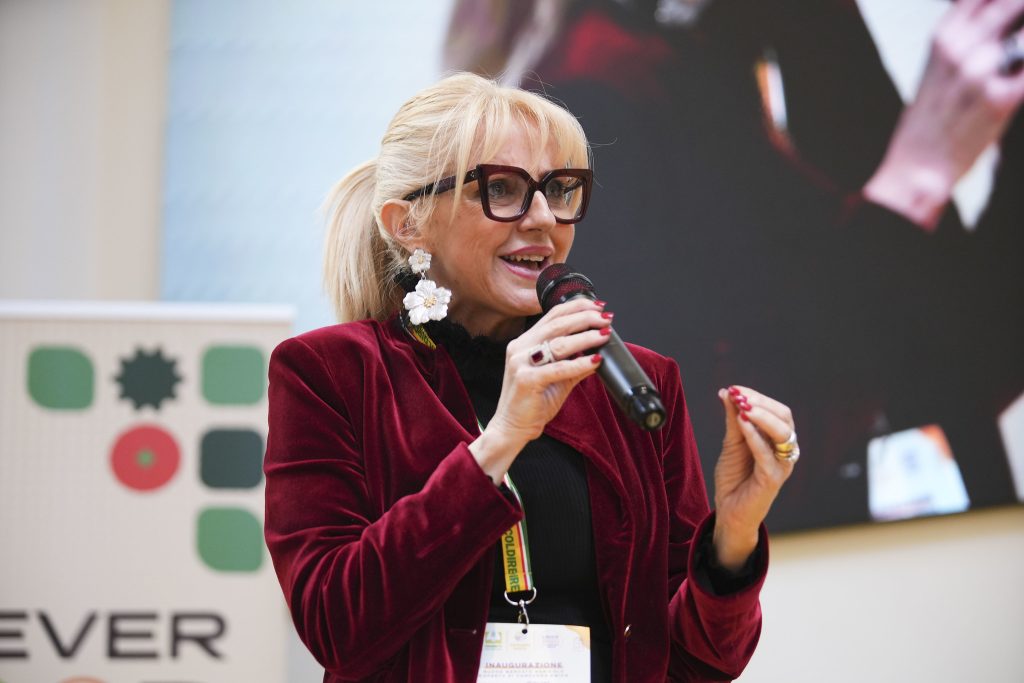
The opening panel brought together key stakeholders to discuss the multifaceted value of agricultural markets. Dominga Cotarella (National President of Campagna Amica) opened the session with institutional remarks, emphasising the market’s role in fostering direct connections between producers and citizens.Andrea Magarini (Director of the Food Policy Area of the City of Milan) provided an overview of urban food policy implementation in Europe and of Italian cities participating in the MUFPP network, highlighting their key role in supporting urban agriculture and strengthening short supply chains. Alessandro Rota (Coldiretti Board of Directors) highlighted the economic and territorial importance of these spaces. From Coldiretti’s perspective, the market is a vital infrastructure that ensures fair income for farmers while guaranteeing fresh, traceable, and sustainable food for urban dwellers. Elena Sandrone (Coordinator of Slow Food Earth Markets) provided a perspective rooted in “Good, Clean, and Fair” food. She emphasized that markets must be more than mere points of sale; they should function as educational hubs that preserve biodiversity and promote food literacy within the community.
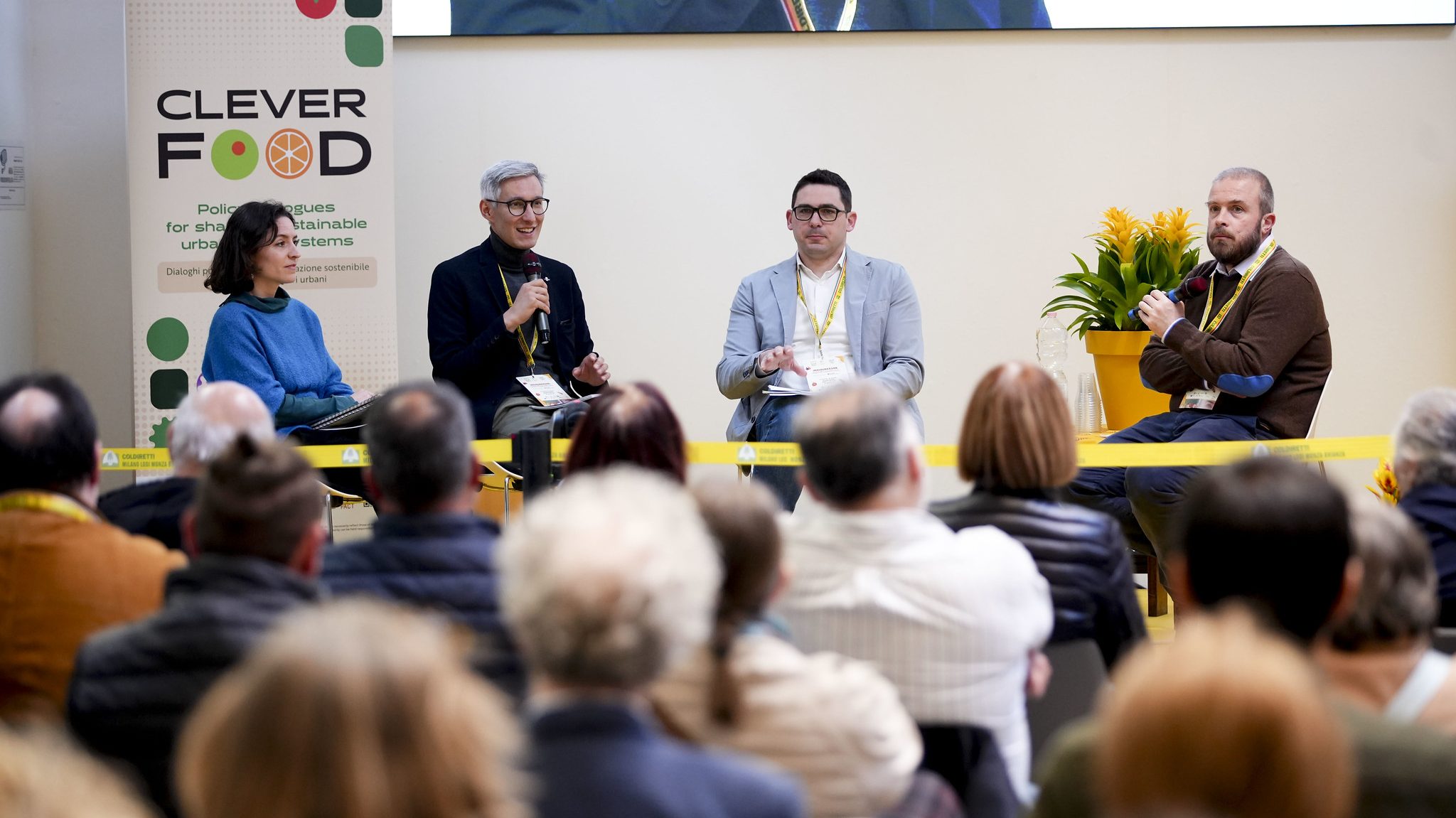
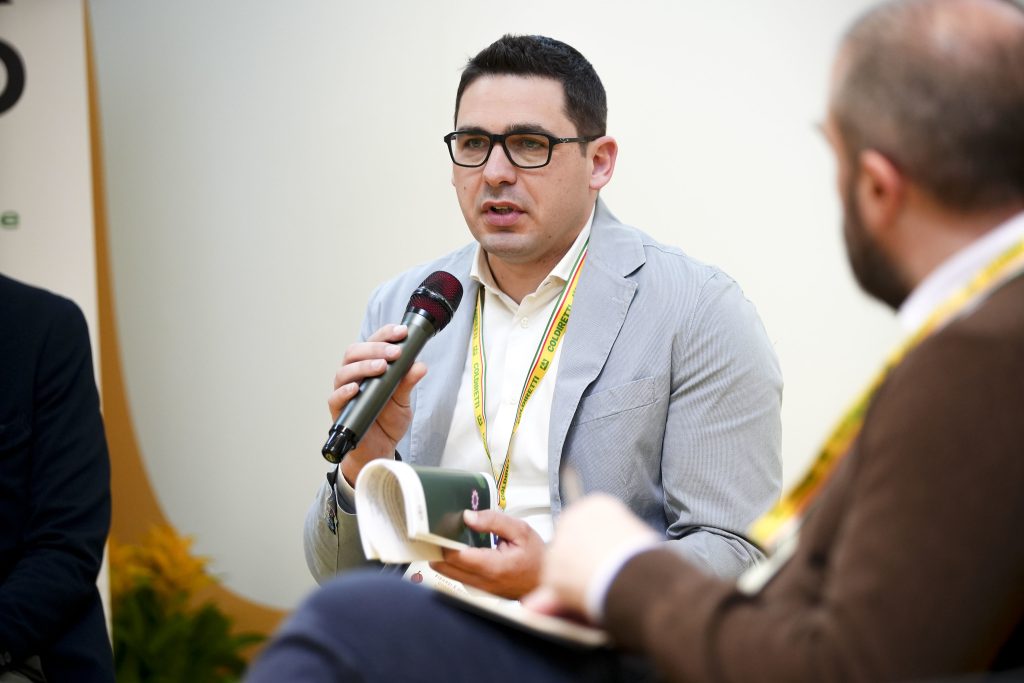
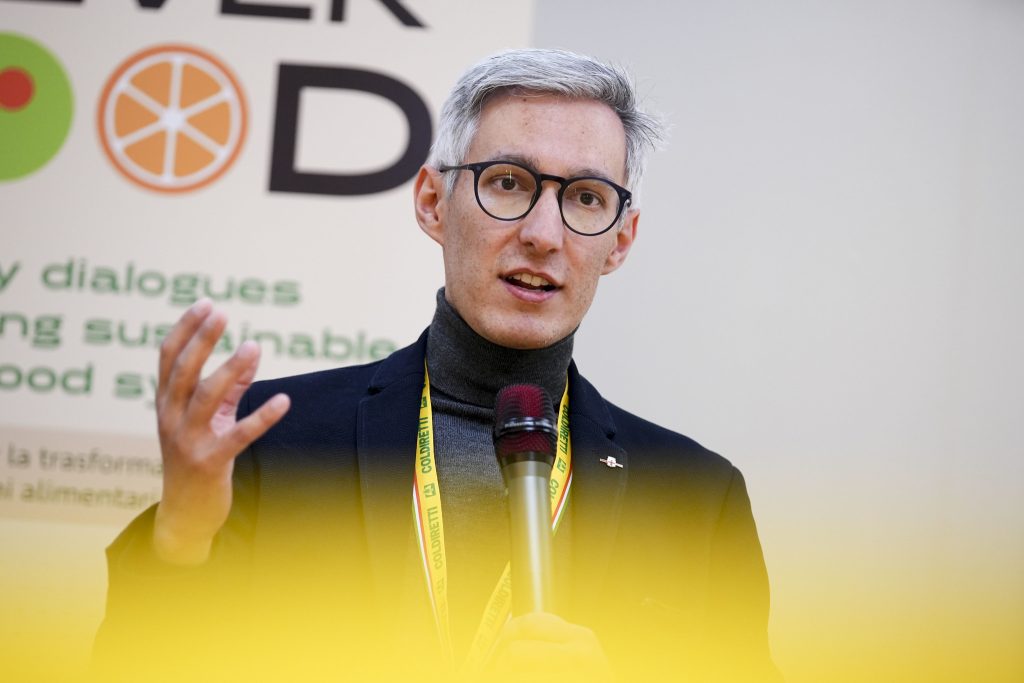
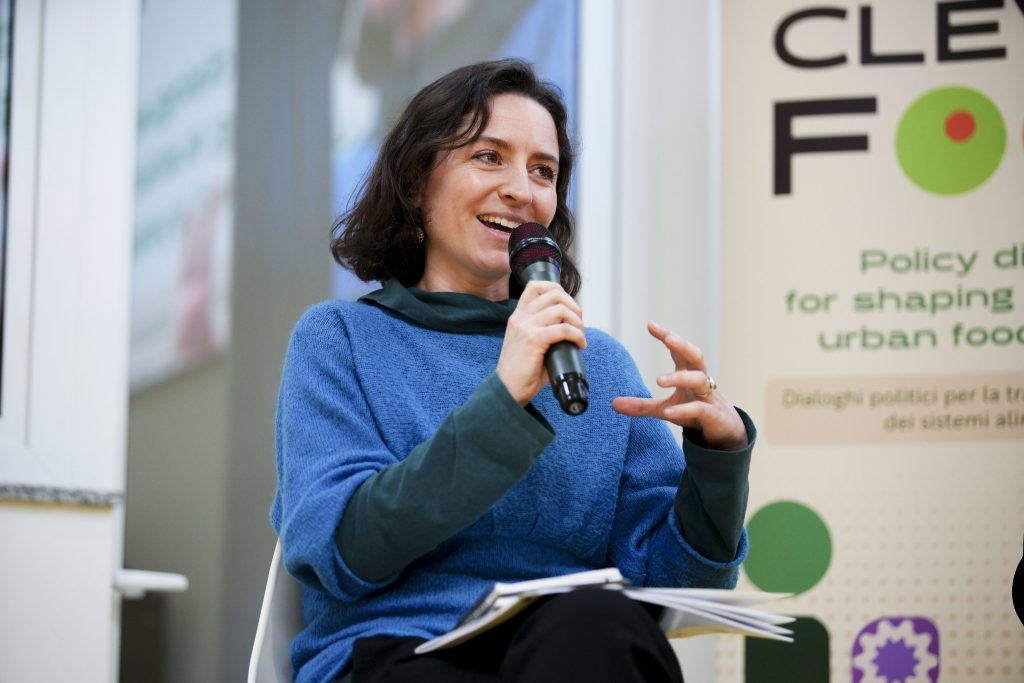
The event alsofacilitated a high-level exchange between key Italian cities,offering insights into how different urban contexts are shaping and supporting farmers’ markets across the country.
Luigi Rivolta from the Agriculture Unit of the City of Milan described a city where agriculture still plays a surprisingl central role; in fact, few people know that Milan is Italy’s second-largest agricultural city. The city has developed a structured approach to supporting local food systems, combining regulatory tools with strategic infrastructure. Through its Food Policy and the implementation of the “De Castro” Decree (a key law that modernised the agricultural sector by simplifying direct sales from farmers to consumers), the city has created favourable conditions for direct sales, managing a network of 25 farmers’ markets, 10 of which are located on public land. These efforts are complemented by major infrastructures such as Foody-SoGeMi, Italy’s largest wholesale fruit and vegetable market, and by ongoing collaborations with organisations like Campagna Amica and Slow Food, all contributing to strengthening the link between urban consumers and agricultural production.
A similarly strong commitment emerged from Turin, where Aldo Blandino from the Department of Commerce outlined a long-standing market system that has been progressively adapted to contemporary needs. The city supports an extensive direct sales network, featuring 14 farmers’ markets and reserved spaces for producers across all 40 municipal markets, for a total of more than 1,700 weekly stalls, most notably in the historic Porta Palazzo Market area.
This system is supported by a specific municipal regulatory framework, which ensures the predominance of farm-grown products, guarantees traceability, and promotes environmental sustainability. At the same time, the administration encourages farmer participation through reduced fees and seasonal flexibility, strengthening the accessibility for small and medium producers.
Turin’s strategy to reinforce short supply chains is also supported by digital innovation, in particular the multilingual TORINOMERCATI app, which guides citizens and visitors through the history, locations, and distinctive offerings of each farmers’ market in the city, helping to connect urban consumers more closely with local producers. Aldo closed his presentation by inviting participants to the flagship Slow Food biannual gathering Terra Madre, which will take place from 24 to 28 September in Turin and will be spread across different locations in the city centre.
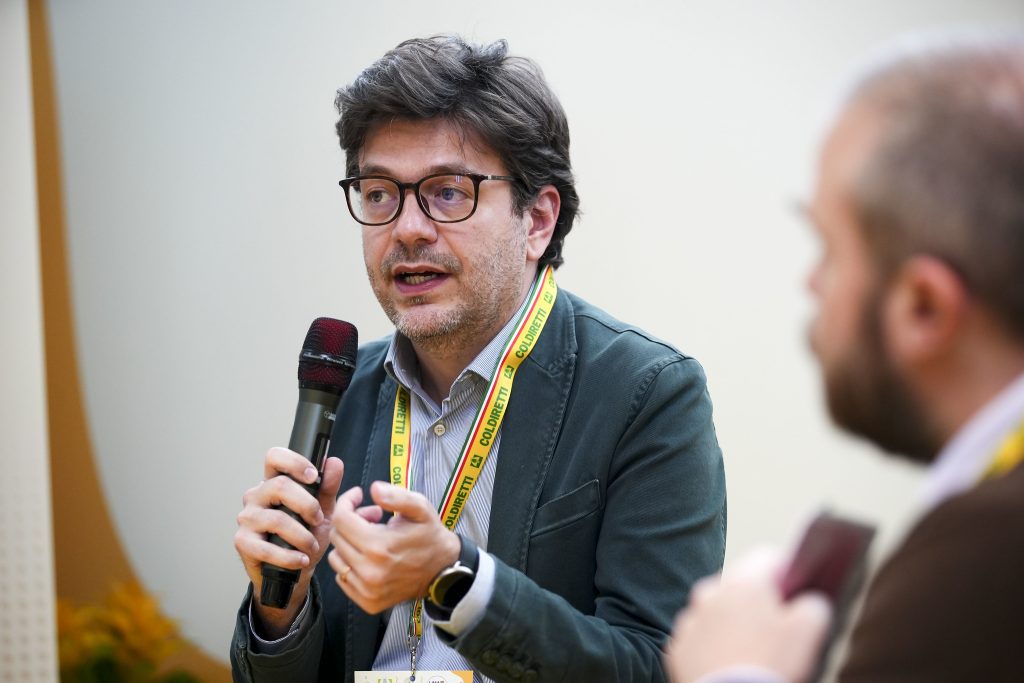
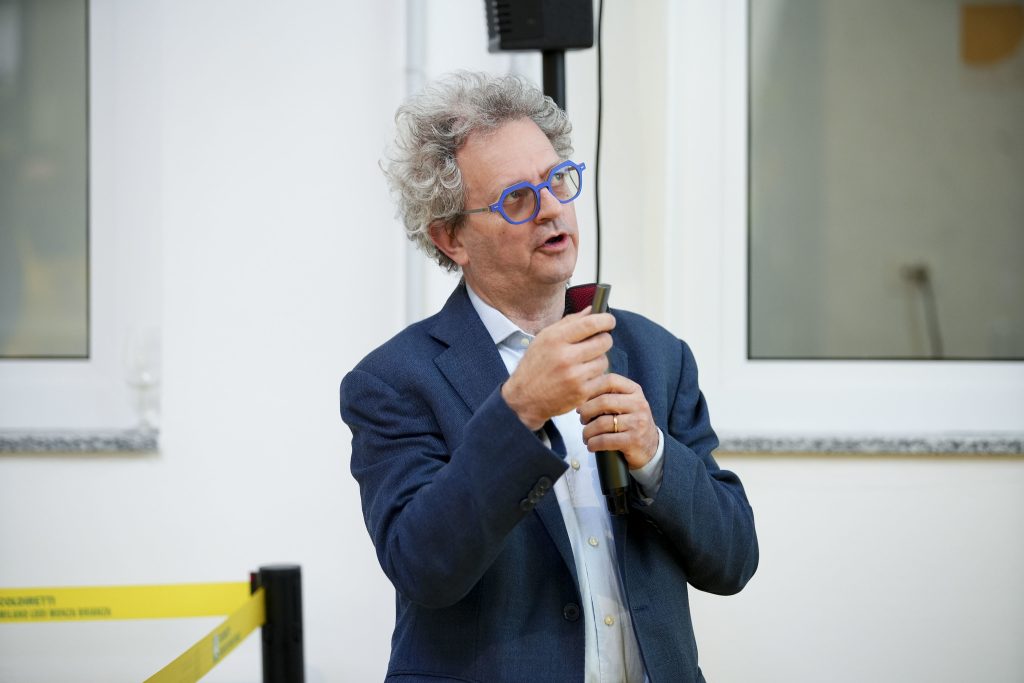
The experience of Bologna, presented through a case study by researcher Francesca Monticone (University of Barcelona), offered yet another perspective—one that highlights the potential of flexible governance. In 2022, the city introduced a new regulation for direct sales markets that has since become a national reference point. By allowing markets to operate in both public and private spaces, and by introducing mobile formats capable of reaching different neighbourhoods, Bologna has expanded access to local food while supporting collaboration among small producers. The result is a dynamic network of 21 markets, coordinated in part through the Campi Aperti Association, which today involves nearly 200 producers and brings local, organic food into the everyday lives of thousands of citizens.
After the presentation, journalist Luca Martinelli moderated a discussion in which a series of critical barriers to the further development of farmers’ markets were highlighted. Panelists stressed the need for greater regulatory simplification, calling for more agile municipal rules and streamlined procedures for stall allocation in order to better support young agricultural entrepreneurs entering the sector. At the same time, transparency and the genuine local origin of products emerged as key priorities: ensuring a truly short supply chain, it was noted, requires closer coordination between local authorities and trade associations to effectively verify the territorial provenance of agricultural goods.
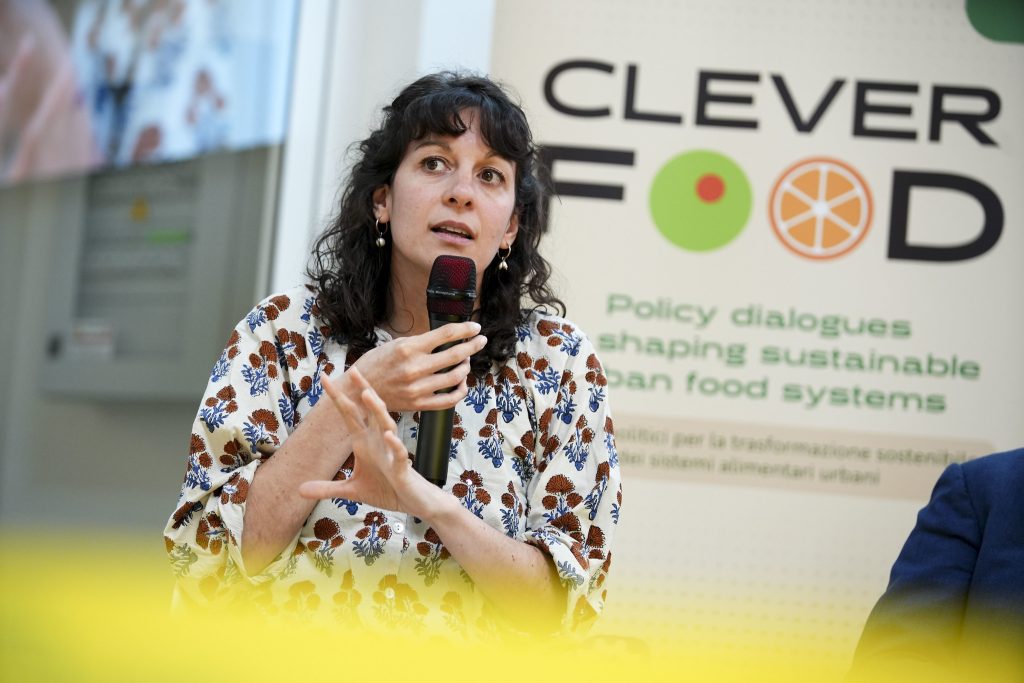
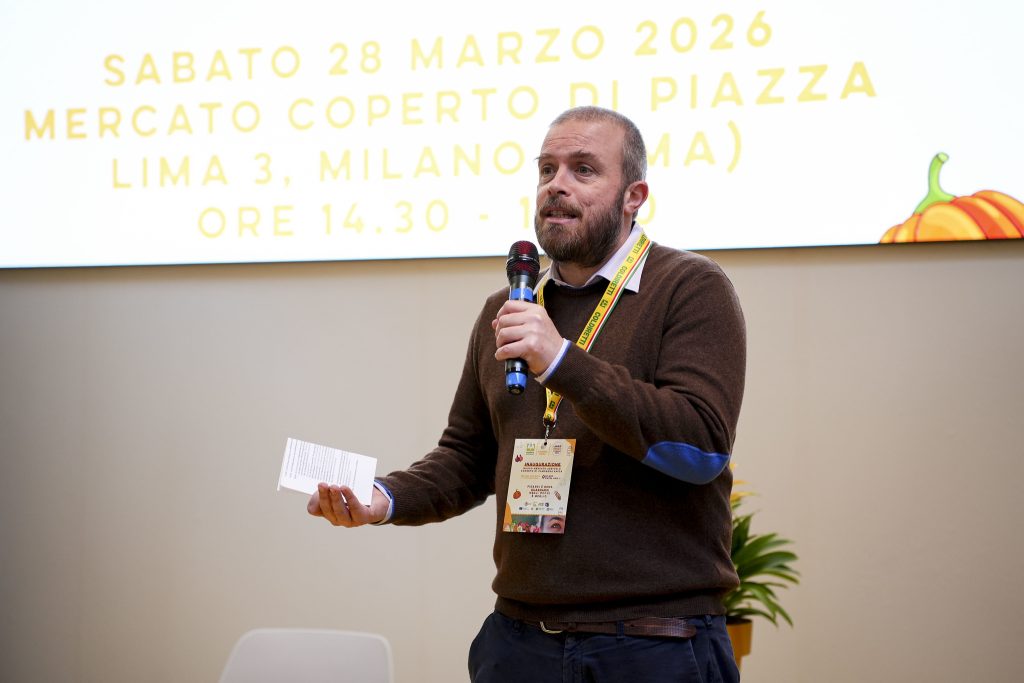
Across the different contributions, a clear message emerged: the social, health, and economic benefits seen in farmers’ markets in Milan, Turin and Bologna should be replicable nationwide through a supportive, harmonised regulatory framework.
The meeting ultimately pointed towards the need for a shared direction, bringing together institutional, territorial and policy perspectives around a common objective. Participants called for the formal recognition of “Farmers’ Markets” within the National Strategic Plans for rural development.