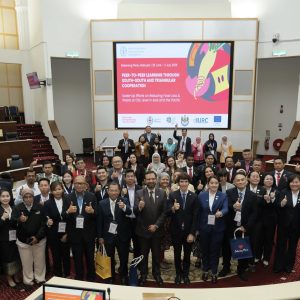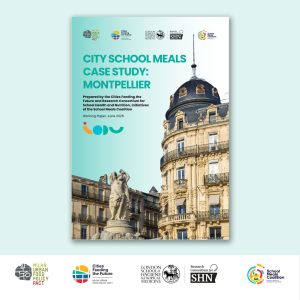
As part of the CLEVERFOOD project’s peer-learning programme, the Milan Urban Food Policy Pact (MUFPP) has been actively involved in facilitating meaningful exchanges between European cities to accelerate the transformation of urban food systems.
The goal of the peer-learning process is to enable peer cities to develop a concrete local Action Plan for the implementation of a good practice, adapted and contextualised within their own food systems. These plans are inspired by experiences and models shared by mentor cities during on-site visits and discussions.
The process fosters mutual learning, trust, and collaboration, while promoting scalable and locally relevant innovations. This exchange process is expertly facilitated by Eurocities, ensuring coordination, dialogue, and the co-construction of solutions across diverse urban contexts.
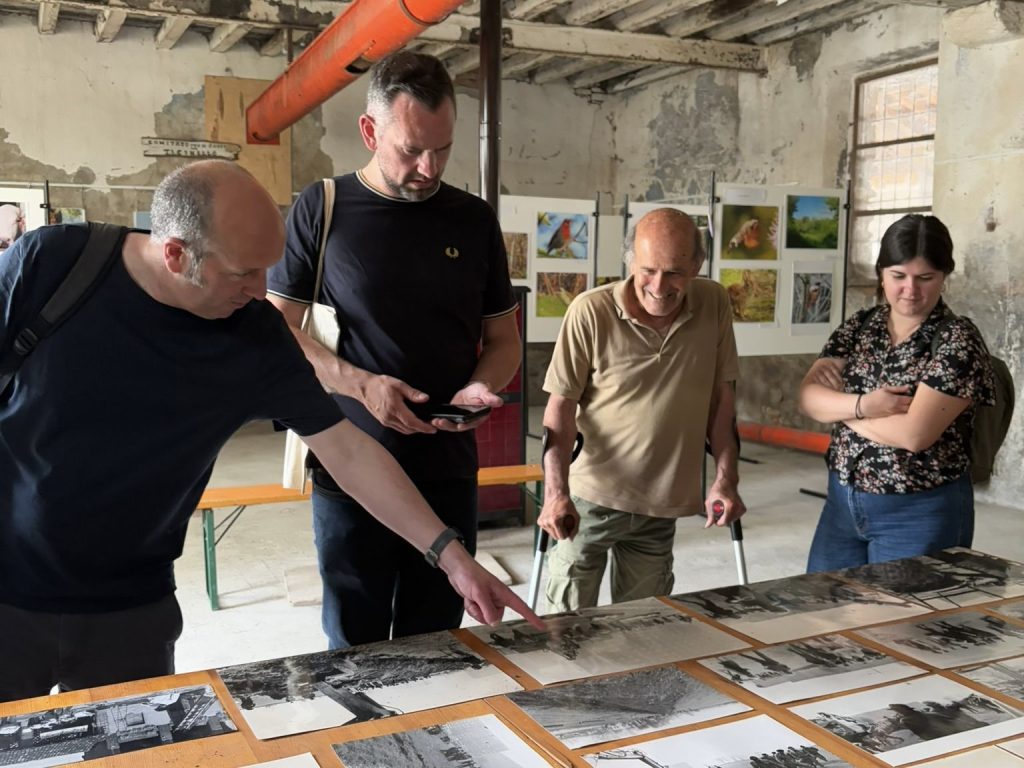
More specifically, Milan and the Milan Pact were involved in two study visits: the first to Nantes (19–21 May 2025), with Milan and Oostende visiting to explore strategies to strengthen urban–rural linkages and promote urban agriculture; and a second study visit to Milan (4–6 June 2025), with Bury (Greater Manchester) and Glasgow visiting to explore the role of school food systems in building sustainable food environments.
A Collaborative Learning Experience in Nantes
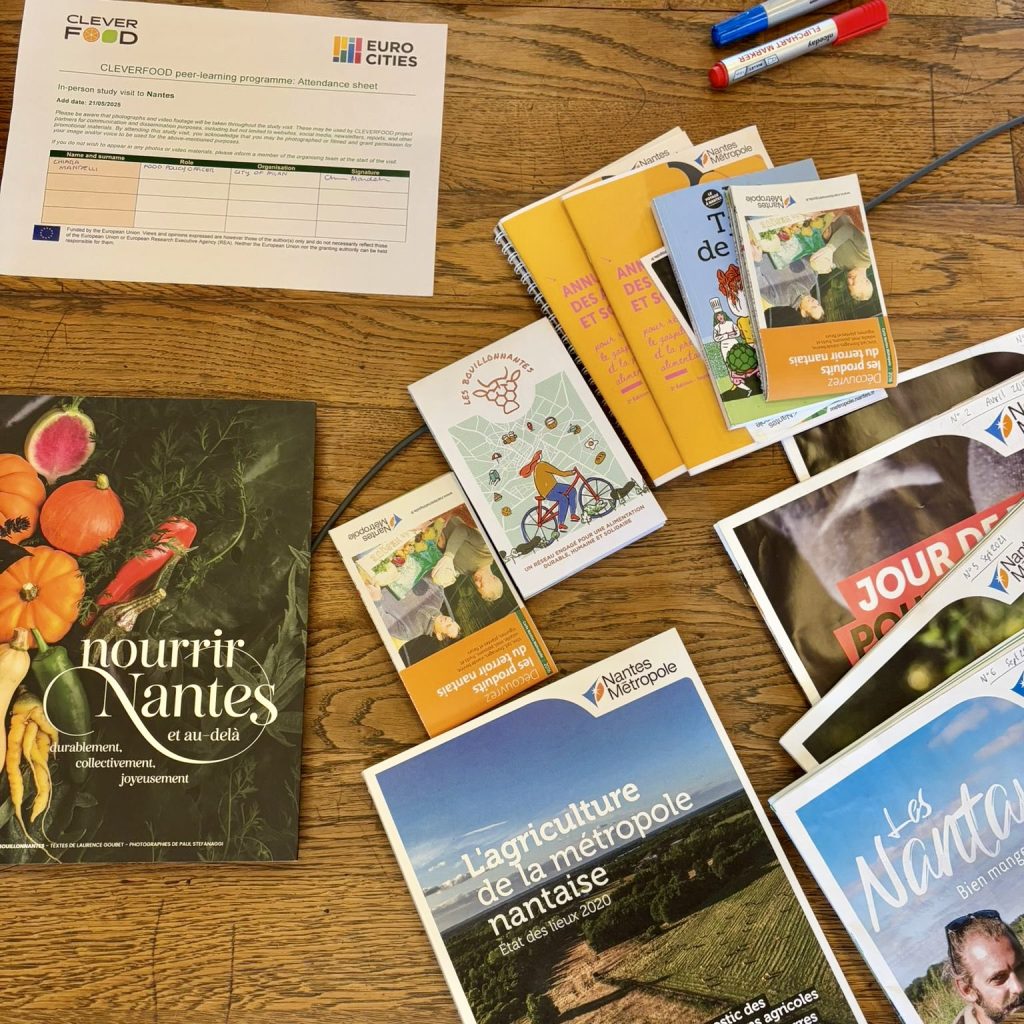
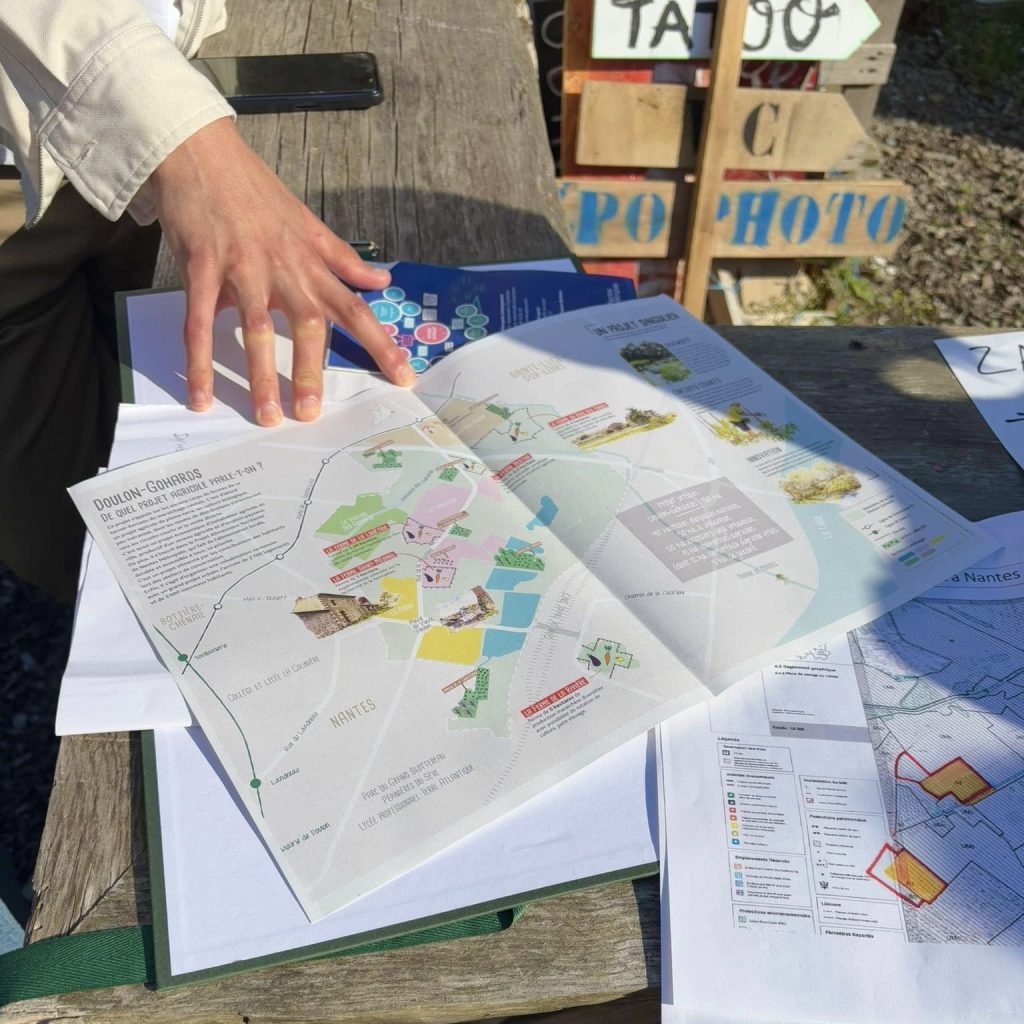
In Nantes, over two days of intensive dialogue with colleagues from Nantes Métropole and the city of Oostende, and in collaboration with the European Commission’s Food 2030 initiative, we explored how to reinforce urban-rural linkages and promote the agricultural sector as a driver of change in our food systems. The discussions focused on:
— Supporting new farmers, particularly in transitioning to organic agriculture, through access to land, training, and markets;
— Strengthening the link between school meals and local food producers to ensure healthier, more educational environments;
— Leveraging public procurement as a key policy lever to drive change in production and consumption patterns;
— Safeguarding agricultural land through strategic territorial planning that supports long-term food resilience;
— Building inclusive governance models, involving municipalities, farmers, civil society, and communities in co-creating food policies.
Nantes provided a valuable model of how food can be treated as a common good—central to public health, environmental justice, and economic sustainability.
Milan as a Living Lab for Urban Food Innovation
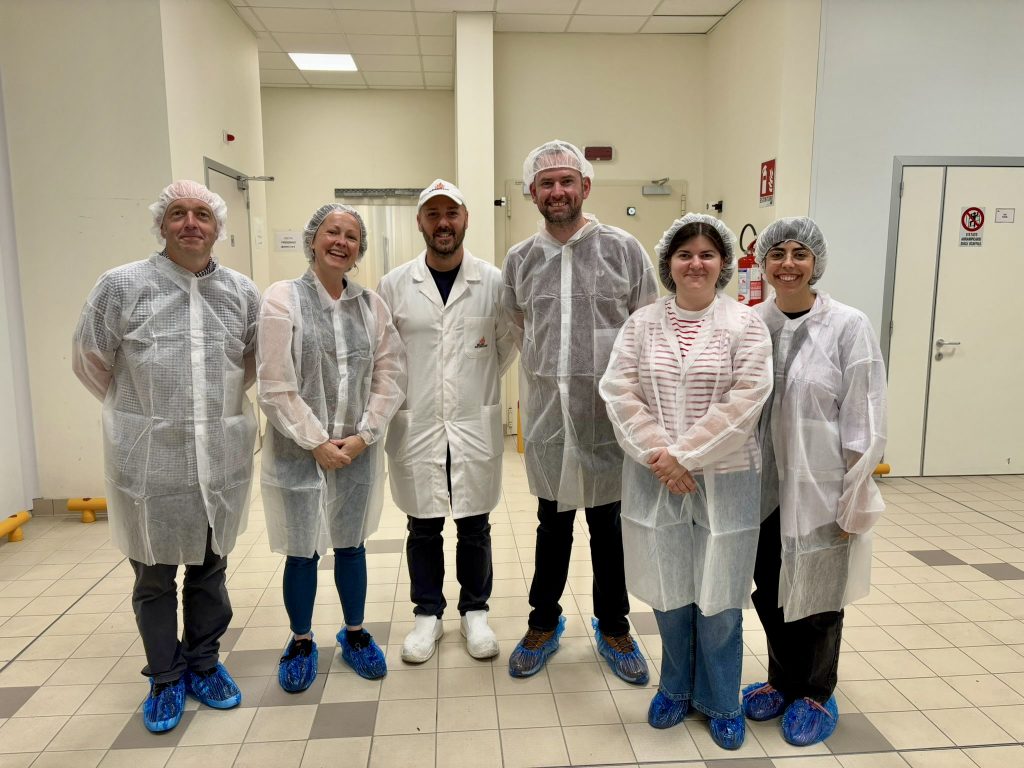
The peer-learning journey continued in Milan, where we hosted delegations from Bury (Greater Manchester) and Glasgow for two days of immersive visits and thematic exchange. The focus was on the school food system and its broader potential to foster sustainable food environments.
The Milan programme highlighted the convergence of public food services, territorial planning, and social innovation into a holistic food policy approach.
Key visits included:
— Cascina Campazzo, a historic urban farm located within the South Milan Agricultural Park. The farm supplies milk and yogurt to school canteens through a short and transparent supply chain—demonstrating how public procurement can directly support local, sustainable agriculture.
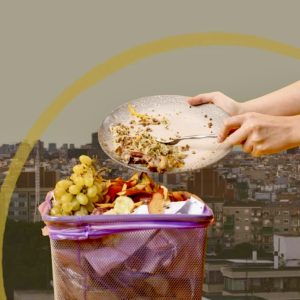
— Milano Ristorazione, the municipal company that prepares over 80,000 meals daily for schools and vulnerable groups. The visit showcased efforts to incorporate organic ingredients, reduce food waste, and actively engage parents, teachers, and students in co-designing food experiences and educational activities.
— Food Waste Hub – Centro, a community-driven food aid hub that recovers surplus food and redistributes it to those in need. It embodies a bottom-up, collaborative governance model that bridges food waste reduction, social justice, and community engagement.
Throughout the exchange, cities discussed strategies to build trust, ensure shared ownership, and foster cross-sector collaboration. Milan’s approach exemplifies how a metropolitan food policy can serve as a framework for integrating diverse stakeholders and leveraging public services as engines of transformation.