Our journey to explore the cities awarded in the latest edition of the Milan Pact Awards 2025 continues. After highlighting the Special Mentions in the Governance, Sustainable Diets and Nutrition, Social and Economic Equity, Food Production, and Food Waste categories, we now turn our attention to the initiatives recognised in the Food Supply & Distribution Category, developed by the cities of Liège (Belgium), Mbale (Uganda), Paris (France), and Tandil (Argentina).
At the Award Ceremony, Richard McCarthy, President of the World Farmers Market Coalition, presented the trends emerging from the MPA25 in the Food Supply & Distribution category. This year, 32 practices were gathered, highlighting a strong focus on the development and construction of new market infrastructure aimed at improving food handling procedures and overall safety conditions. Another key trend identified is the support for strengthening local supply chains, whether through the promotion of farmers’ markets or through certification schemes and marketing support initiatives designed to enhance the visibility and sustainability of local producers.
Let’s now take a closer look at the practices!
Liège – Short-Chain Hub
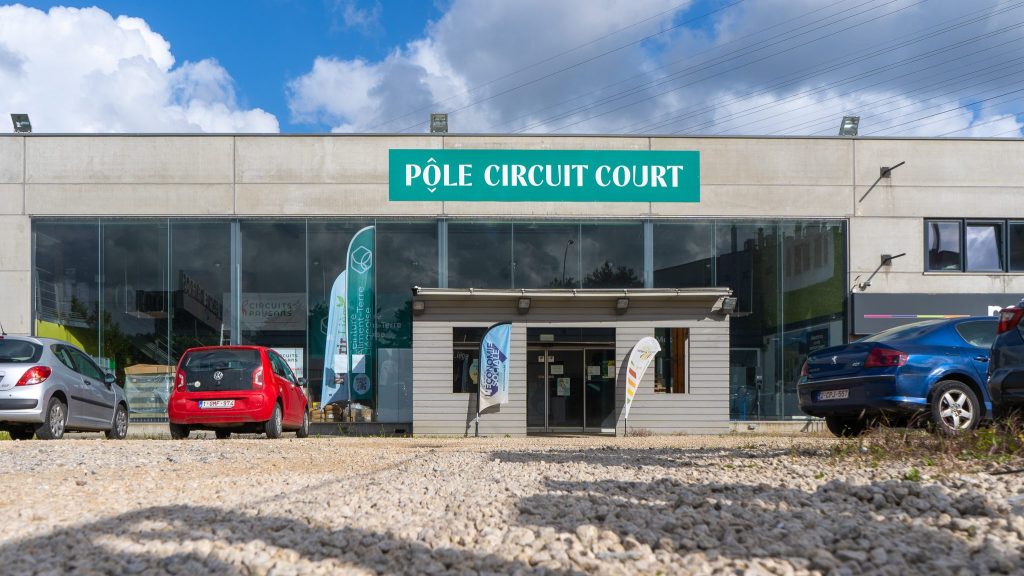
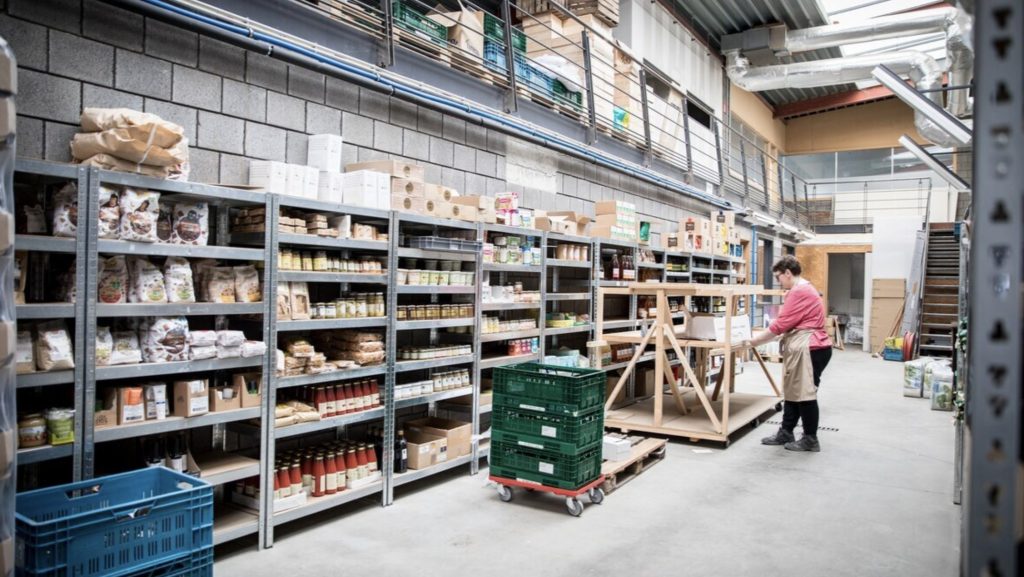
In the Liège region, local and sustainable food supply chains are growing, driven especially by increasing demand from public institutions such as schools and nurseries. To support this momentum, the City of Liège, in partnership with the local food network Ceinture Aliment-Terre Liégeoise (CATL), developed a short-chain agri-food hub at the Marché Matinal site.
The hub brings together several cooperatives from the CATL network in shared facilities, including storage spaces, order preparation areas, offices, meeting rooms, and soon a vegetable processing unit and cannery. In doing so, the project enhances synergies among supply chain actors, reduces environmental impacts, and strengthens the provision of seasonal, nutritious, and affordable local food.
This public-led initiative also directly supports.
Liège’s Sustainable Canteen Policy, by supplying the city’s central kitchen, enabling the preparation of approximately 4,000 meals per day for schools and nurseries. The project’s systemic approach contributes to reducing food inequalities, creating local jobs, and lowering the ecological footprint.
Supported by significant public investment and a multi-level governance model involving producers, cooperatives, citizens, and public authorities, the initiative strengthens territorial cohesion—particularly in the priority district of Bressoux-Droixhe—and contributes to regional food sovereignty. Overall, it represents a pioneering and inclusive model in Wallonia for advancing a resilient, equitable, and sustainable urban food system.
Read the full practice: Liège – Short-chain Hub
Mbale – Food Access through Infrastructure Improvements in Wet Markets
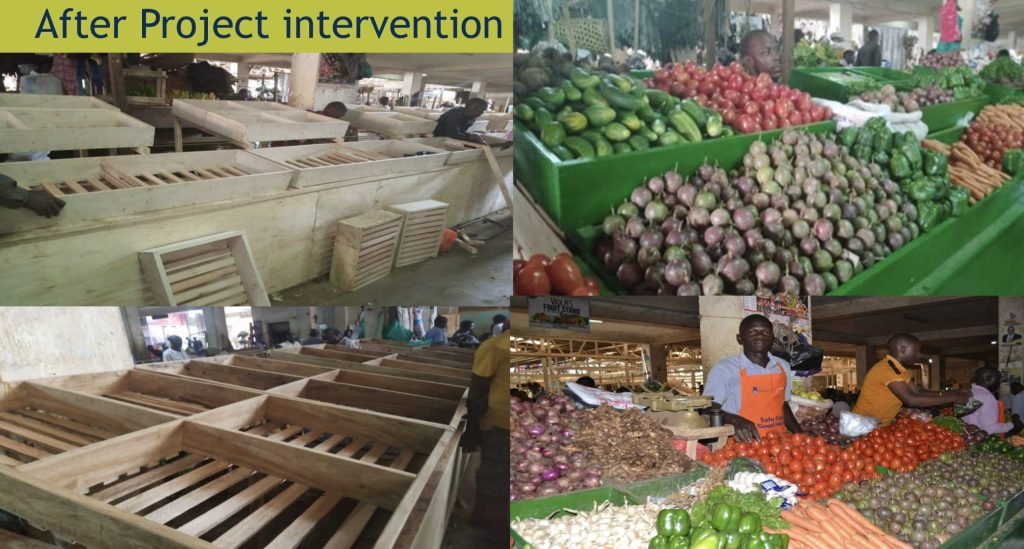
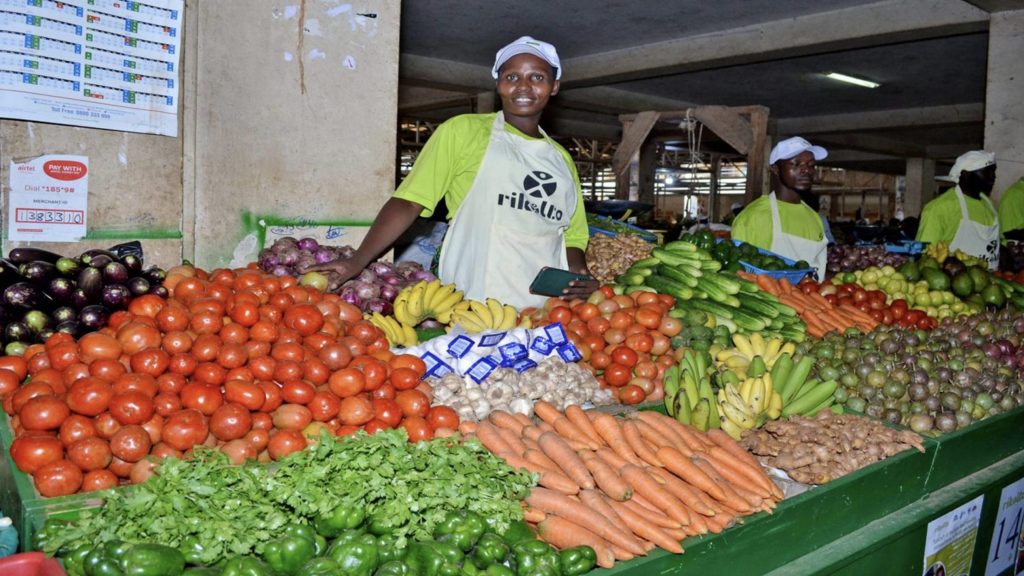
In Mbale City, most residents rely on traditional markets for fresh fruits and vegetables, making food safety a critical concern. A food safety study commissioned by Rikolto revealed high levels of pesticide residues (MRLs) and contamination, largely due to improper pesticide use and unsafe washing practices.
To address these food system challenges, Mbale adopted afood systems approach, bringing together various actors, including farmers, vendors, civil society, and local authorities, to improve the safety and quality of fresh produce consumed in the city.
The Mbale model focuses on establishing a traceable supply chain from farmers to market vendors,ensuring that all actors apply safe practices from production to marketing. Farmers are trained in Good Agricultural Practices (GAP), while vendor stalls are improved,and visual merchandising techniques are introduced to attract more consumers.
The initiative aims to transform public markets into spaces where safe, high-quality food is accessible to all citizens, regardless of income level.
To strengthen food governance, the city — in partnership with Food Rights Alliance,Rikolto, CONSENT, and Mbale City Council — established the Good Food Parliament, a multi-stakeholder platform that develops strategies to improve the urban food environment and promote the consumption of Healthy, Safe and Nutritious (HSN) food.
Through collective action, Mbale aspires to promote sustainable crop production (including regenerative practices), market inclusion, and an enabling policy environment to improve urban diets.
Read the full practice: Mbale – Food Access through Infrastructure Improvements in Wet Markets
Paris – In Paris, Plastic Comes Off the Table!
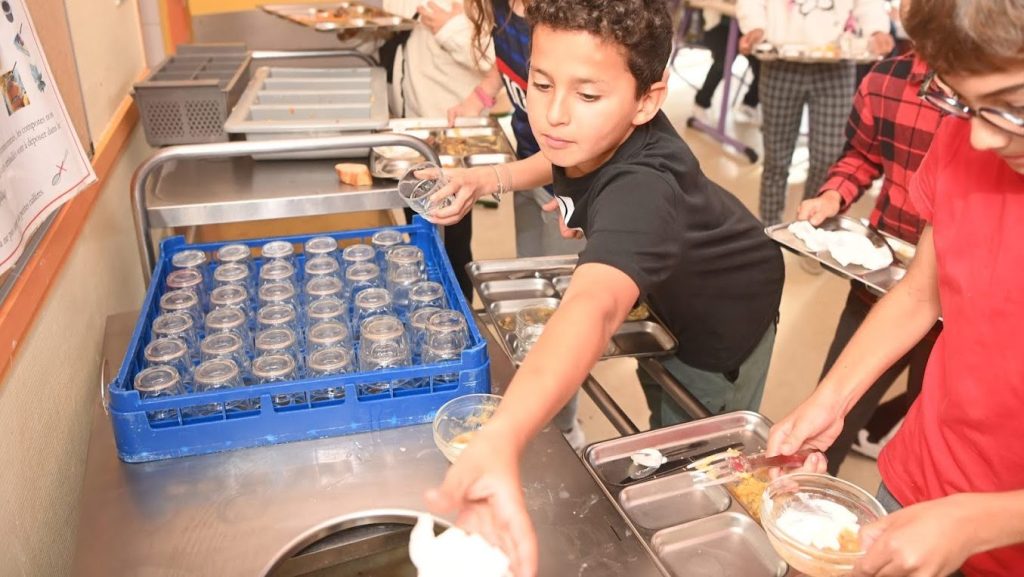
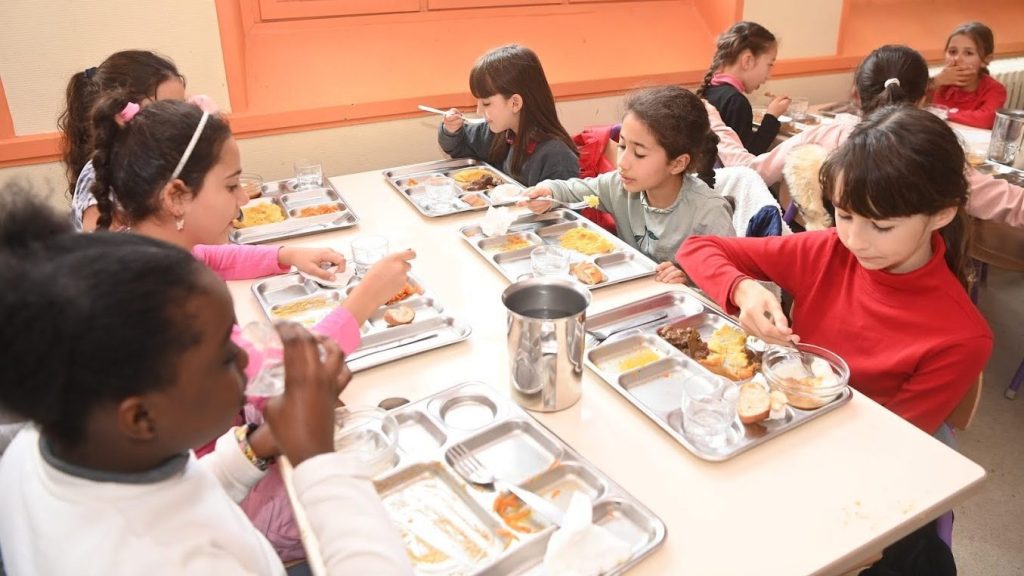
Paris has long considered reducing plastic in its food system as a major priority to protect public health, combat climate change, and reduce environmental pressures.
Having accelerated its commitment since 2018, and reinforced through the 2021 plan, the city has targeted collective catering—schools, nurseries, nursing homes, staff restaurants, and solidarity kitchens—as key lever for change, aiming for zero plastic contact with food by 2026.
The third Sustainable Food Plan (PAD) drives this effort, combining actions on healthy meals, food waste reduction, and in-house cooking with the plastic phase-out. These measures apply to the 30 million meals served annually.
Supported by other ambitious environmental plans – such as the Paris Strategy for Sustainable Food, the Paris Climate Plan, the Paris Waste Reduction Plan, the Paris Resilience Strategy, and the second Paris Environment and Health Plan – Paris has lived up to its commitments: today, all plastics have been removed from collective catering tables. Implementation involves investments in new kitchen equipment, glass cups and compartmented stainless-steel trays and containers, along withon-the-ground assistance for catering managers, including staff training and awareness-raising for diners.
Health benefits include reducing exposure to endocrine disruptors and microplastics in food, which helps protect the health of all diners, especially the most vulnerable—children, adolescents, and pregnant women. Environmentally, the programme lowers pollution, greenhouse gas emissions, and single-use waste, with Paris avoiding around one ton of plastic annually in collective catering. Economically, reusable alternatives stimulate the circular economy and reduce ongoing costs.
Inclusive governance involves 21 management bodies across the city, collaborating regularly through working groups and managers’ clubs, with further guidance from a forthcoming Scientific and Citizens’ Council on Sustainable Agriculture and Food.
Read the full practice: Paris – In Paris, plastic comes off the table!
Tandil – Tandil Gondola
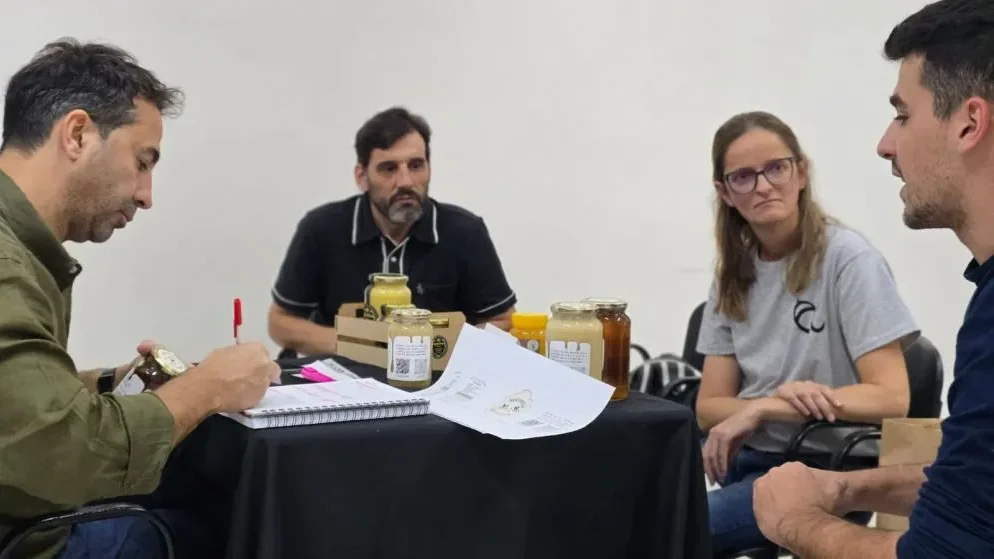
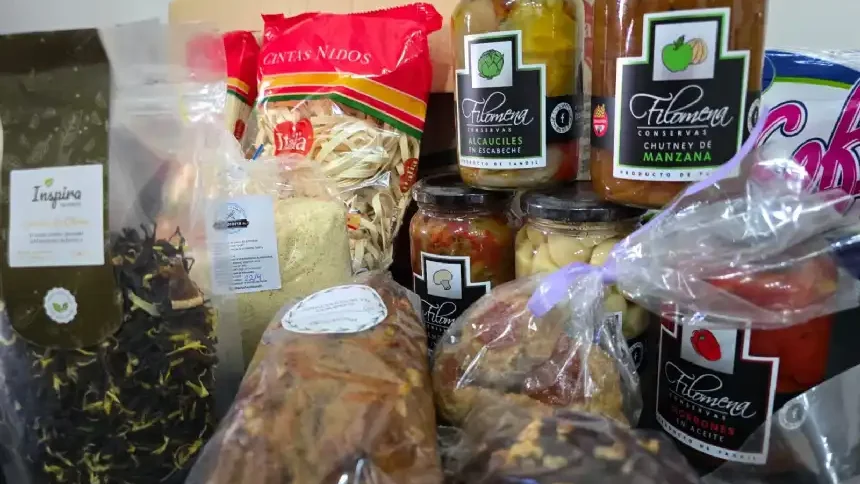
The Tandil Gondola Program, launched in 2019, aims to promote the supply and demand of locally made products within the Department of Tandil, in line with the “Kilómetro Cero” approach. It supports local producers, ranging from entrepreneurs and SMEs to cooperatives, in their mission to place their products on the shelves of medium-sized stores, supermarkets, and hypermarkets.
Commercial establishments are required to dedicate a visually attractive and clearly marked space labeled Made in Tandil for these products, making them easily identifiable for residents and visitors. In this context, several business roundtables have been organised between commercial firms and local suppliers, and ongoing surveys to monitor which products and brands are featured on shelves to constantly improve the inclusion of local products, fostering direct relationships between producers and retailers.
The Tandil Gondola Program has a triple impact. Socially, it has enabled more than 100 business units and their products to reach local store shelves, fostering direct relationships between producers and retailers and promoting the inclusion of small-scale production. Environmentally, it encourages short supply chains, reducing transportation distances between local products and selling points, which helps lower the carbon footprint. Economically, the program stimulates the local economy by giving Tandil producers the opportunity to sell their products in commercial establishments.
These impacts also benefit the city’s residents, who can access quality local products at affordable prices on a daily basis, strengthening sustainable consumption in the region and reinforcing the connection between rural and urban communities.
Read the full practice –Tandil – Tandil Gondola
Special thanks to Rayen Victoria Ferreira Molina, MUFPP Intern, for writing this article.