As part of the MUFPP Global Forum 2025, the session Innovative finance for urban fresh food markets: resilient cities and healthy diets (October 16, University of Milan), promoted by GAIN, ICLEI Africa, FAO, World Bank and World Union of Wholesale Markets explored innovative approaches to financing urban food markets, with a focus on reaching vulnerable communities and sharing best practices and lessons learned.
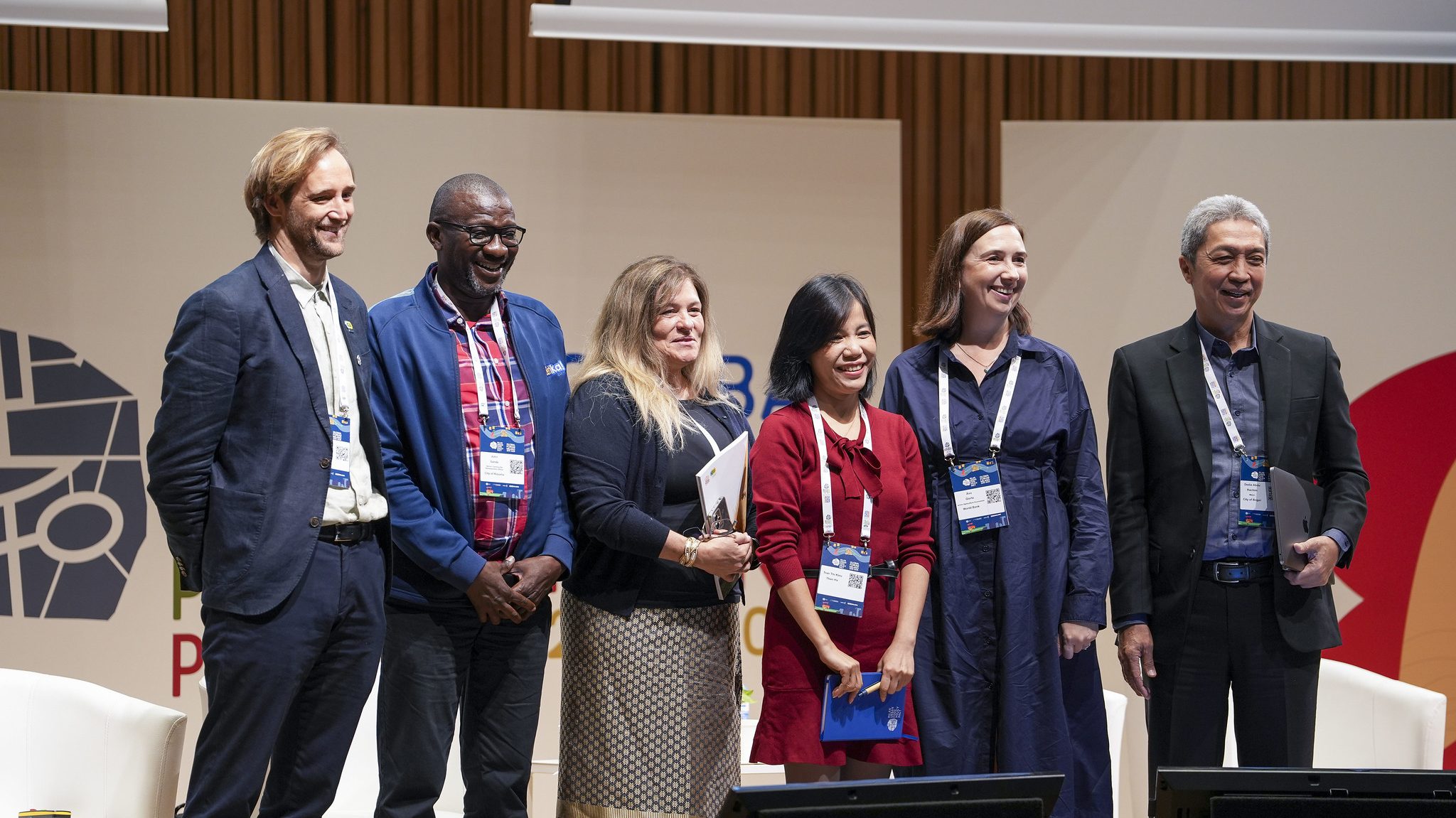
The session opened with a joint keynote presentation by Ann Trevenen-Jones (GAIN), Luke Metelerkamp (Head of the African city food center from Africa at ICLEI Africa and AfriFOODlinks project coordinator), and Åsa Giertz (World Bank), offering complementary perspectives on how innovative finance can strengthen urban fresh food markets while advancing nutrition, inclusion, and resilience. This was followed by a panel discussion featuring city-level experiences from Kisumu (Kenya) and Bogor (Indonesia), alongside insights from the partner HealthBridge Vietnam.
Innovative financing and public and private fresh food markets
Ann Trevenen-Jones (GAIN) framed urban food markets as far more than economic infrastructures. Markets are spaces where nutrition is “practised” daily: places of social interaction, cultural exchange, informal credit, and access to diverse and nutritious foods. Drawing on GAIN’s experience across Africa and Asia, she highlighted how markets played a critical role during COVID-19, demonstrating resilience through food-sharing practices and strong vendor–government relationships. Yet, despite their importance for low-income and vulnerable populations, markets continue to be undervalued by city authorities, often managed solely under trade or economic departments.
Luke Metelerkamp (Head of the African city food center from Africa at ICLEI Africa and AfriFOODlinks project coordinator) expanded the discussion by illustrating the scale of the investment challenge, particularly in Africa.
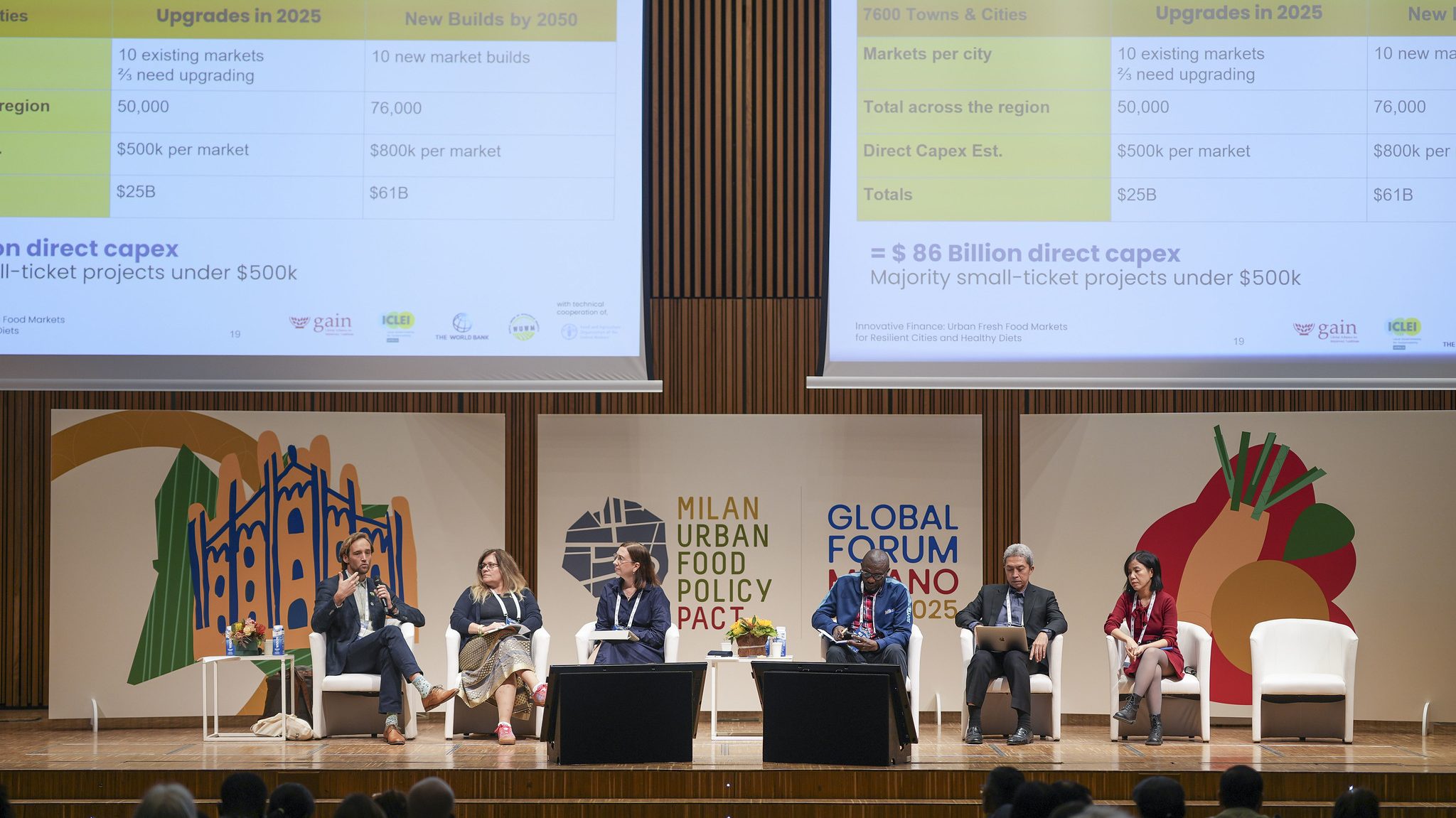
Based on preliminary mapping, he estimated that the continent hosts around 50,000 urban food markets, many of which require basic upgrading. At an indicative average cost of USD 500,000 per market, the investment gap to bring existing markets up to minimum hygiene and functionality standards is around USD 25 billion, rising to approximately USD 86 billion when future population growth and new markets are considered.
Metelerkamp stressed that most of these investments are small or medium in size and therefore difficult to finance through traditional development finance channels due to high transaction costs, perceived risks, and weak financial data at the municipal level. He warned that poorly designed investment strategies—such as prioritising large wholesale markets at the expense of central or informal markets—can undermine livelihoods and accelerate unhealthy food transitions. To address this, he called for blended finance approaches, concessional capital, and market-readiness assessments that can de-risk investments while safeguarding nutrition and inclusion outcomes.
Åsa Giertz (World Bank) provided the perspective of multilateral development finance, situating urban food markets within the World Bank’s broader mandate on poverty reduction, food security, health, climate resilience, and urban development. She noted that markets are among the most frequently financed urban investments, typically as components of larger urban or agricultural development projects.
World Bank financing is directed to national or subnational governments and can support markets through multiple channels: public infrastructure investments, community-driven development programmes, small grants, and credit lines to local financial institutions that on-lend to vendors, cooperatives, and small food enterprises. While private investment in fresh food markets remains limited, these public and blended instruments can help reach actors who lack access to affordable finance. Giertz underlined that all investments must meet social and environmental standards, demonstrate clear economic and social benefits, and be supported by strong management and ownership arrangements to ensure long-term sustainability. She concluded by reaffirming the importance of viewing markets as part of integrated urban food systems and announced forthcoming World Bank analytical work on urban food systems and financing.
Voice of Cities and Partners
In the second part of the session, Luke Metelerkamp moderated a panel bringing together voices from the cities of Kisumu (Kenya) and Bogor (Indonesia), alongside a representative of the global NGO HealthBridge from Vietnam, offering diverse perspectives on market investments and governance.
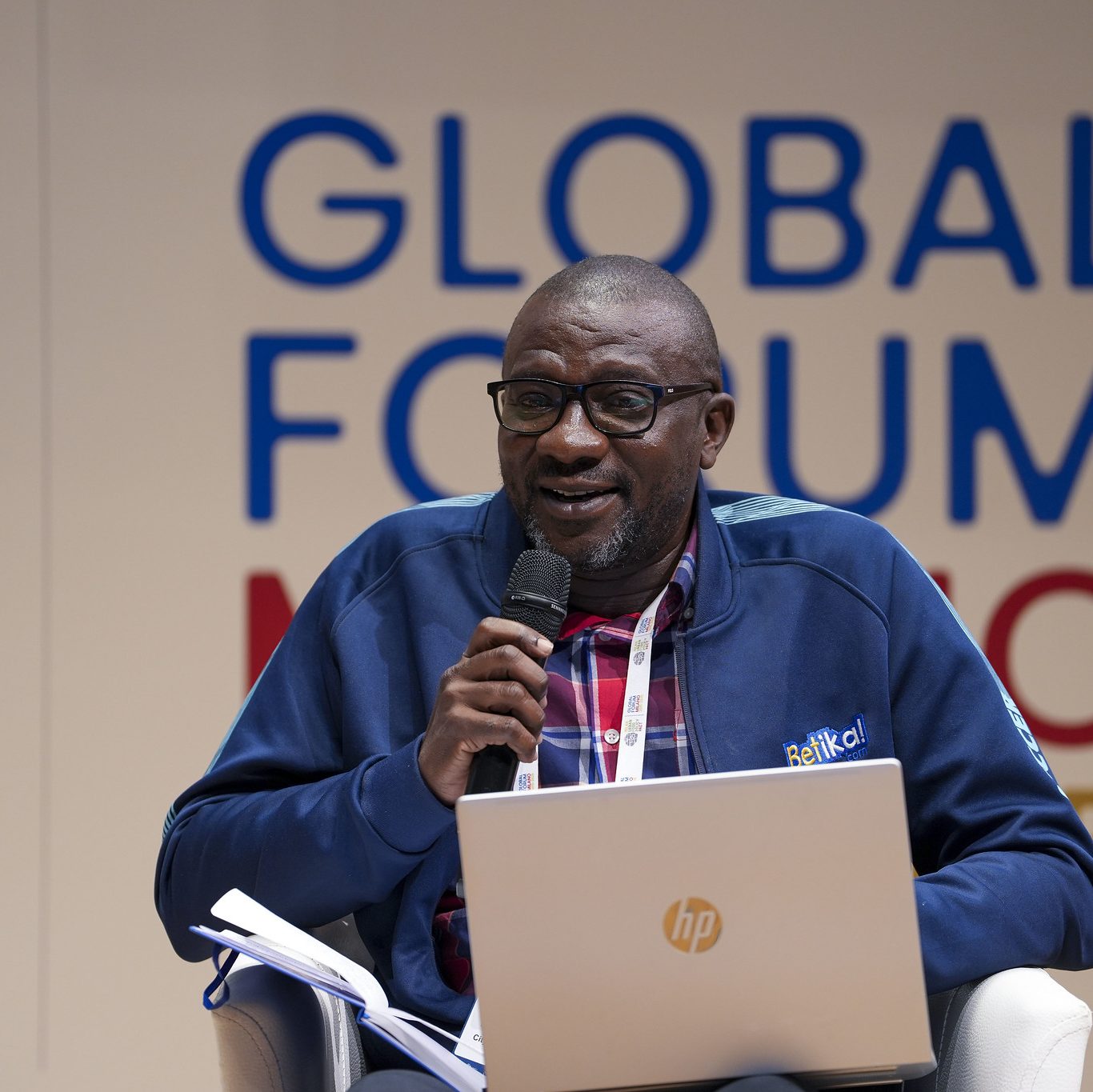
John Sande of Kisumu (Kenya) highlighted the critical role of urban markets as centers of food access, economic activity, and social interaction. Kisumu’s markets have benefited from targeted investments—from national and international funding—that improved infrastructure, electricity, sanitation, and working conditions, especially in markets supporting women and low-income communities. Successful investments, he explained, rely on active stakeholder participation and regular consultations between traders, city authorities, and professional groups, fostering ownership and sustainability. Key challenges remain: fragmented governance across departments, insufficient maintenance funding, political influence, and weak data systems, all of which can undermine long-term impact. Clear policies and effective governance are essential to ensure lasting benefits.
Mayor Rachim of Bogor (Indonesia) illustrated how public–private partnerships can effectively support street food vendors, who play a central role in the city’s cultural identity and daily food access. Through corporate social responsibility (CSR) schemes, private companies have contributed to the development of culinary centers by investing in infrastructure such as vendor stalls, seating areas, water, sanitation, and waste facilities. In return, companies gain visibility and public recognition, while vendors benefit from improved working conditions and consumers enjoy safer, more hygienic spaces. This collaborative model has proven both financially sustainable and socially impactful.
Offering a national policy perspective, Han Tran, Project Manager at HealthBridge in Vietnam, described a major shift in how markets are perceived and financed. Historically treated purely as commercial entities, urban markets were largely excluded from public investment. Following sustained advocacy, a 2024 government decree now recognizes markets as public assets, enabling the use of public funds for their development. This policy change has already unlocked investment plans to upgrade 71 markets in Hanoi and requires cities to develop clear market development strategies, implementation frameworks, and investment plans to access national funding effectively.


In concluding the discussion, speakers emphasized that there is no single solution or “silver bullet” for financing and upgrading urban food markets. Instead, the session highlighted the need for a pluralistic approach that combines public investment, private capital, philanthropy, and strong coordination across government departments.
Markets emerged not only as economic infrastructures, but also as vital public spaces that support food access, livelihoods, social interaction, and urban resilience. Strengthening governance, improving coordination mechanisms, and grounding investments in local context and stakeholder participation were identified as essential steps to ensure that market investments deliver lasting and equitable outcomes.
Special thanks to Martina Dell’Aquila, MUFPP Intern from the University of Milan, for writing this article.