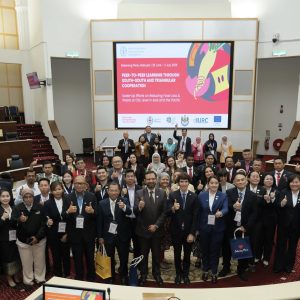
The session Local Food Systems Transformation through Agroecology Tools and Successful Cases from South America, Africa and Europe was held as part of the MUFPP Global Forum 2025 (16 October 2025, University of Milan). Bringing together city representatives and technical experts from six cities across three continents, the session explored how agroecology can drive the transformation of local food systems and strengthen urban food policies.
The session was organised by Azione Terrae, Comida do Amanhã, ICLEI South America, and the Red de Municipios por la Agroecología (RMAe), and was moderated by Giovanni Sartor, West Africa Director at Mani Tese.
Why should local governments invest in agroecology for food systems transformation?
In the first part of the session, organisers presented key tools and programmes supporting the agroecological transition.
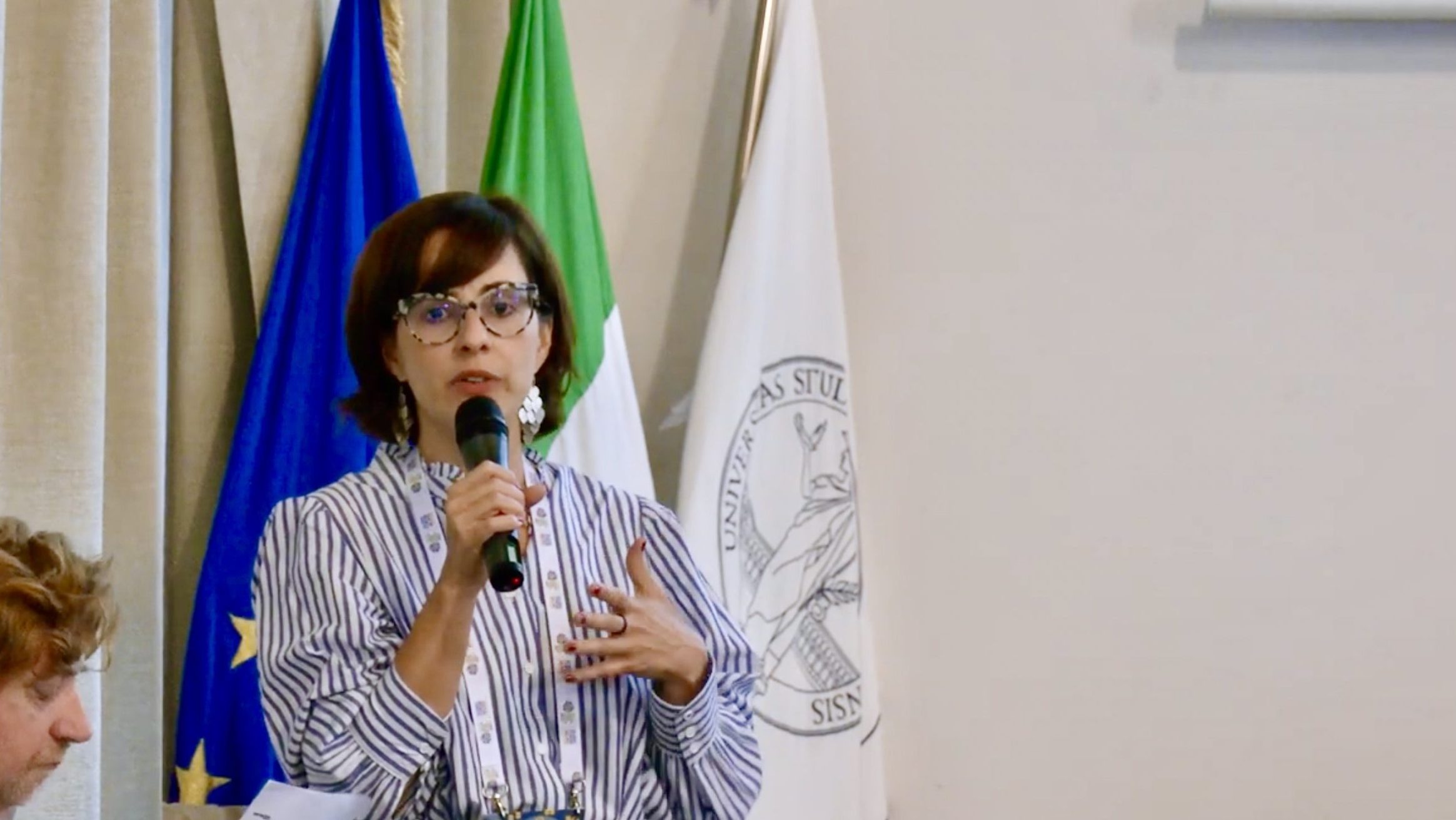
Sara Baglioni of the Azione Terrae Coalition and ACRA, one of the coalition’s seven founding organisations, introduced the coalition’s mission to support the agroecological transition in West Africa, alongside advocacy efforts at Italian and European level. She highlighted one of the coalition’s key tools, OASIS – the Original Agroecological Survey Indicator System, developed by Agroecology Europe. Conceived as a compass for action, OASIS supports the evaluation and improvement of agroecological interventions across six core dimensions, providing a comprehensive framework to assess progress and guide decision-making.
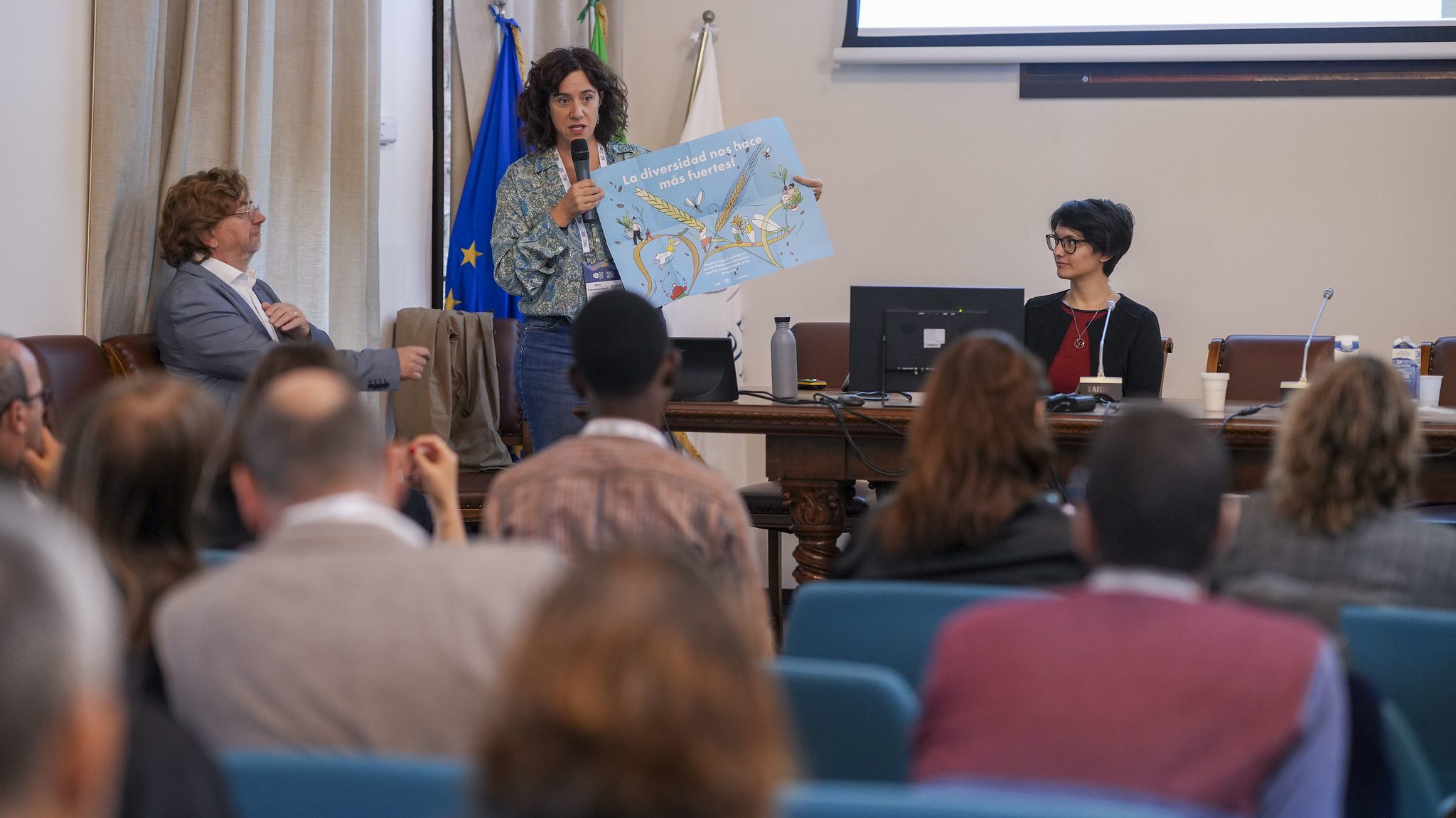
María Carrascosa of Red de Municipios por la Agroecología (RMAe) presented the Granollers Manifesto, highlighting the importance of integrating cultivated biodiversity into local food policies across Europe. She explained that cultivated biodiversity—including heirloom varieties, landraces, open-pollinated seeds, and participatory plant-breeding materials—strengthens food systems by enhancing resilience to climate and environmental stresses, improving dietary diversity and nutrition, and reinforcing community autonomy through the collective management of plant genetic resources. Drawing on experiences from European municipalities involved in the Life Seeding project, Carrascosa described a participatory process that led to the Manifesto, which sets out a shared vision for 2050 and proposes 32 concrete actions for cities to mainstream agroecology and organic agriculture. The Manifesto also calls on national, regional, and European institutions to provide enabling policy, financial, and legal frameworks to support municipalities in scaling up these efforts.
Juliana Tangari, Director of the Comida do Amanhã Institute, presented the organisation’s work supporting sustainable and agroecological food system transitions in Brazil, with a strong focus on cities as drivers of change. She described Comida do Amanhã as a think tank working closely with municipal governments, civil servants, and food policy councils to strengthen local implementation of national food policies through research, advocacy, and capacity building. Tangari highlighted LUPA, a national network of Brazilian cities aligned with the MUFPP, which supports cities in advancing integrated food system strategies. She also introduced the Institute’s newest initiative on Agroecological School Meals (PNAE Agroecológico), a four-year programme working with 11 cities to use public procurement for school feeding as a lever to support family farmers’ transition from conventional to agroecological production, demonstrating how school meals can drive local agroecological transformation and resilient food systems.
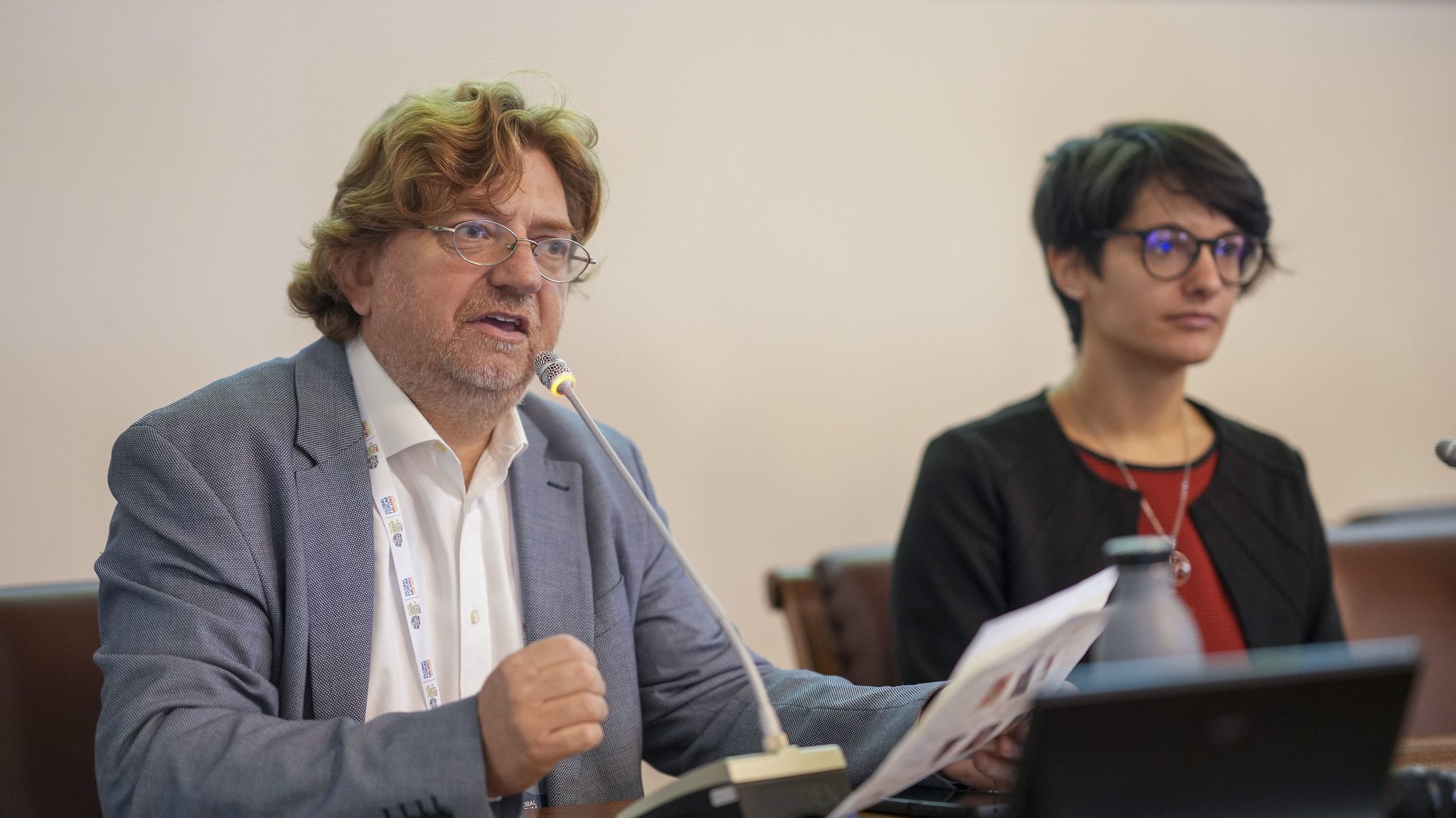
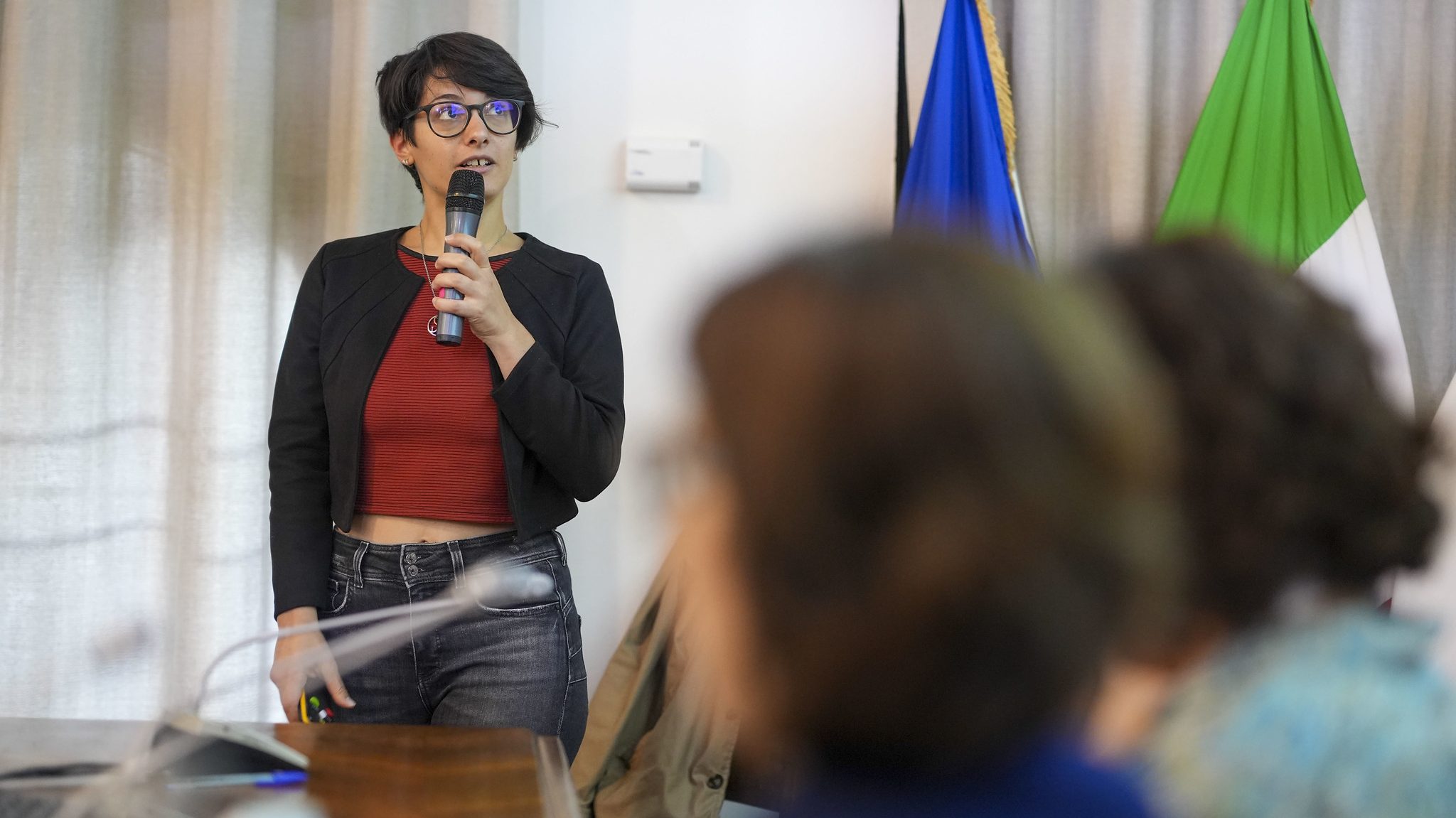
Inspiring Action: Global Stories of Agroecological Success
The second part of the session focused on the heart of the discussion: the experiences of cities putting agroecology into practice. Representatives from Africa, South America, and Europe shared inspiring examples.
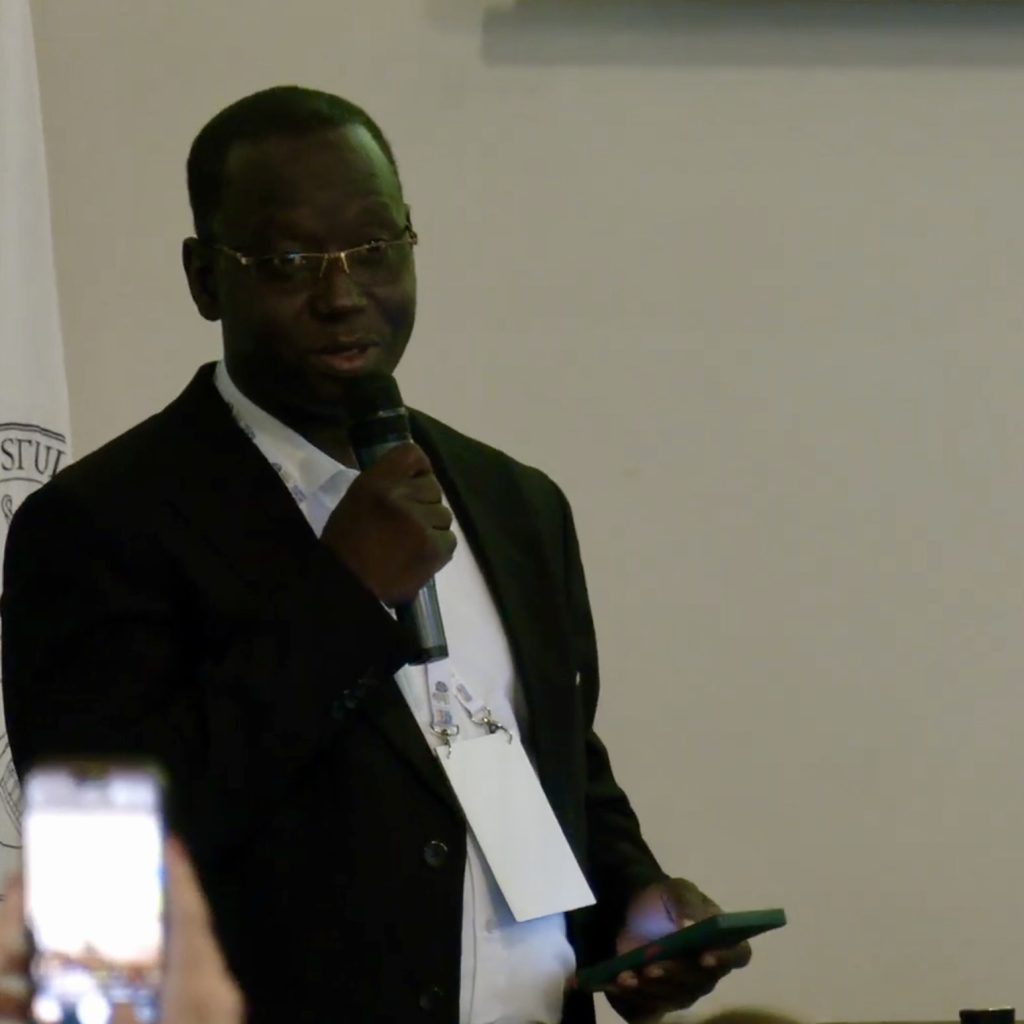
Tidjani Hassoumi, Director of Environment and Landscape Planning for Niamey, Niger, presented the city’s AfriFOODlinks pilot project, addressing critical challenges in seed availability, accessibility, and quality. The city established a model agroecological nursery, including six greenhouses, storage and office facilities, compost pits, and training areas. Thirty producers from ten target groups were trained in agroecological techniques, who in turn train members of their communities. To date, 473 producers have benefited, 370 of whom are women. The nursery ensures continuous production of healthy seedlings, improving both farm productivity and local seed quality, while creating pathways for resilient and inclusive urban food systems.
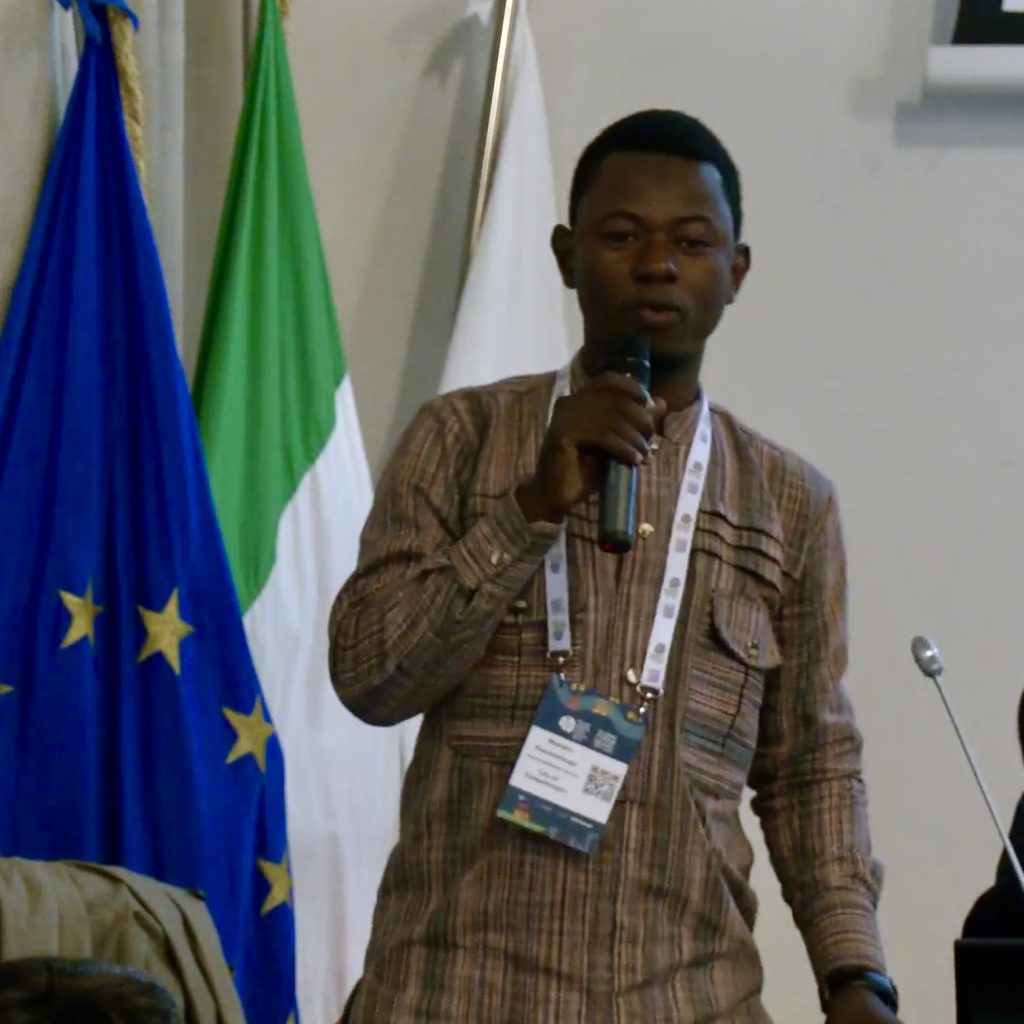
Kiendrebeogo Abdoul Wahab, representing the city of Ouagadougou, showcased the city’s Green Belt initiative, designed to address urban and environmental pressures while formally integrating agroecology into local legislation. The project rehabilitates over 70 hectares of land around the city for agroecological production, engaging more than 2,750 producers in sustainable farming practices. Each hectare includes training and support for producers, while trees are planted to restore the landscape. The initiative links production to local schools and markets, promoting nutritious diets and waste management, and strengthens coordination among local authorities, producers, and citizens. Designed as a pilot and scalable model, the Green Belt aims to replicate urban agroecological practices across Ouagadougou and other West African cities, creating inclusive, resilient, and environmentally sustainable food systems.
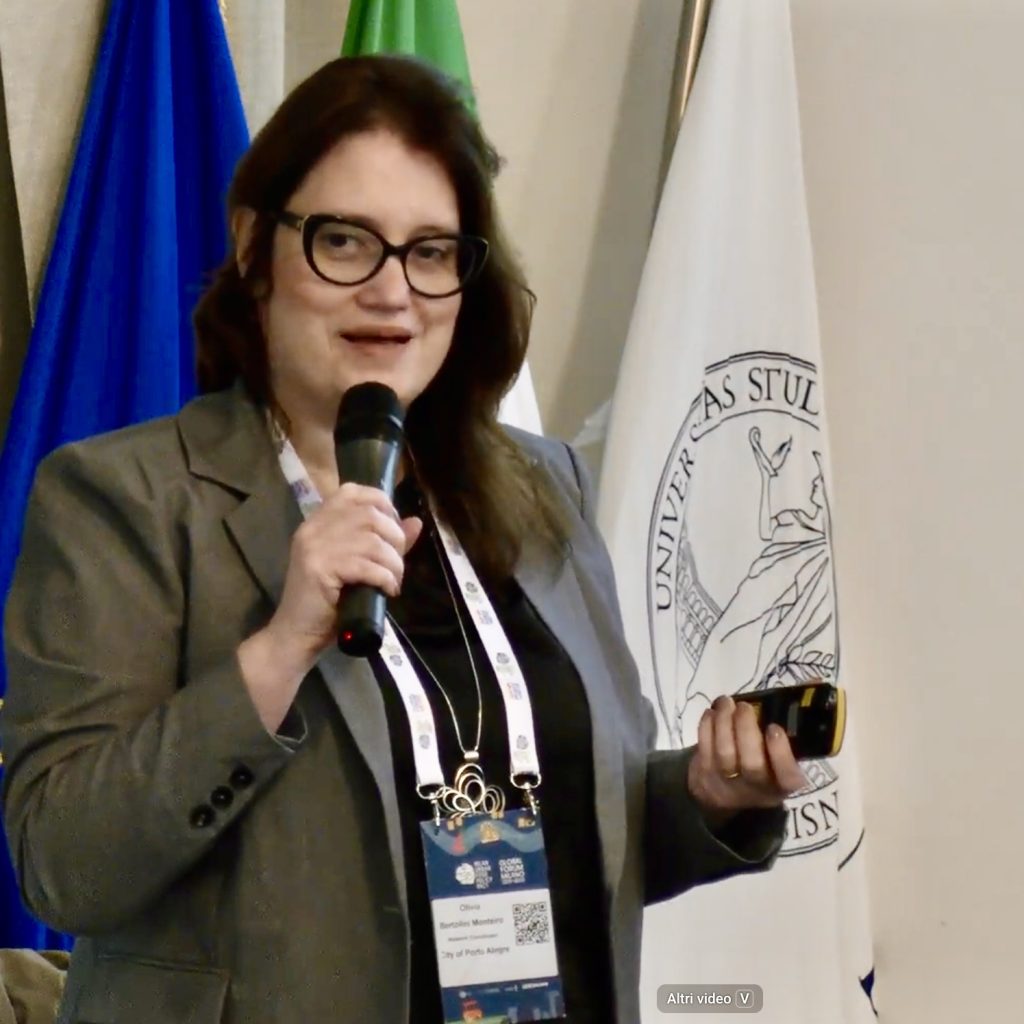
Olívia Bertolini Monteiro, Network Coordinator for the Secretariat for Citizen Governance and Rural Development, presented Porto Alegre’s approach to strengthening local food systems through intersectoral coordination and networks. She highlighted the city’s work in building trust and collaboration among diverse actors, including producers, municipal departments, and educational institutions. By fostering networks where participants share a common goal—the agroecological transition—Porto Alegre enables coordinated actions across sectors, from production to school feeding programmes. Bertolini Monteiro emphasized the importance of transparent communication, participatory leadership, and stepwise implementation to ensure both short- and long-term results. The city’s network approach demonstrates how well-orchestrated coordination and continuous monitoring can transform complex urban food challenges into effective, scalable, and socially inclusive policies.
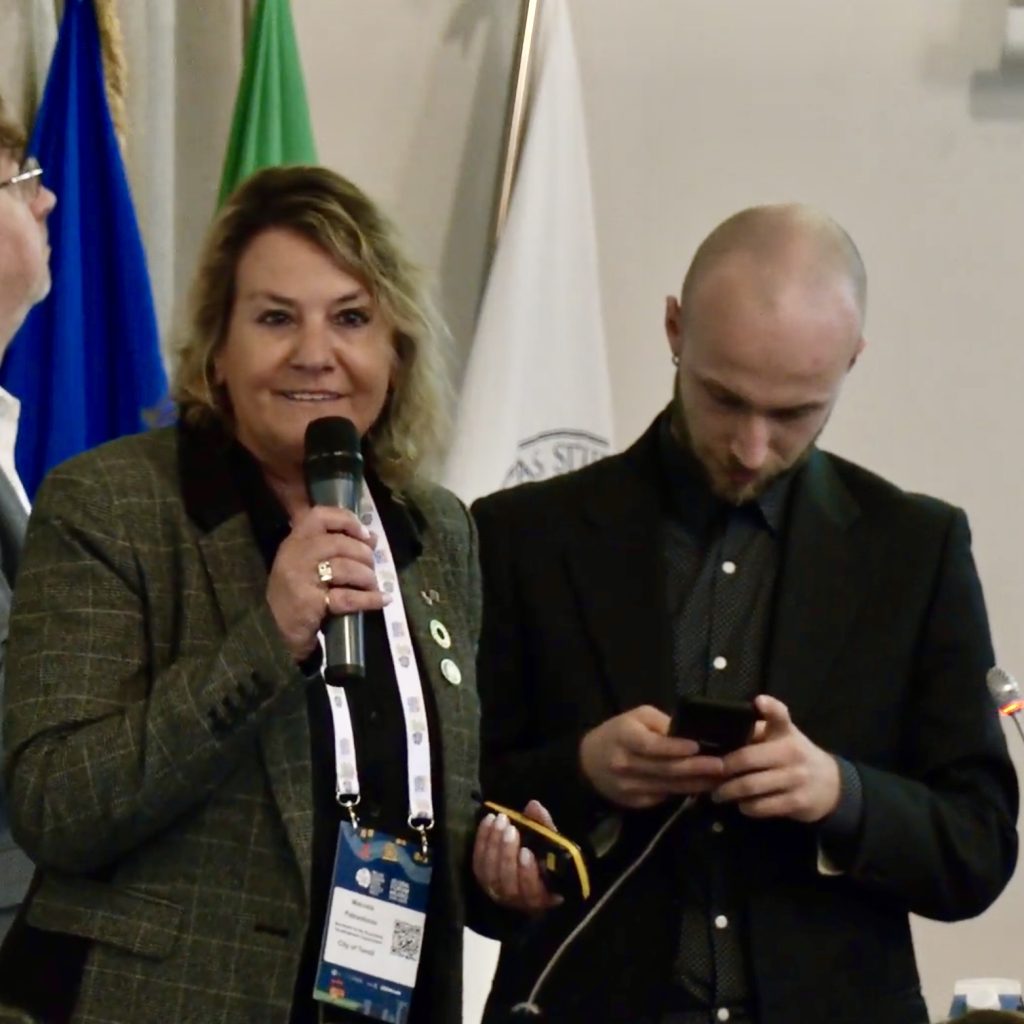
Marcela Pietrantonio, Secretary of the Cabinet for Economic Development and International Relations of Tandil, presented the city’s approach to strengthening local food systems in an intermediate city context. Tandil, with 150,000 inhabitants and a dispersed agricultural structure, faces challenges including dependency on external resources and weak links between local production and consumption. The city began with a 21-actor agroecological farm to test and implement agroecological practices and later launched funded projects for young entrepreneurs. Tandil also developed a “Kilómetro 0” strategy to support local producers, including a municipal seal to facilitate the sale of local products in supermarkets. The city emphasizes the inclusion of rural women and designs policies and indicators tailored to the needs of intermediate cities, promoting food sovereignty and equitable access to healthy, sustainable food.
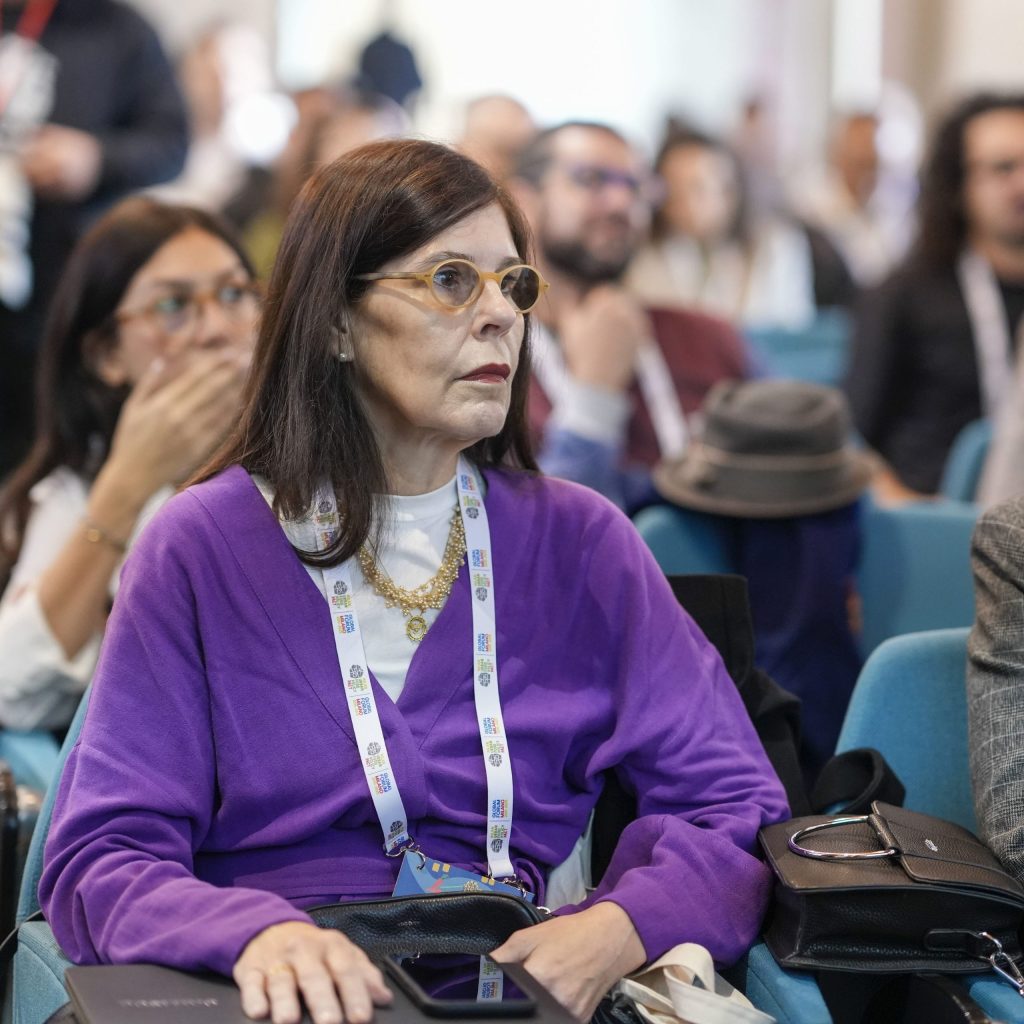
Adriana Figueira, Urban Agriculture Executive Secretary of Recife, Brazil, presented the city’s comprehensive urban agriculture strategy, launched in 2021 to strengthen local food production, food security, and community resilience. Recife, with 1.5 million inhabitants, has developed a network of productive units, including institutional farms, community gardens, educational gardens, therapeutic gardens, and urban agroforestry systems, all managed under agroecological principles. The Secretariat supports technical assistance, training, and knowledge exchange, and integrates vulnerable groups, including individuals serving sentences under open regimes, into productive and social activities. A truly creative case came from projects like MUVUKA, which promote urban agriculture within the city’s Psychosocial Care Network, offering support for mental healthcare and demonstrating that agroecology is an essential tool for social well-being. Recife also implements circular economy initiatives, such as composting organic waste from markets and households, contributing to climate mitigation and local food production. The city promotes urban agriculture as a tool for education, social cohesion, and food sovereignty, emphasizing the transformative potential of agroecology to heal life, reclaim what is lost, and spread it far and wide.
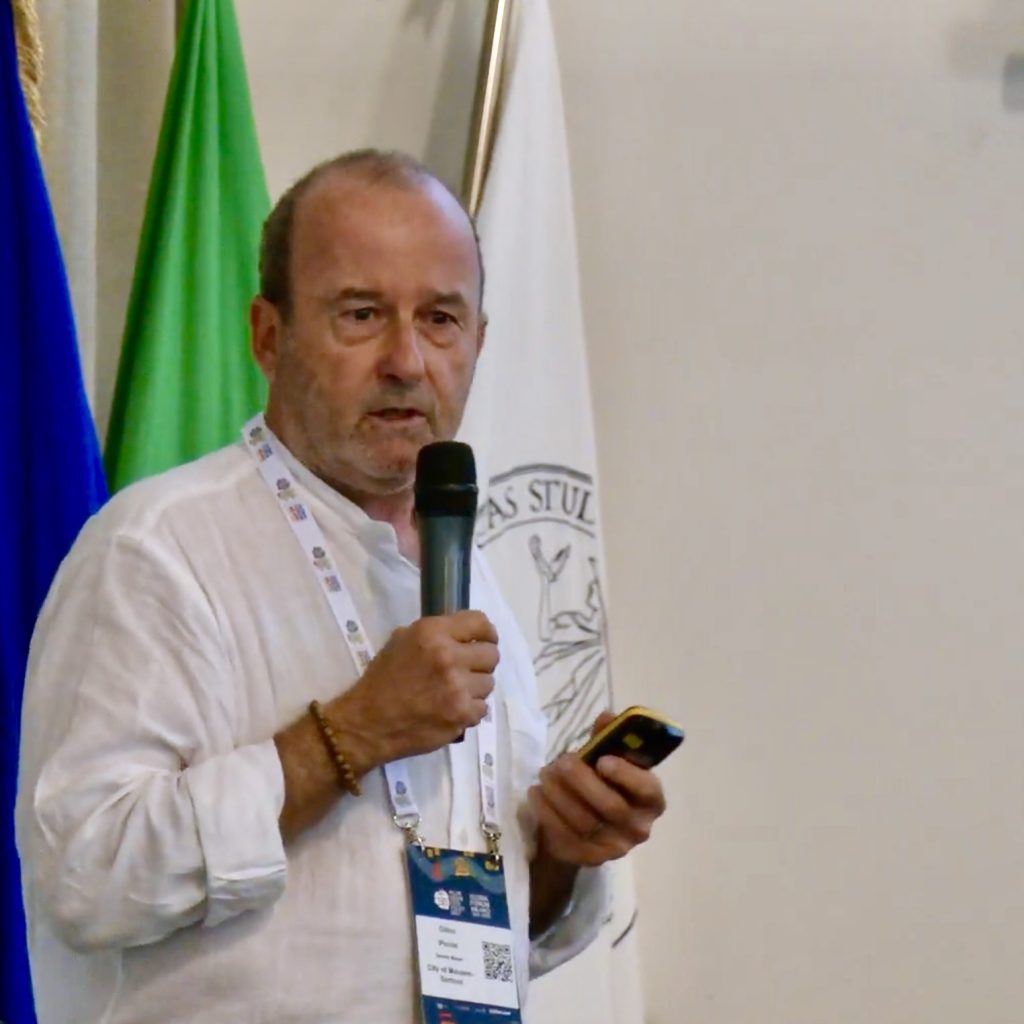
Gilles Perole, Deputy Mayor of Mouans-Sartoux for Childhood, Education, and Food, presented the city’s integrated approach to local food systems through school meal transformation and agricultural revitalization. Mouans-Sartoux has implemented fully organic school canteens serving 1,200 meals daily, including 50% vegetarian menus, combined with measures to reduce food waste, achieving both nutritional and environmental benefits at no extra cost. To strengthen local production, the city established a municipal agroecological farm that supplies 95% of the vegetables for school meals, using 40 vegetable varieties and peasant seeds. Over the past decade, the city has expanded its agricultural area and supported new organic farmers, fostering local autonomy and resilience. These initiatives have led to measurable impacts: 71% of residents have shifted to healthier and more sustainable eating habits, childhood obesity is significantly lower than the national average, and greenhouse gas emissions from food have decreased by 26%.
The Takeaway: Valuing the Local for Global Impact
The collective message was clear: agroecology is a flexible, powerful methodology that directly addresses food insecurity, climate vulnerability, and social inequality. Cities can succeed by coordinating diverse actors, leveraging public spaces, and integrating policies across health, environment, and economy. Successful initiatives—from Ouagadougou’s Green Belt to Mouans-Sartoux’s municipal farms—demonstrate that knowledge sharing, peer learning, and strong partnerships are key to creating inclusive, resilient, and sustainable urban food systems. By valuing local action, cities can generate an impact that resonates globally.
Special thanks to Hoang Le Giang, MUFPP Intern from the University of Milan, for writing this article.