Our journey to discover the cities awarded in the last edition of the Milan Pact Awards 2025 continues. After exploring the Special Mentions in the Governance, Sustainable Diets and Nutrition, and Social and Economic Equity categories, we now look to the initiatives awarded in Food Production, developed by the cities of Belo Horizonte (Brazil), Chone (Ecuador), Nantes Metropole (France), and Sukabumi (Indonesia).
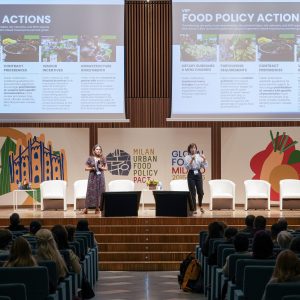
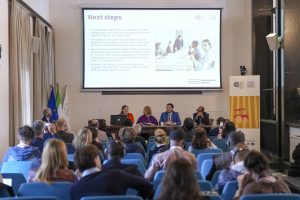
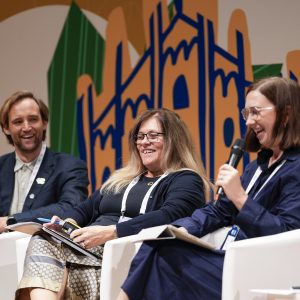
During the award ceremony, Daniel Moss, co-director at Agroecology Fund and member of the MPA evaluation committee, presented the award for this category and provided an overview of its key features, highlighting major trends and the types of actions implemented by cities.
This year, 68 practices were submitted in the Food Production category—21 more than in the previous edition—making it the most participated category of the MPA 2025 edition.
Overall, cities are strengthening their engagement with farmers through research, planning and training, while responding to market and climate challenges. In contexts where land pressure is high, innovative and soil-less production practices are emerging. Education and agroecology stand out as cross-cutting priorities across all initiatives worldwide.
BELO HORIZONTE: “PUBLIC BANK FOR NATIVE AND AGROECOLOGICAL SEEDS”
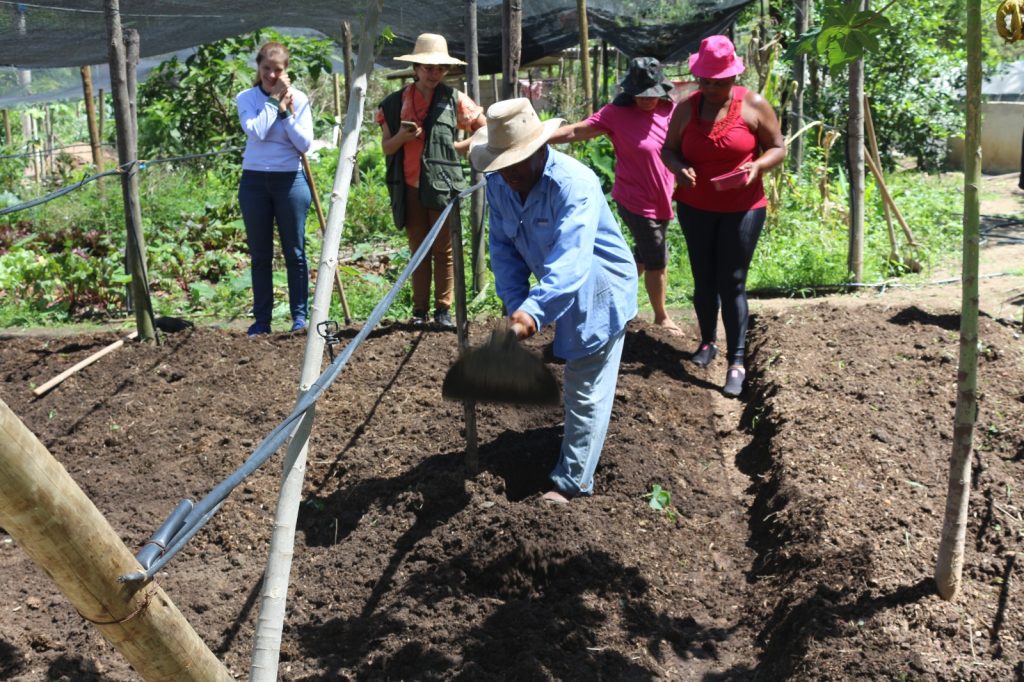
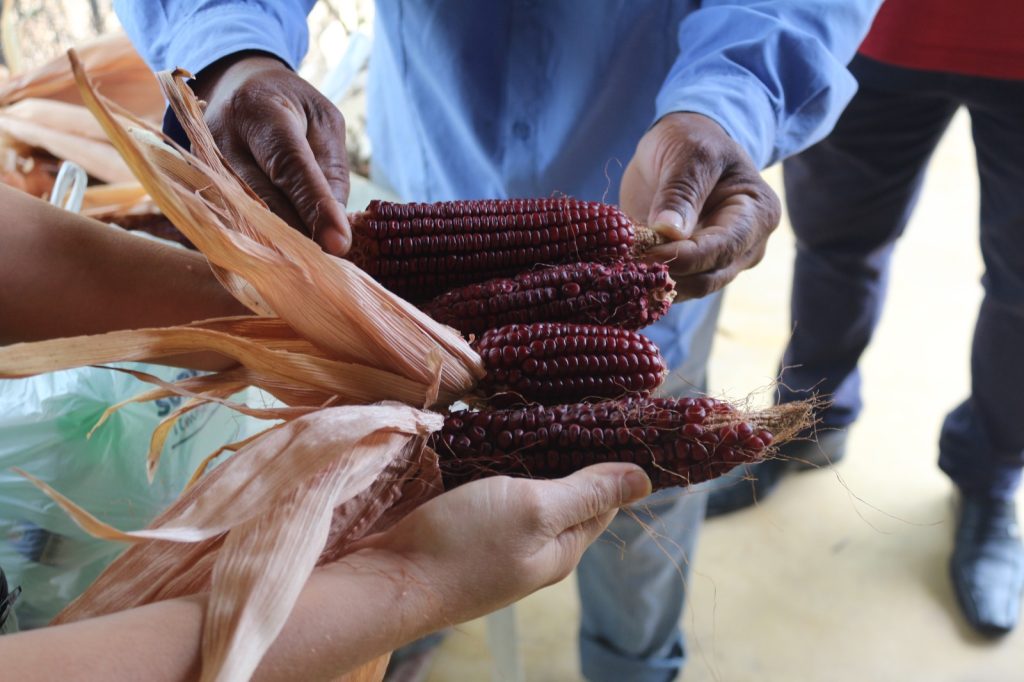
A pioneering initiative led by Belo Horizonte’s Food and Nutritional Security Secretariat (SMSAN) in partnership with the Foundation of Municipal and Zoo Botanical Parks (FPMZB) is transforming the future of food production in Brazil. Developed in response to the alarming loss of native crop varieties, the project Public Bank for Native and Agroecological Seeds aims to cultivate, conserve, and multiply traditional seeds to ensure food sovereignty and preserve agrobiodiversity.
At the heart of this effort is the recognition of the value of family farmers, who are responsible for nearly 70% of the food consumed in Brazil. The initiative trains “seed guardians,” community members dedicated to preserving and sharing native seeds, which are stored and carefully documented in the Botanical Garden, where their viability is continuously monitored.
Training sessions cover topics such as planting, processing, and seed-exchange techniques, fostering agroecological practices, and strengthening community resilience. Supported by universities, EMBRAPA, and civil society organizations, the initiative is expanding both its seed collection and its technical knowledge base.
By promoting native seed dissemination and farmer autonomy, the project reinforces local food systems and provides consumers access to more diverse and nutritious foods. Key achievements include the creation of a robust local seed bank, empowered seed guardians as knowledge multipliers, and the integration of both off-site and on-farm conservation methods—laying the groundwork for long-term sustainability.
Read the full practice from Belo Horizonte: Public Bank for Native and Agroecological Seeds
CHONE: “PRODUCTIVE REFORESTATION USING CACAO”
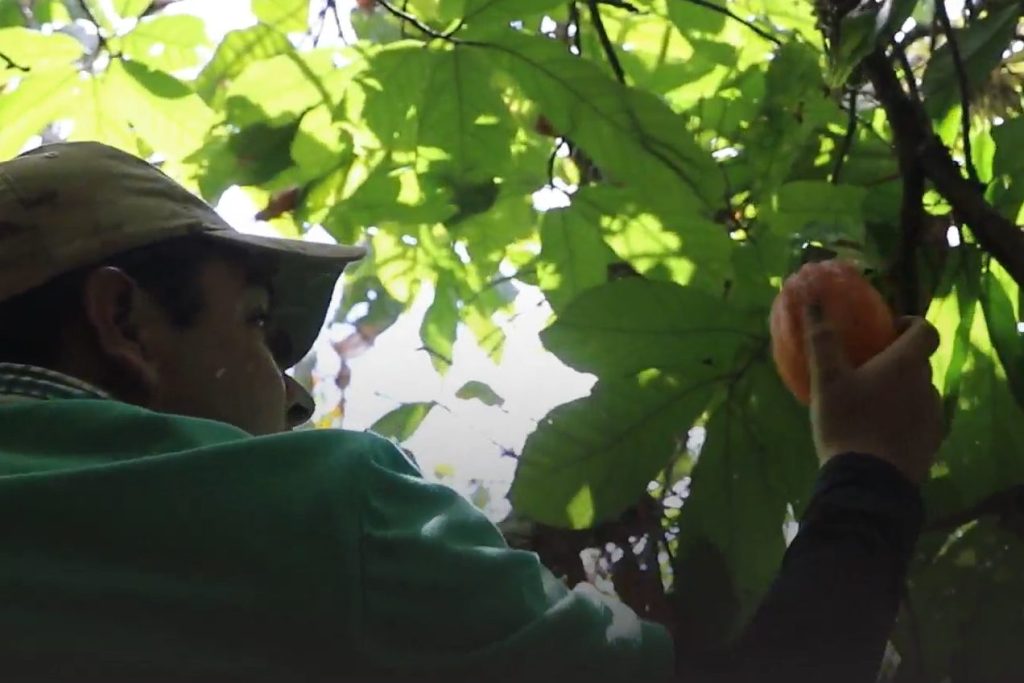
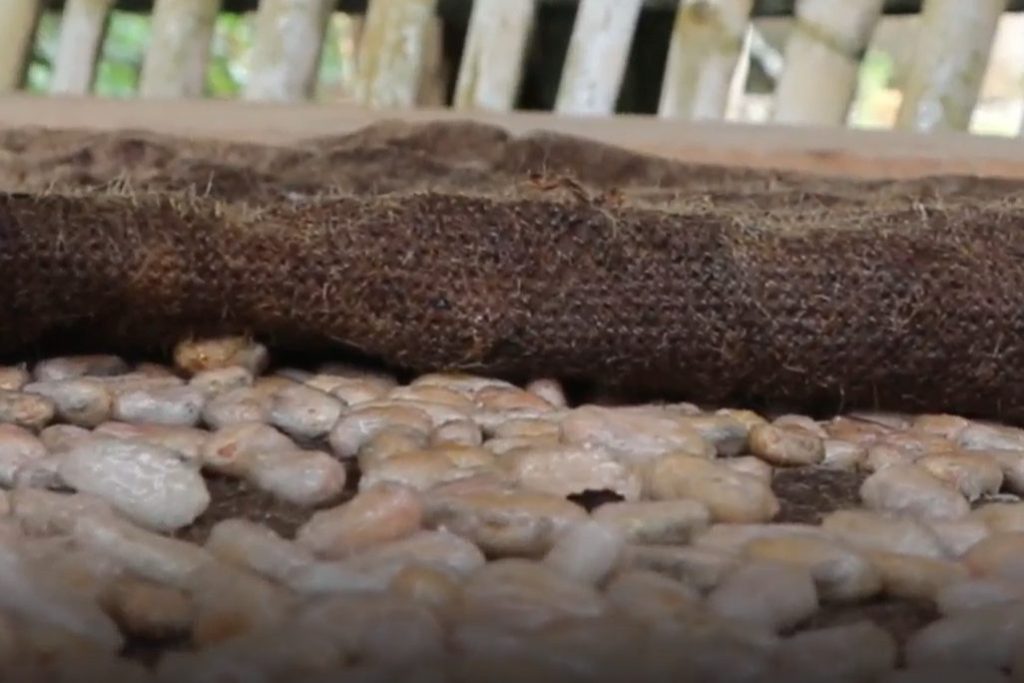
In the rural landscapes of Chone, Ecuador, a quiet transformation has taken root—one cacao seedling at a time. After years of deforestation and intensive livestock farming, many of the canton watersheds and riverbanks have become fragile, leaving communities exposed to floods and farmers with declining soils. Instead of treating these separate problems, Chone chose a single, powerful solution: rebuilding its cacao landscape through agroforestry.
The model is that of the agroforestry farm, where cacao cultivation is combined with native fruit and forest tree species, allowing for simultaneous improvement of the socioeconomic conditions of farming families and the resilience of the local agri-food system.
A technical team of extension agents and agroecologists (GAD Chone) now works directly with producers farming 17% of Chone’s agricultural land, guiding them toward integrated management of cacao farms. Their nursery, the heart of this effort, cultivates fine-flavored national cacao plants grown from locally adapted, disease-resistant trees. Once farmers complete the training process, they receive these high-quality plants for free—an investment in both productivity and long-term resilience.
The ambition is bold: to benefit 5,000 producers and reforest 5,000 hectares. And momentum is real: in just three years 2,000 farmers, almost half the target, have joined the program across 216 communities. Together, they’ve already restored 800 hectares of cacao farms and reforested 1,120 hectares, proving that ecological recovery and stronger livelihoods can grow side by side.
Read the full practice of Chone: Productive Reforestation using cacao
NANTES METROPOLE: “METROPOLITAN AGRICULTURAL LAND STRATEGY”
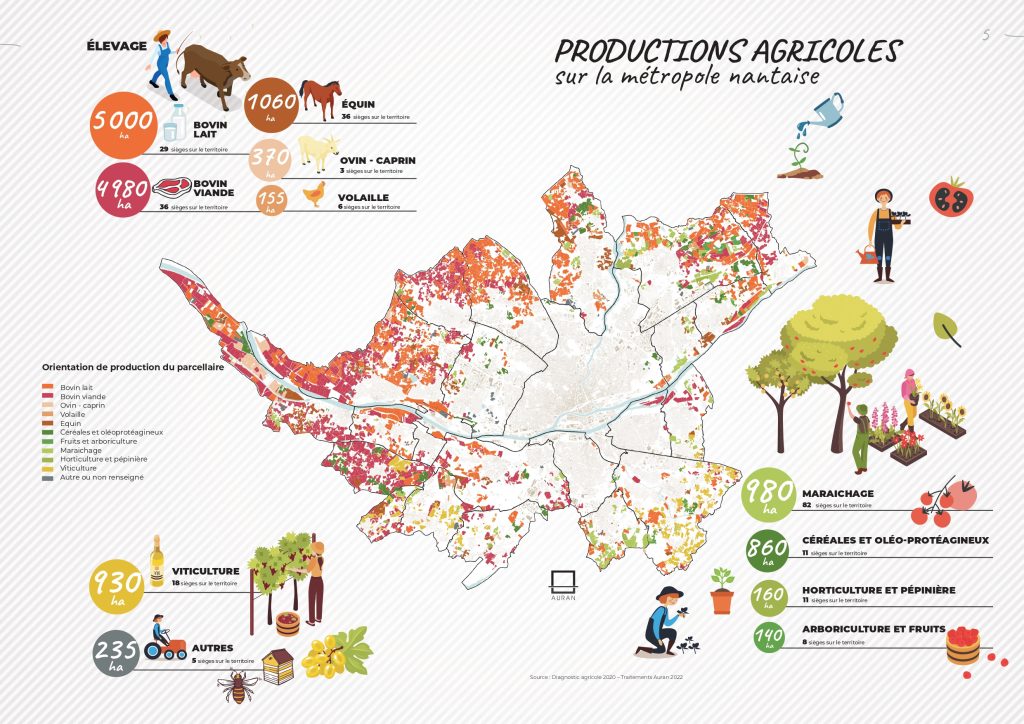
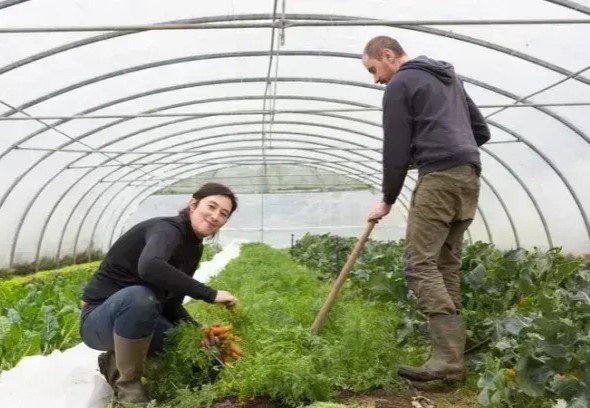
Across many European cities, farmland on the urban fringe is disappearing fast, and unfortunately the Metropolitan Authority of Nantes was no exception. Peri-urban land is increasingly coveted for housing, leisure amenities, and non-agricultural economic activities. Yet this expansion clashes directly with a crucial need: safeguarding enough farmland to maintain regional food sovereignty and keep food production close to home.
In response, the Metropolitan Authority of Nantes approved a comprehensive Agricultural Land Strategy in October 2023, marking a decisive shift in how farmland is protected and managed. The strategy focuses on three priorities: preserving and strengthening existing food-producing areas, ensuring a new generation of farmers can access land, and supporting the transition toward organic farming practices.
To turn these goals into action, the plan mobilizes several powerful tools—targeted land acquisitions (including farm housing), the reclamation of abandoned plots, and the reinforcement of protection measures in priority zones.
These efforts are already reshaping the landscape. Two farms and two agricultural dwellings are currently being acquired; abandoned hectares have been brought back into use, and 4,370 hectares of agricultural and natural land have gained permanent protection under the PEAN designation (Périmètre de Protection des Espaces Agricoles et Naturelles – Agricultural and Natural Area Protection Zone). Together, these steps draw a clear line: farmland is not a reserve for future development but a vital, long-term asset for the region’s resilience.
Read the full practices of Nantes Métropole: Metropolitan Agricoltural Land Strategy
SUKABUMI: “ONE ROOF (ONE REGION, ONE OFF TAKER)”
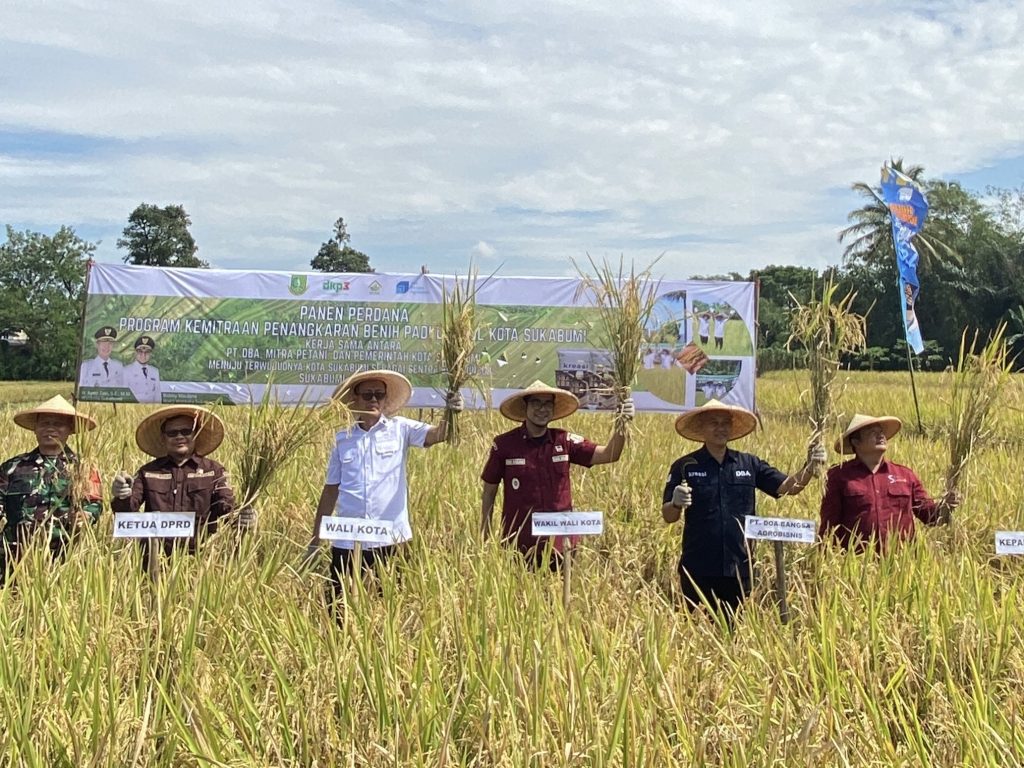
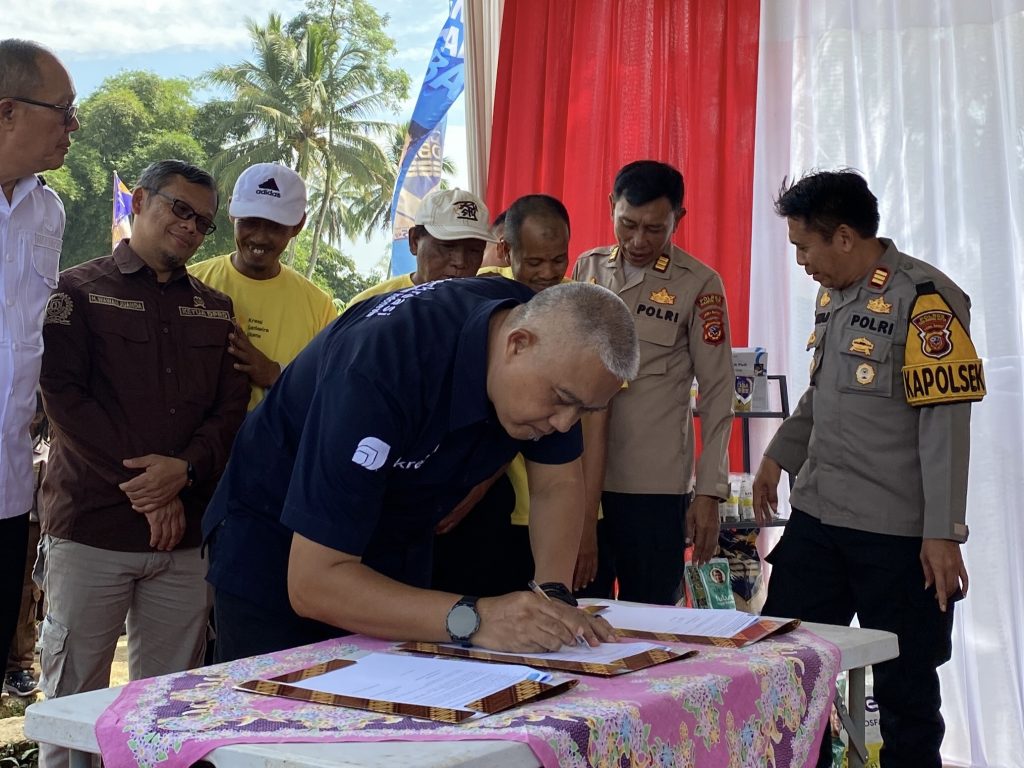
In Sukabumi, a city where farmland is shrinking under rapid urban expansion, the “One Roof (One Region One Off Taker)” program is reshaping how farmers access markets—and how agriculture survives in an urbanizing landscape. For years, smallholders relied on middlemen who controlled grain prices, leaving farmers with little bargaining power and unstable incomes. One Roof was created to break that cycle.
Led by the Food, Agriculture, and Fisheries Agency, the program builds a municipally supported system that guarantees the purchase of farmers’ produce through farmer cooperatives. The main goals are to increase farmers’ income, promote fair trade, and strengthen local food systems.
Instead of selling to intermediaries, farmers gain direct access to guaranteed markets such as school feeding programs, rice seed production partnerships, social assistance schemes, and broader institutional buyers. Alongside this, the city strengthens farmer organizations, improves post-harvest systems, connects producers to finance, and aligns food policy with land-use planning—turning market access into a coordinated public strategy rather than a private struggle.
The impact reaches beyond income. As farming becomes more economically viable, landowners are more motivated to keep and use their fields, directly reinforcing Sukabumi’s efforts to expand and protect Sustainable Food Cropland (LP2B). By linking fair pricing, cooperative economics, and land protection, Sukabumi offers one of Indonesia’s first city-level models where food system reform actively supports agricultural resilience.
It demonstrates how a municipality can move from being a passive regulator to a proactive enabler—ensuring farmers remain central to the city’s future, not casualties of its growth.
Read the full Sukabumi practice: One Roof (One Region, One Off taker)
Special thanks to Rayen Victoria Ferreira Molina, MUFPP Intern, for writing this article.