After taking a closer look at the Milan Pact Awards 2025 winning practices described in the first article of our series, we now began our journey through the practices that received Special Mentions in each of the 6 categories of the MUFPP Framework for Action, starting with the Governance Category.
This year, the Special Mentions for Governance were awarded to the cities of Copenhagen, Grenoble Alpes Métropole, Jangseong, and Kisumu, each showcasing innovative, impactful and inclusive approaches to strengthening food governance.
COPENHAGEN: “IMPLEMENTING FOOD POLICIES”
Copenhagen’s food revolution
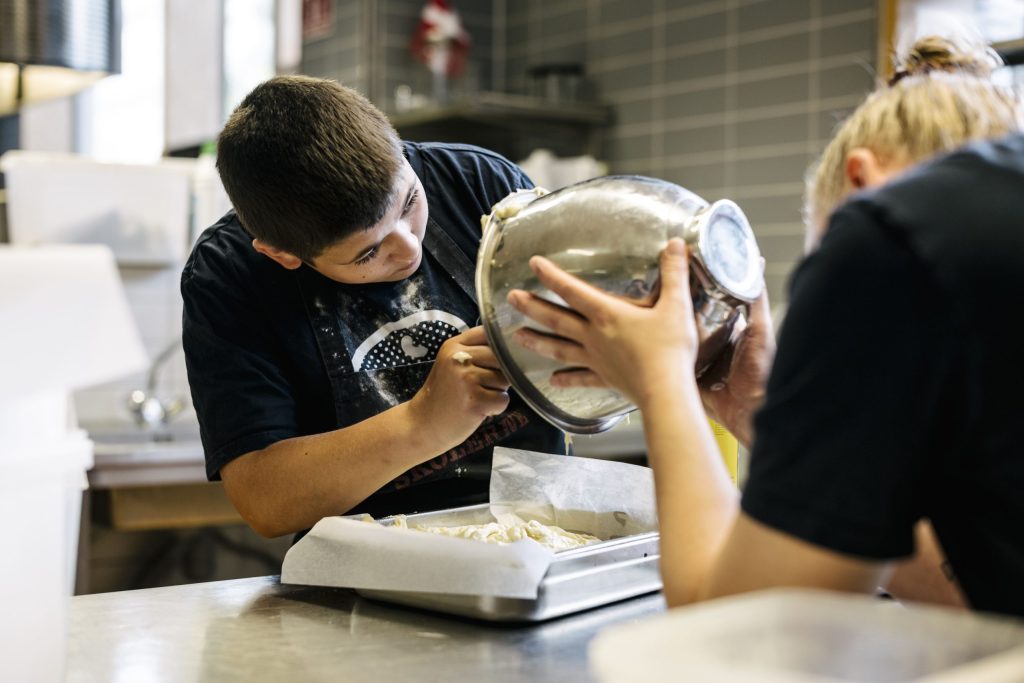

Copenhagen’s Food Strategy (MMS) stands as a remarkable example of how cities can address key challenges – including food education, social inclusion, climate change, CO₂ reduction – through a holistic and integrated approach.
The strategy marked the transition from fragmented initiatives to a fully integrated, cross-departmental approach, that has been key to Copenhagen’s success, characterized by a structured governance model, consisting of a steering committee, a coordination group, and thematic working groups.
The city’s public food system was a major driver of change: over 1,000 public kitchens serving 115,000 meals every day act as strategic levers for health, education, inclusion, and climate action. These efforts supported the city’s ambitious targets of achieving 90% organic food and a 25% CO₂ reduction by 2025.
Copenhagen’s actions are both innovative and creative. They include the upskilling of kitchen staff via an online cookbook featuring over 900 climate-friendly, age-specific, and nutritionally balanced recipes, dedicated training courses to ensure shared standards, and the development of a Kitchen App – created within the EU Horizon 2020 project Food Trails – to streamline communication between the municipality and public kitchens.
The city also promotes food literacy by involving children directly in preparing and serving meals in purpose-built kitchens, making food an integral part of their learning experience. Beyond schools, Copenhagen has hosted large-scale public Food Festivals to connect citizens with the meals served daily across public institutions.
Read the full practice of Copenhagen: Implementing Food Policies
GRENOBLE: “INTER-TERRITORIAL FOOD PROJECT (PAiT)”
United by food: Grenoble’s Inter-Territorial Strategy for a greener future
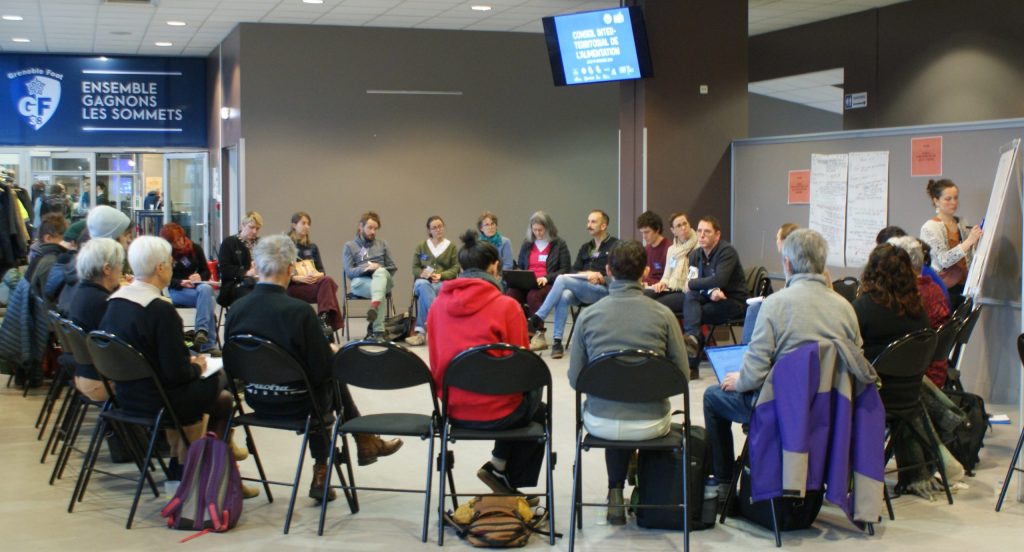
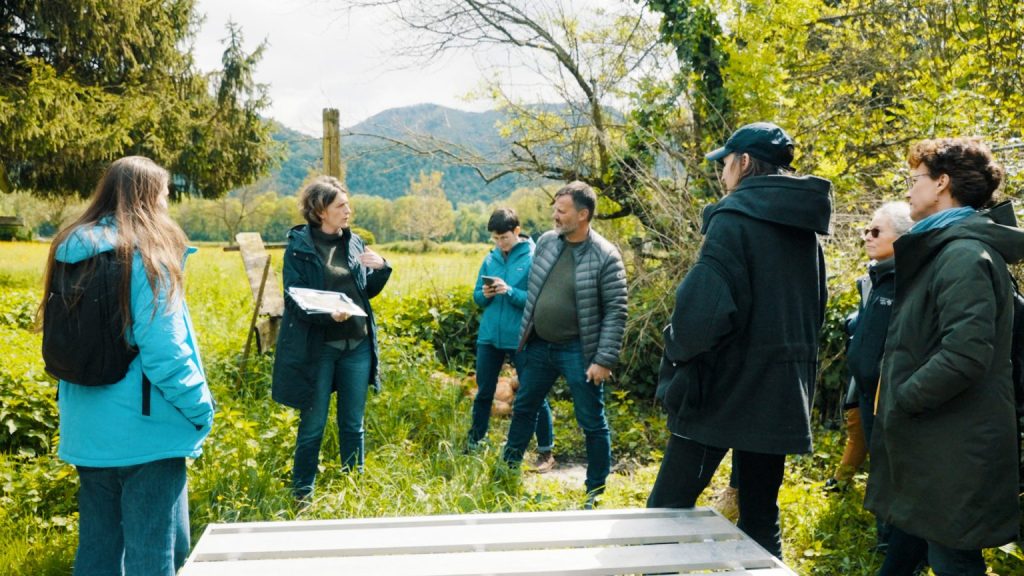
In 2015, ten inter-municipal authorities of the Greater Grenoble Area (580,000 hectares, 810,000 inhabitants) launched a cooperation project covering the entire agricultural and food system, creating the Inter-Territorial Food Project (PAiT), with Grenoble Alpes Métropole leading the initiative.
Originally designed for the 2020–2024 period, as part of the Eu Horizon funded project Food Trails, the PAiT enabled the development of a shared strategic vision for 2050, a shared governance model, and led to the creation of an action plan including a series of concrete collective actions (e.g. The Month of Food Transition) and formalised political commitment.
The shared vision outlines several guidelines such as promoting high-quality, low-input, healthy, safe and sustainable food for all; increasing the region’s self-sufficiency; preserving agricultural land and maintaining mountains livestock farming, developing agricultural practices to meet ecological and health challenges, strengthening the autonomy and resilience of farms.
This project, allowing greater consistency between the actions carried out by these neighbouring territories, is now continuing through a second action plan for the period 2025-2029.
Read the full practice of Grenoble Alpes Métropole: Inter-Territorial Food Project (PAiT)
JANGSEONG: “THE AULOLA PROJECT (FROM TODAY, LOCAL FOOD LIFE)“
Jangseong’s people are connected to the food they eat. How? The County’s plan says it all!
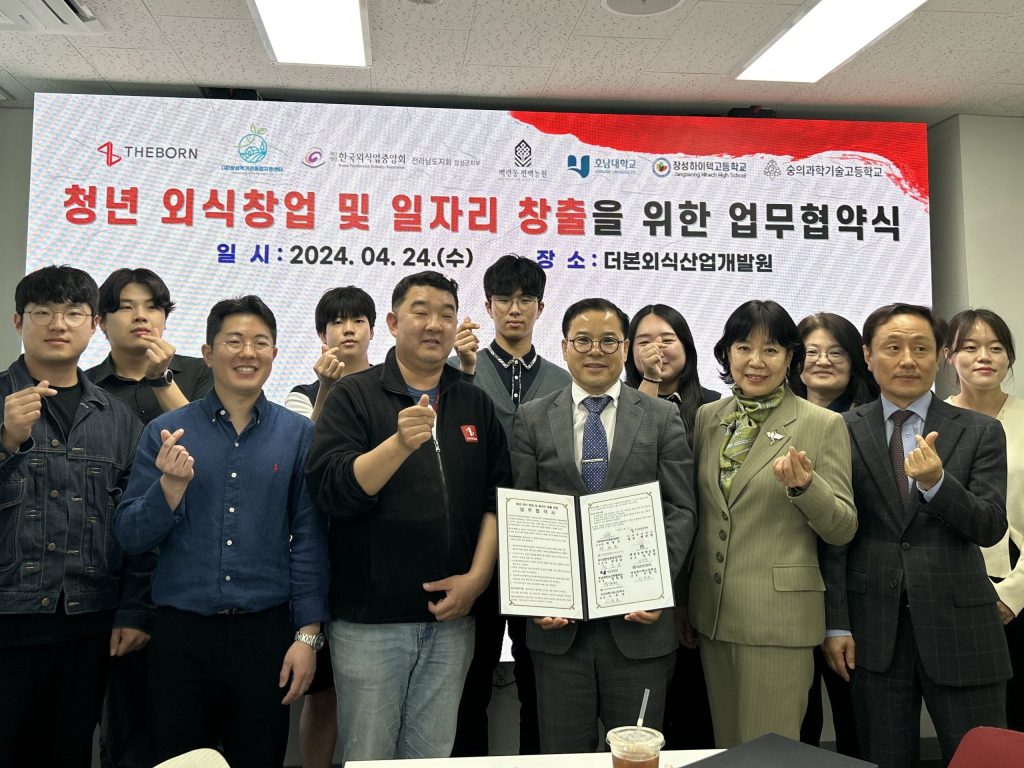
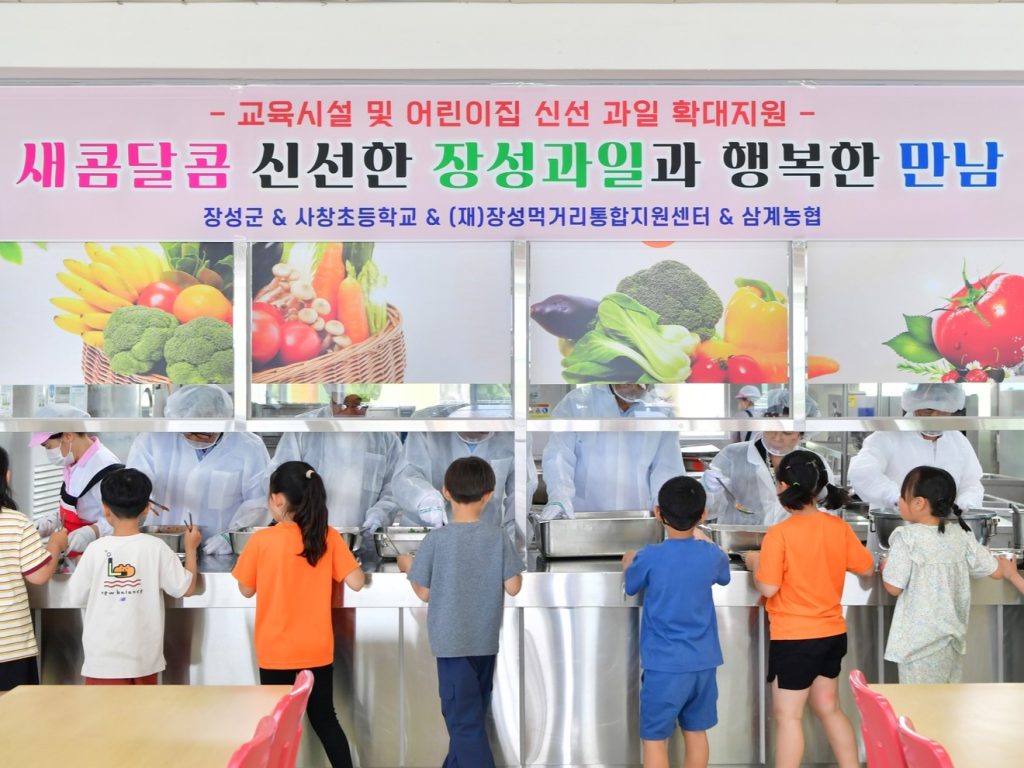
Faced with declining and aging farming populations, reduced agricultural income, and the growing impacts of climate change, Jangseong County adopted an innovative approach, placing human capital, equity, and community participation at the center of its food strategy.
In 2020, the County developed a comprehensive Local Food Plan aimed at building a sustainable circular economy, rooted in stronger producer-consumer relationships.
It also established the Jangseong Local Food Integrated Support Centre, designed to stabilize the supply chain and ensure the provision of healthy local food to public institutions and vulnerable groups.
The Jangseong County also formed a Local Food Committee composed of members from the government, producers, consumers, schools and experts, to ensure participatory governance for food access.
Through this coordinated model, Jangseong supplies 40 schools, reaching 4,000 students each, as well as 3,400 vulnerable individuals and 20,000 soldiers with fresh local food. The project also strengthened producer–consumer ties through food education programs such as farm tours and cooking classes for children.
Overall, the initiative has generated 585 farm jobs (with a special focus on women and elderly farmers) and 40 jobs for vulnerable groups, demonstrating the transformative impact of a unified, community-centered local food system.
Read the full practice from Jangseong: The AULOLA Project (From Today, Local Food Life)
KISUMU: “ENHANCE STAKEHOLDER PARTICIPATION”
Strengthening coordination through inclusive food governance
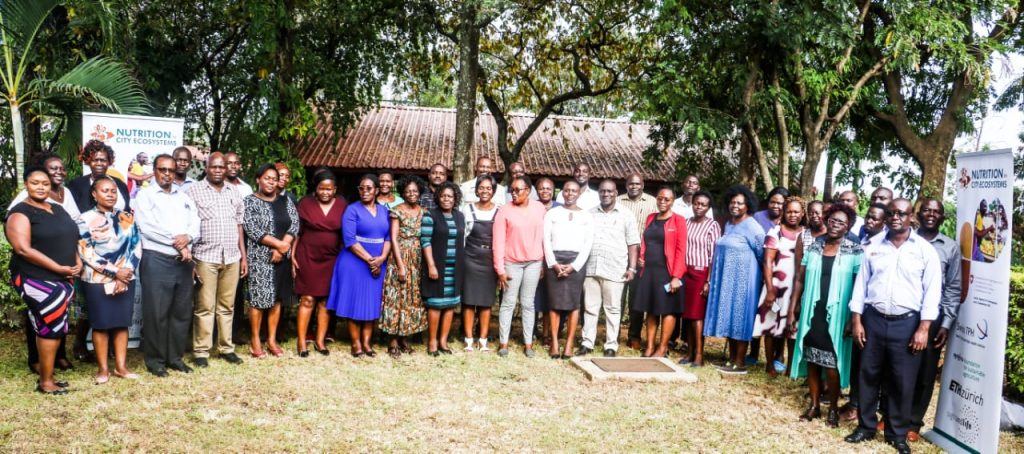
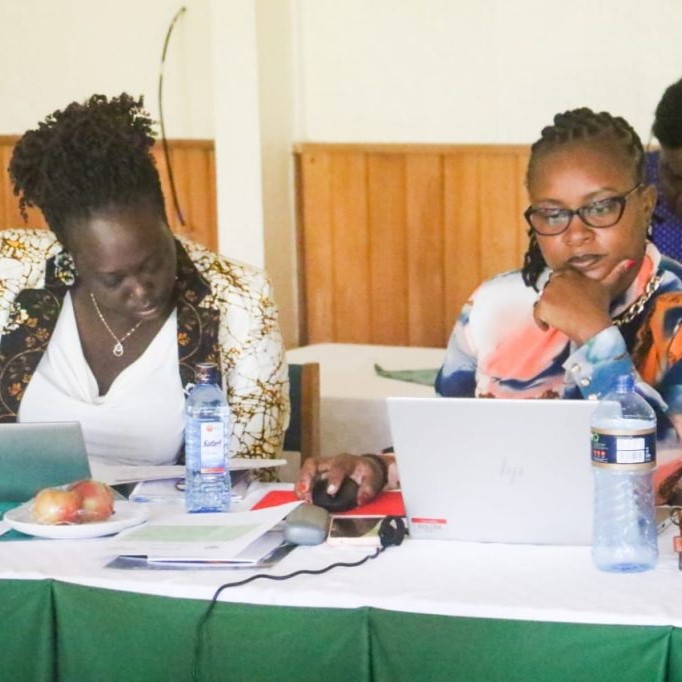
Kisumu’s response to challenges such as weak coordination and fragmented efforts among food-system stakeholders and limited coherence across existing policies was the establishment of the Food Liaison Advisory Council of Kisumu (FLACK).
FLACK serves as a platform for collaboration, transparency, and inclusive participation, bringing together a range of diverse stakeholders, including farmers, traders, civil society organizations, youth, women, researchers, and private sector actors. Its activities range from community consultations to capacity building, from partnerships with local organizations, to digital platforms for real-time feedback and information sharing.
As one of the first formalized platforms dedicated to coordinating urban food systems in Kenya and East Africa, FLACK stands out as a pioneering governance tool, already generating significant social, environmental, and economic impacts across Kisumu’s food system.
It also operates as a data-driven mechanism, generating and using local food-system data to inform policy-making, planning, and implementation—an important milestone in a context where many urban food policies in Kenya lack local evidence.
This action resulted in a 15% average income increase and a 10% reduction in post-harvest losses over two years. By boosting local production and market access, the initiative has reduced reliance on food imports, improved urban food security, and created jobs across the value chain.
Read the full practice of Kisumu: Enhance stakeholder participation.
Special thanks to Laura Marino, MUFPP Intern, for writing this article.