Urban food systems significantly contribute to climate change through greenhouse gas emissions, resource consumption, and broader environmental impacts. At the same time, cities are increasingly vulnerable to climate-related disruptions, from extreme weather events to water scarcity and biodiversity loss, all of which threaten food security and public health.
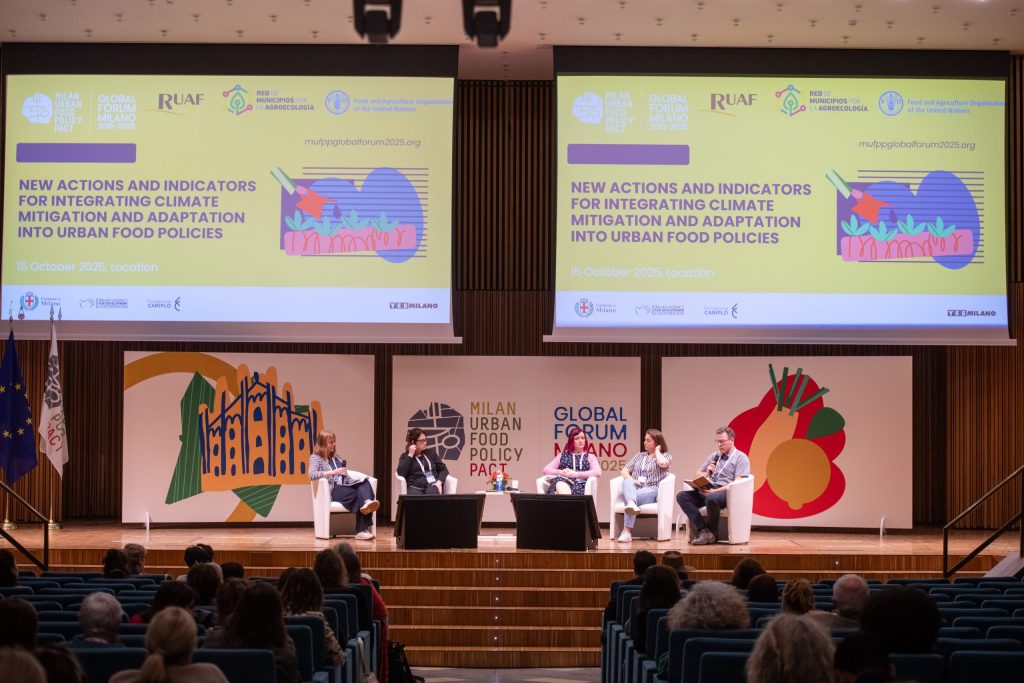
As part of the MUFPP Global Forum 2025, the session New actions and indicators for integrating climate mitigation and adaptation into urban food policies (Milan, October 15, 2025), promoted by RUAF, FAO and RMAe – Red de Municipios por la Agroecología, highlighted the urgent need for cities to act on the climate-food nexus.
In this context, the session presented a new tool — an annex to the existing MUFPP Monitoring Framework — specifically dedicated to climate adaptation and mitigation.
The power of data for progressing urban food policies
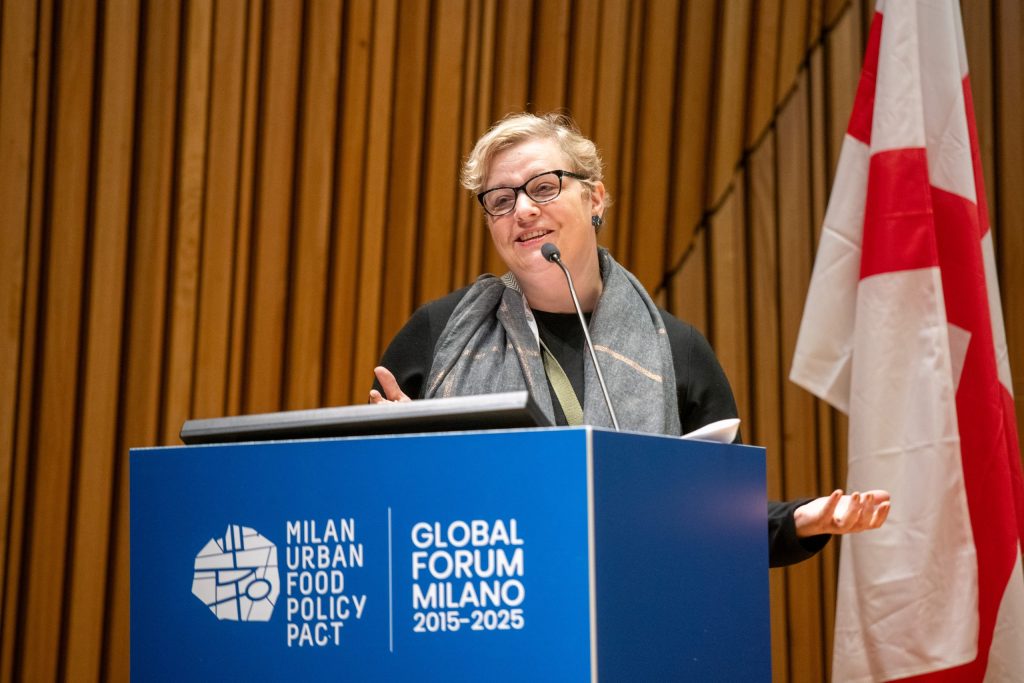
Guido Santini from FAO who opened the session emphasized the vital role of data and indicators: they not only provide an evidence base that supports effective policy design, but also help mobilize internal and external resources, enabling cities to share lessons learned and best practices.
He then introduced the MUFPP Monitoring Framework, co-designed with cities and for cities by MUFPP, FAO and RUAF between 2016-2020. The framework includes 44 indicators to measure progress and guidelines for use.
Cécile Michel from the MUFPP Secretariat introduced the journey behind the creation of a new voluntary and advanced tool designed to integrate climate considerations into urban food policies. The process started at the MUFPP Global Forum in Barcelona 2021 and drew on recommendations emerging from the Barcelona Challenge for Good Food and Climate, further refined through extensive stakeholder engagement. The resource is now available on the MUFPP website.
Climate action from the ground up
Mariá Carrascosa García introduced RMAe, the Red de Municipios por la Agroecología, a network of 38 Spanish municipalities, which was instrumental in integrating a climate action perspective into the MUFPP Framework.
Together with a group of 15 organisations, they designed a process that resulted in 24 cities from 12 different countries committing to developing action plans to link climate actions with food policies, each selecting one action among the 28 proposed in the Barcelona Food Challenge.
The next challenge was how to take this experience to the upper level. RMAe and its partners proposed that the Milan Pact would evolve to incorporate the actions proposed in the Barcelona Challenge. In a process led by RUAF, the team worked to ensure that cities’ voices were reflected in drafting the new resource, and subsequently three cities — Barcelona, Rivas and Granollers — tested and assessed its outcomes.
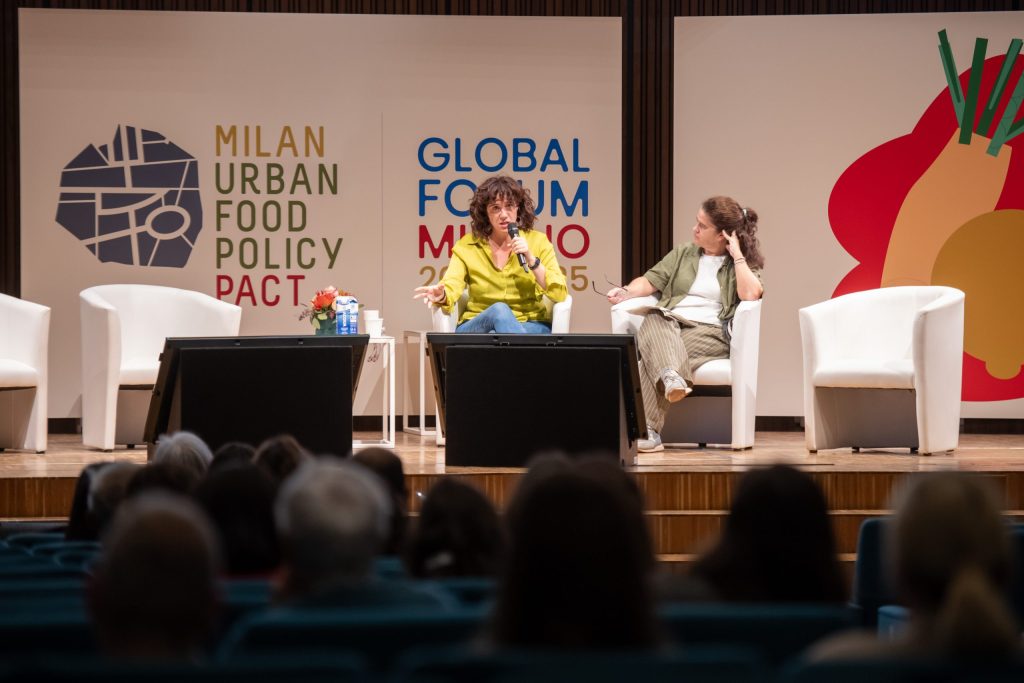
Mariá Tarafa from the City of Barcelona, shared the experience in piloting this new tool. Barcelona has developed a climate-focused food policy, starting from the fact that it is a very dense city with low food self-sufficiency. Since signing the MUFPP in 2015, the city has created a Food Policy Unit (2020), hosted the MUFPP Global Forum 2021, and worked with many local actors to build its Healthy and Sustainable Food Strategy 2030.
Some of the main steps taken include updating its food-system analysis with a climate perspective, adapting RUAF recommendations, and applying six MUFPP actions and indicators to the local context. Governance plays a key role, supported by dedicated structures, participatory bodies, international networks, and links to the Climate Plan and Zero Waste Plan. Barcelona’s priorities focus on promoting sustainable diets, improving fair access to food, strengthening local production and short supply chains, and reducing food waste.
Urban Solutions for climate adaptation and mitigation
The session moved then into a discussion. Three cities were invited to share examples of climate adaptation and mitigation in practice.
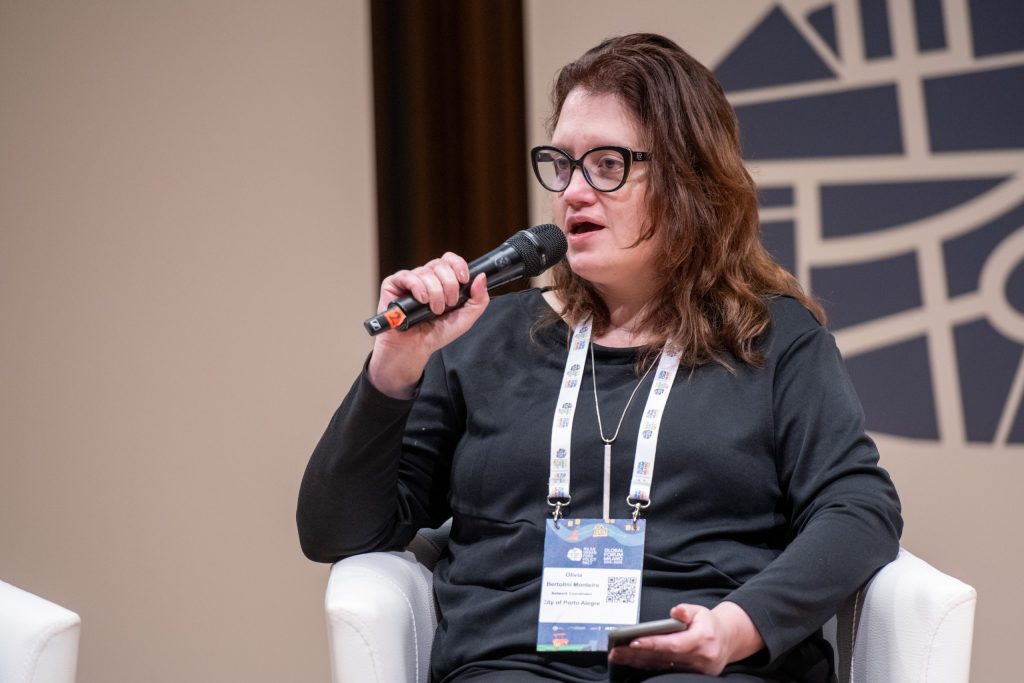
Porto Alegre (Brazil) shared its Nature works with nature strategy for climate adaptation to flooding. The city introduced agroecology and agroforestry techniques in urban areas, using fallen trees as soil cover to create resilient gardens and support soil rapid recovery from natural disasters.
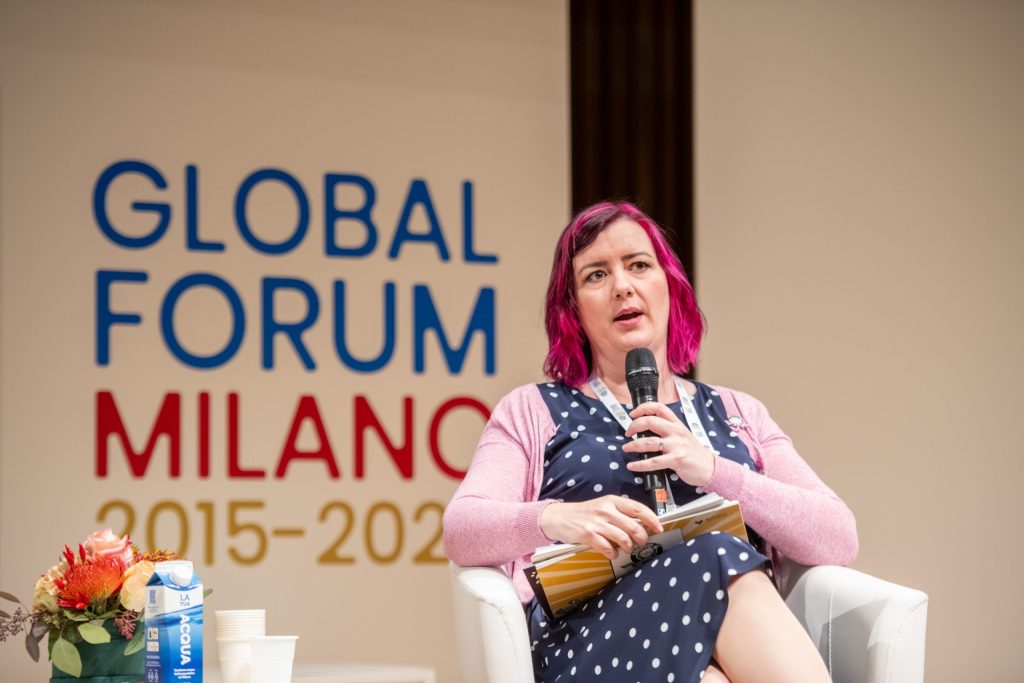
Birmingham (UK) presented its approach to coordinating different efforts. The city’s initial goal was to transform diets, which later expanded into creating an integrated, mutually beneficial and prosperous food system so everyone can thrive, while regenerating the planet (including climate, biodiversity, soil, natural resources, clean air and water).
To coordinate these efforts, the city found it essential to adopt an international framework, such as the MUFPP, which ensures that different departments or actors can align around the same metrics and indicators.
The city of Ghent (Belgium) takes an indirect approach to achieving its climate goals too, choosing to focus on keeping food delicious while leveraging school meals to increase sustainability. Through public food procurement strategies, the city is reducing palm oil, increasing the use of organic and local food, supporting shorter supply chains, and prioritizing seasonal ingredients; actions that directly contribute to reducing food-related GHG emissions. A major focus is protein transition. Regarding indicators, Ghent is part of the Cool Food Pledge, committing to reduce its food-related greenhouse gas emissions by 25% by 2030.

Beyond mitigation – The transformative goal
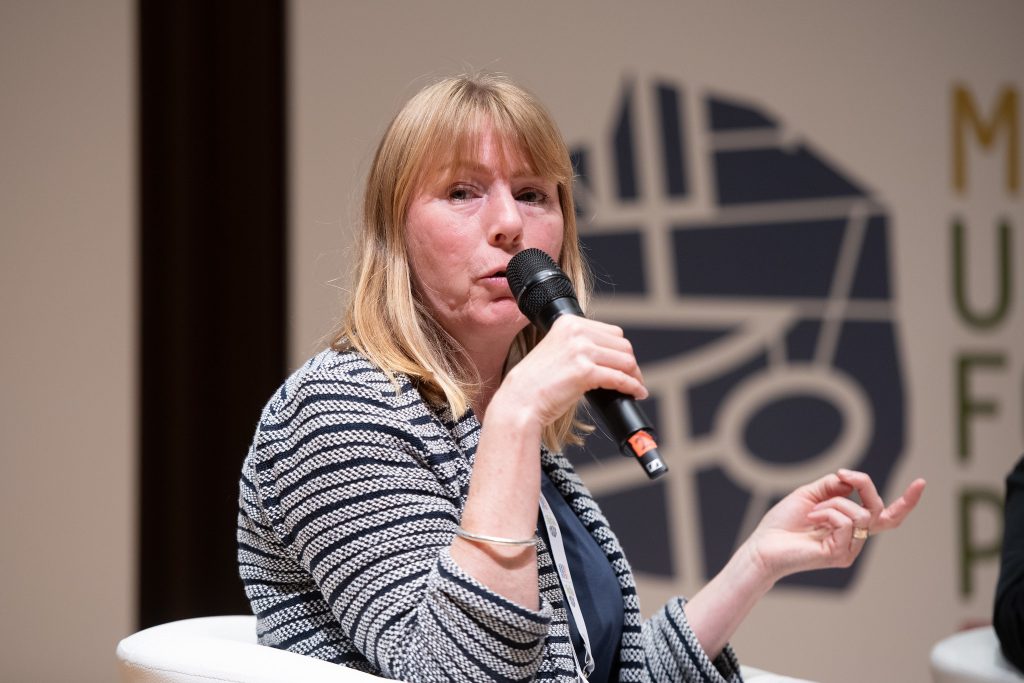
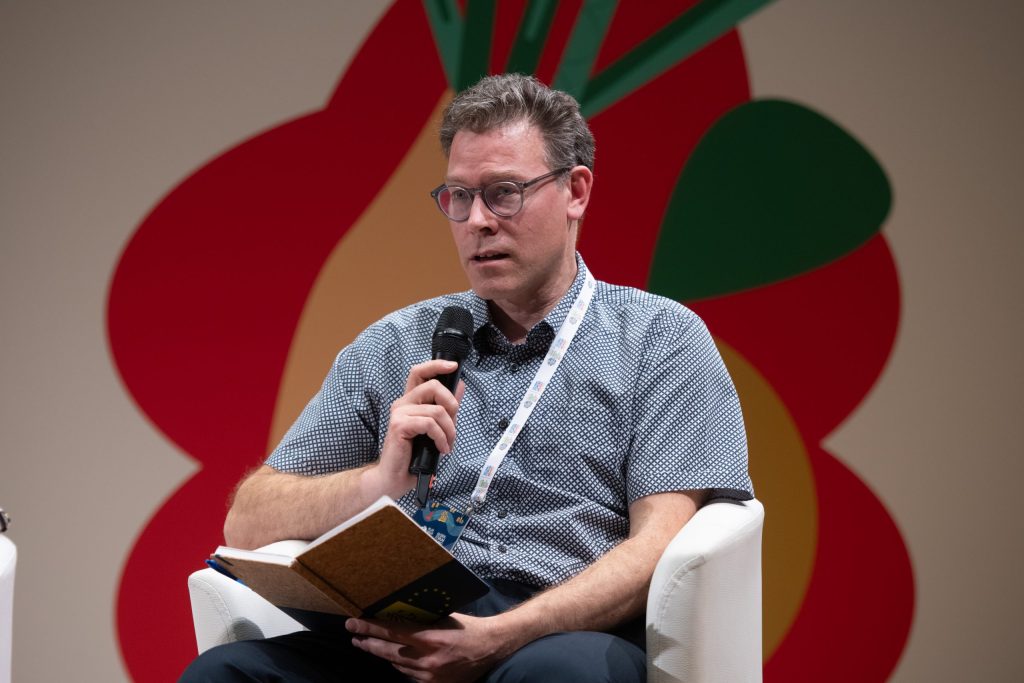
Thom Achterbosch from WUR – Wageningen University and Research provided an academic point of view on the topic, drawing from his experience as part of the Food Trails project, where 11 European cities worked to implement food policies actions. In this context, it was clear that to achieve climate adaptation and mitigation goals, efforts must go beyond climate-specific actions and instead generate transformative change; a systemic approach to governance, finance, equity, and social behavior is needed.
Indicators must be seen not only as tools for collecting evidence and ensuring accountability of food policy actions, but also as part of a strategic learning agenda (in Food Trails, the Theory of Change tool was adapted and used in this sense). Another important insight is that we cannot rely solely on quantitative indicators: combining quantitative data with qualitative insights is essential for systemic change.
To conclude, the climate lens is a critical entry point for engaging with a city’s broader urban agenda and dynamics.
Monitoring is challenging, as is working across city agendas. Key challenges for a consistent monitoring of food policy actions include securing strong political commitment, ensuring effective organizational coordination, and providing sufficient human and financial resources for multidisciplinary teams.
How can cities be supported in this effort? City-to -city exchange and sharing of experiences can help fine-tune practical approaches. It is also helpful to build on existing monitoring frameworks to develop a coherent, coordinated system that overcomes fragmentation. Collaborating with local universities can further strengthen these efforts.
The new and adapted MUFPP Framework for Action and Monitoring Framework, designed to better integrate climate mitigation and adaptation into urban food policies, was formally endorsed on World Food Day, during the MUFPP Global Forum 2025 Closing Ceremony. It also forms part of the Final Declaration of the Forum, which was adopted by consensus on that occasion.
Special thanks to Lê Giang Hoàng, Mufpp Intern from the University of Milan, for writing this article.